


Understanding Hydraulic Hose Protective Sleeves: Essential Tools for Safety and Durability
Release Time:
Jan 24,2026
Hydraulic hoses are vital components in various industries, particularly in pneumatic applications where they transport fluids under high pressure. However, these hoses are susceptible to damage from abrasion, exposure to harsh chemicals, and environmental factors. This is where hydraulic hose protective sleeves come into play. Designed to shield hydraulic hoses from potential harm, these sleeves
One of the primary functions of hydraulic hose protective sleeves is to provide a barrier against mechanical wear and tear. The constant movement and flexing of hoses can lead to surface abrasion, which can compromise their performance and lead to leaks or failures. By using protective sleeves, you can significantly reduce the risk of this type of damage, ensuring that your hydraulic systems operate smoothly and efficiently.
In addition to mechanical protection, these sleeves also offer resistance to a variety of environmental hazards. For instance, many hydraulic hose protective sleeves are made from materials that are resistant to chemicals, UV light, and extreme temperatures. This resistance is particularly important in applications where hoses are exposed to harsh conditions, allowing them to retain their structural integrity and functionality over time.
Another advantage of hydraulic hose protective sleeves is their role in improving safety. Damaged hoses can lead to hazardous leaks, which pose risks not only to equipment but also to personnel working in the vicinity. By incorporating protective sleeves, you create a safer working environment by minimizing the likelihood of hose failures and the potential for accidents.
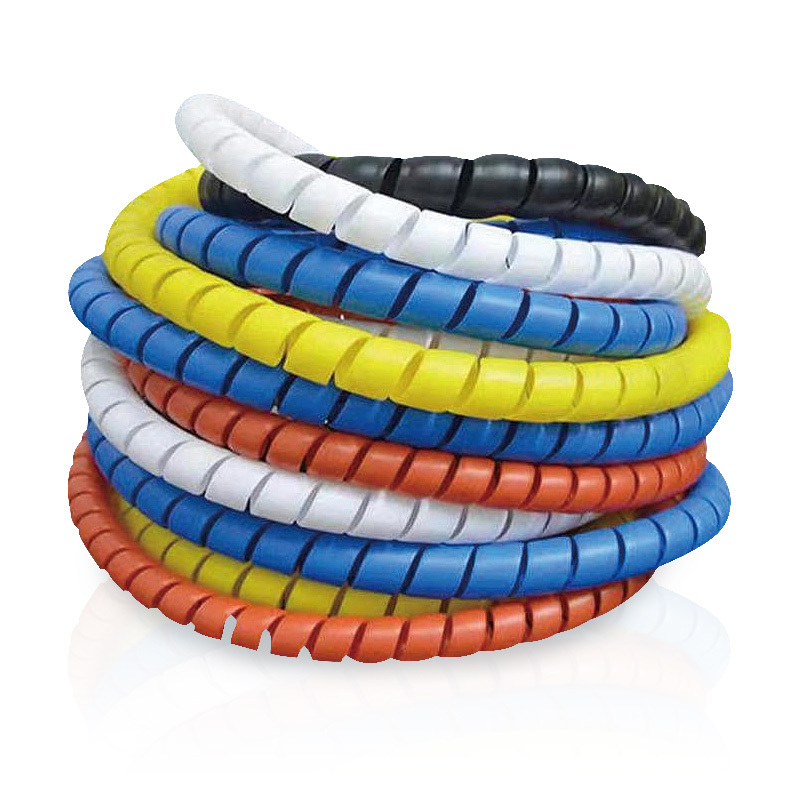
Moreover, hydraulic hose protective sleeves can also aid in organization and maintenance. Many sleeves come in various colors and designs, allowing for easy identification of different hoses in a complex system. This can streamline maintenance procedures and ensure that technicians can quickly locate and address any issues that arise.
When selecting hydraulic hose protective sleeves, it's essential to consider the specific requirements of your application. Factors such as the size of the hose, the operating environment, and the types of fluids being transported will influence the choice of materials and designs. It's crucial to select high-quality sleeves that meet industry standards to ensure maximum protection and performance.
In conclusion, hydraulic hose protective sleeves are an indispensable asset in the realm of pneumatic applications. They not only extend the lifespan of hoses by shielding them from damage but also enhance safety and efficiency in operations. By understanding the significance of these protective devices, professionals can make informed decisions that benefit both their equipment and their workforce.
Keywords:
You Can Also Learn More About Industry Trends


Specializing In The Research And Development And Sales Of Hydraulic Products


Contact Us
Phone/Whatsapp
+8613933722213 / +8613933744887
Address
No. 158, Xiaotun Automobile and Motorcycle Industrial Zone, Qinghe County, Hebei Province