


Understanding Jaw Couplings: Essential Components for Industrial Equipment
Release Time:
Jan 31,2026
Jaw couplings are a type of flexible coupling widely used in various industrial applications, particularly in machinery that involves rotational motion. They are designed to connect two shafts, allowing for a degree of misalignment while transmitting torque between the connected components. This makes them an essential part of many industrial systems, including conveyors, pumps, and motors. One of
One of the primary advantages of jaw couplings is their ability to accommodate misalignment. In mechanical systems, perfect alignment of shafts is often impractical due to various factors such as thermal expansion, installation errors, or wear over time. Jaw couplings are engineered with a flexible element that enables them to absorb some degree of misalignment, thereby reducing stress on components and extending the lifespan of the equipment.
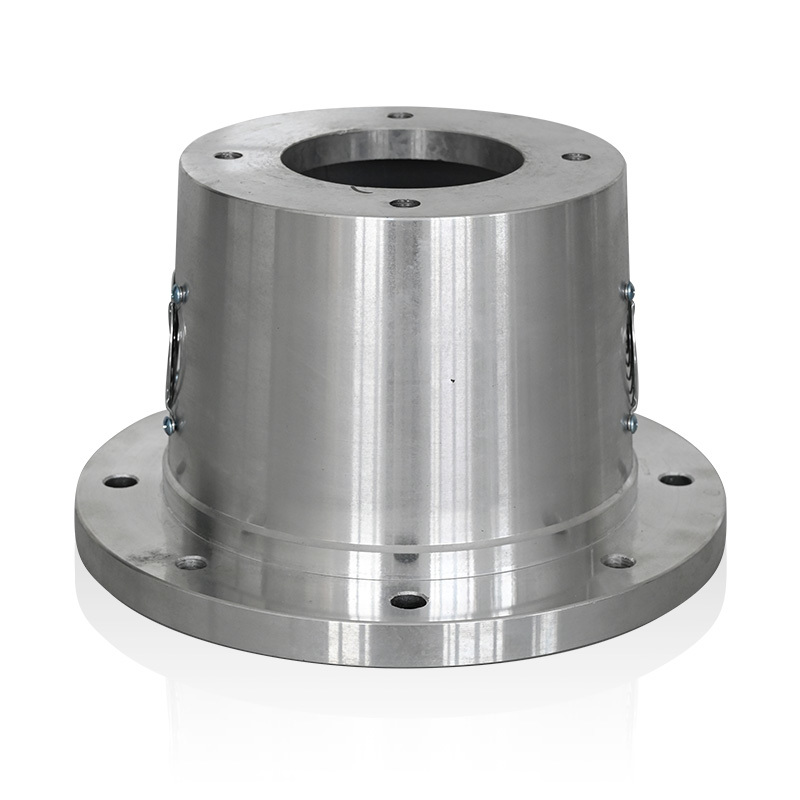
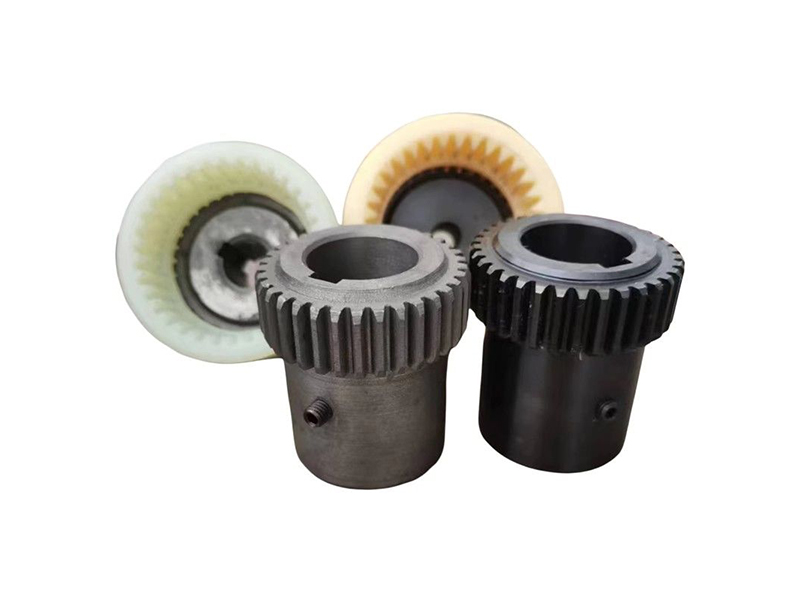
The construction of a jaw coupling typically consists of two metal hubs and a flexible elastomeric element known as a spider, which fits between the two hubs. The spider is available in different materials with varying hardness levels, enabling users to select the appropriate type based on the specific application requirements. The design allows for easy replacement of the spider without the need to remove the entire coupling, which facilitates maintenance and reduces downtime.
Another notable feature of jaw couplings is their ability to handle shock loads. When machinery experiences sudden changes in load or resistance, a jaw coupling can absorb these shock waves, protecting the connected components from potential damage. This makes them particularly valuable in applications that involve high starting torque or frequent starts and stops.
In addition to their mechanical benefits, jaw couplings are generally lightweight and compact, making them ideal for space-constrained applications. Their simplicity in design also means that they can be easily integrated into various systems without the need for additional fittings or adjustments.
It is important to note that while jaw couplings offer numerous advantages, they do have limitations. They are best suited for applications with low to moderate speeds and torques. For high-speed applications or those requiring precise alignment, alternative coupling types may be more appropriate.
When selecting a jaw coupling for a specific application, consider factors such as the required torque capacity, operating speed, and any environmental conditions that may affect the coupling’s performance. Proper selection and installation are crucial to ensure optimal performance and longevity.
In summary, jaw couplings play a significant role in the reliability and efficiency of industrial equipment. Their ability to accommodate misalignment, absorb shock loads, and their compact design make them a popular choice in various mechanical systems. Understanding their features and applications can help users make informed decisions when incorporating them into their operations.
Keywords:
You Can Also Learn More About Industry Trends


Specializing In The Research And Development And Sales Of Hydraulic Products


Contact Us
Phone/Whatsapp
+8613933722213 / +8613933744887
Address
No. 158, Xiaotun Automobile and Motorcycle Industrial Zone, Qinghe County, Hebei Province