


The Cost-Effectiveness of Investing in a Mobile Hydraulic Oil Cooler
Release Time:
Jan 29,2026
The Cost-Effectiveness of Investing in a Mobile Hydraulic Oil Cooler Introduction: Understanding Mobile Hydraulic Oil Coolers In the modern industrial landscape, efficient management of hydraulic systems is paramount. **Mobile hydraulic oil coolers** play a crucial role in regulating oil temperatures, ensuring optimal performance, and extending the lifespan of hydraulic components. This article ex
The Cost-Effectiveness of Investing in a Mobile Hydraulic Oil Cooler
Introduction: Understanding Mobile Hydraulic Oil Coolers
In the modern industrial landscape, efficient management of hydraulic systems is paramount. **Mobile hydraulic oil coolers** play a crucial role in regulating oil temperatures, ensuring optimal performance, and extending the lifespan of hydraulic components. This article explores the **cost-effectiveness** of investing in these systems, emphasizing their importance in various applications.
1. What is a Mobile Hydraulic Oil Cooler?
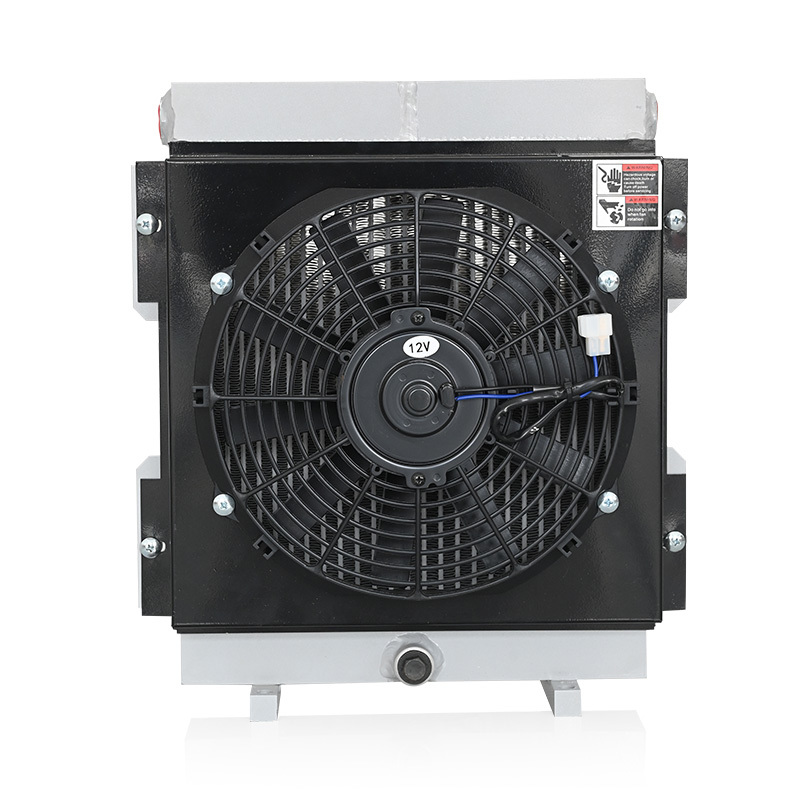
A mobile hydraulic oil cooler is a portable device designed to cool hydraulic fluids in machinery. Utilizing air or water cooling methods, these units significantly reduce the temperature of hydraulic oil, ensuring that hydraulic systems operate efficiently. The cooler’s mobility allows for versatile applications across different industrial environments, making it a valuable asset.
2. Key Benefits of Mobile Hydraulic Oil Coolers
2.1 Enhanced Equipment Performance
Maintaining the ideal operating temperature for hydraulic fluids is critical. High temperatures can lead to decreased performance, increased wear and tear on components, and potential system failures. A mobile hydraulic oil cooler ensures that oil remains within optimal temperature ranges, thereby enhancing overall equipment performance.
2.2 Energy Efficiency and Cost Savings
Operating machines at elevated temperatures often leads to increased energy consumption. By investing in a mobile hydraulic oil cooler, companies can achieve significant energy savings. Lower energy costs translate to improved operational efficiency and reduced overhead expenses.
2.3 Prolonged Equipment Lifespan
Heat is one of the primary enemies of hydraulic systems. Over time, excessive heat can degrade hydraulic fluids and damage components. By effectively controlling oil temperatures, mobile hydraulic oil coolers help in prolonging the lifespan of equipment, reducing the frequency of repairs and replacements.
2.4 Versatility Across Industries
Mobile hydraulic oil coolers are suitable for various industries, including construction, manufacturing, and agriculture. Their portability allows them to be used in different applications, from cooling hydraulic systems in excavators to facilitating efficient operation in manufacturing plants.
2.5 Reduced Downtime
Unscheduled downtime can have devastating effects on productivity. By maintaining optimal operating conditions with a mobile hydraulic oil cooler, organizations can minimize the risk of equipment failure, thereby reducing downtime and enhancing overall productivity.
3. The Initial Investment: A Closer Look
When considering a mobile hydraulic oil cooler, the initial investment may seem substantial. However, a thorough analysis of the long-term savings and operational benefits reveals that the upfront costs are often outweighed by the returns.
3.1 Breaking Down Costs
The costs associated with purchasing a mobile hydraulic oil cooler include the price of the unit, installation, and maintenance. However, these costs should be viewed in the context of potential savings in energy, reduced maintenance, and extended equipment lifespan.
3.2 Calculating Return on Investment (ROI)
Calculating ROI involves analyzing the total cost of investment against the savings garnered through improved efficiency. By systematically tracking energy bills, maintenance costs, and equipment performance, organizations can develop a clear picture of the financial benefits.
4. Case Studies: Real-World Applications
To further illustrate the cost-effectiveness of investing in mobile hydraulic oil coolers, let’s examine several case studies highlighting their successful implementation.
4.1 Case Study: Construction Industry
A prominent construction company faced challenges with overheating hydraulic systems during summer months. By integrating a mobile hydraulic oil cooler, they achieved a 30% reduction in energy costs and significantly improved the reliability of their machinery, leading to increased project completion rates.
4.2 Case Study: Manufacturing Sector
A manufacturing plant experienced frequent hydraulic system failures due to overheating. After investing in mobile hydraulic oil coolers, they observed a 50% decrease in maintenance costs and a marked improvement in machine availability, translating to higher production rates.
4.3 Case Study: Agricultural Equipment
An agricultural business utilizing hydraulic systems for field operations found that overheating resulted in detrimental equipment failures. Implementing mobile hydraulic oil coolers allowed them to sustain optimal operating temperatures, improving equipment durability and reducing downtime during critical harvest periods.
5. Maintenance and Care for Mobile Hydraulic Oil Coolers
While mobile hydraulic oil coolers provide numerous benefits, proper maintenance is essential to ensure optimal performance.
5.1 Routine Inspections
Regular inspections of mobile hydraulic oil coolers are critical. Check for any signs of leaks, wear, or damage. Addressing issues promptly can prevent larger problems down the road.
5.2 Cleaning and Upkeep
Ensure that the cooling fins and other components are free from debris and dirt. This maintenance helps maintain efficient airflow and cooling performance.
5.3 Monitoring Performance
Keep track of the cooler’s performance metrics. Monitoring parameters such as temperature and flow rates can help identify inefficiencies and allow for timely interventions.
6. Choosing the Right Mobile Hydraulic Oil Cooler
Selecting the appropriate mobile hydraulic oil cooler requires careful consideration of various factors.
6.1 Size and Capacity
Evaluate the size and capacity required for your specific hydraulic systems. The cooler should match the flow rate and volume of hydraulic fluid to effectively manage temperatures.
6.2 Cooling Method
Mobile hydraulic oil coolers can utilize air or water as cooling mediums. Consider the operating environment and requirements when choosing the cooling method that best suits your needs.
6.3 Manufacturer Reputation
Research reputable manufacturers known for quality and reliability. Investing in a well-regarded brand can ensure longevity and performance.
7. Frequently Asked Questions (FAQs)
7.1 What are the signs that my hydraulic system needs cooling?
Signs include overheating components, decreased performance, and frequent hydraulic fluid breakdown.
7.2 How often should I service my mobile hydraulic oil cooler?
It is advisable to conduct routine inspections every 3-6 months, depending on usage and operating conditions.
7.3 Can I use a mobile hydraulic oil cooler in extreme temperatures?
Yes, mobile hydraulic oil coolers are designed to operate effectively in a range of temperatures. However, choose a cooler specifically rated for extreme conditions.
7.4 How do I calculate the ROI of a mobile hydraulic oil cooler?
Calculate ROI by assessing total costs against savings from reduced energy consumption, maintenance, and extended equipment lifespan.
7.5 Are mobile hydraulic oil coolers energy-efficient?
Yes, they significantly enhance energy efficiency by maintaining optimal operating temperatures, resulting in lower energy consumption.
8. Conclusion: The Value of Mobile Hydraulic Oil Coolers
Investing in a mobile hydraulic oil cooler is not just a matter of convenience; it is a strategic decision that impacts operational efficiency, equipment longevity, and cost savings. By understanding the myriad benefits and conducting a thorough analysis of potential returns, organizations can make informed decisions that lead to sustained productivity and reduced expenses. In a competitive industrial environment, the value of maintaining optimal hydraulic system performance cannot be overstated, making mobile hydraulic oil coolers an essential investment for businesses aiming to thrive.
Keywords:
You Can Also Learn More About Industry Trends


Specializing In The Research And Development And Sales Of Hydraulic Products


Contact Us
Phone/Whatsapp
+8613933722213 / +8613933744887
Address
No. 158, Xiaotun Automobile and Motorcycle Industrial Zone, Qinghe County, Hebei Province