


Exploring the Benefits of Using Spiral Protective Sleeves in Industry
Release Time:
Feb 06,2026
Exploring the Benefits of Using Spiral Protective Sleeves in Industry Table of Contents 1. Introduction to Spiral Protective Sleeves 2. What Are Spiral Protective Sleeves? 3. Key Benefits of Spiral Protective Sleeves in Industrial Applications 3.1 Protection from Mechanical Damage 3.2 Thermal Protection 3.3 Chemical Resistance 3
Exploring the Benefits of Using Spiral Protective Sleeves in Industry
Table of Contents
- 1. Introduction to Spiral Protective Sleeves
- 2. What Are Spiral Protective Sleeves?
- 3. Key Benefits of Spiral Protective Sleeves in Industrial Applications
- 3.1 Protection from Mechanical Damage
- 3.2 Thermal Protection
- 3.3 Chemical Resistance
- 3.4 Electrical Insulation
- 3.5 Improved Organization and Visibility
- 4. Applications of Spiral Protective Sleeves in Different Industries
- 5. How to Choose the Right Spiral Protective Sleeve
- 6. Installation and Maintenance of Spiral Protective Sleeves
- 7. Frequently Asked Questions
- 8. Conclusion
1. Introduction to Spiral Protective Sleeves
In today's rapidly evolving industrial landscape, ensuring the safety and longevity of electrical and mechanical components is paramount. **Spiral protective sleeves** have emerged as a revolutionary solution for businesses looking to safeguard their assets. These innovative sleeves, designed to encase wires, cables, and hoses, offer a myriad of benefits that enhance operational efficiency, minimize downtime, and protect valuable equipment. In this article, we will explore the various advantages of spiral protective sleeves and how they contribute to a safer and more efficient industrial environment.
2. What Are Spiral Protective Sleeves?
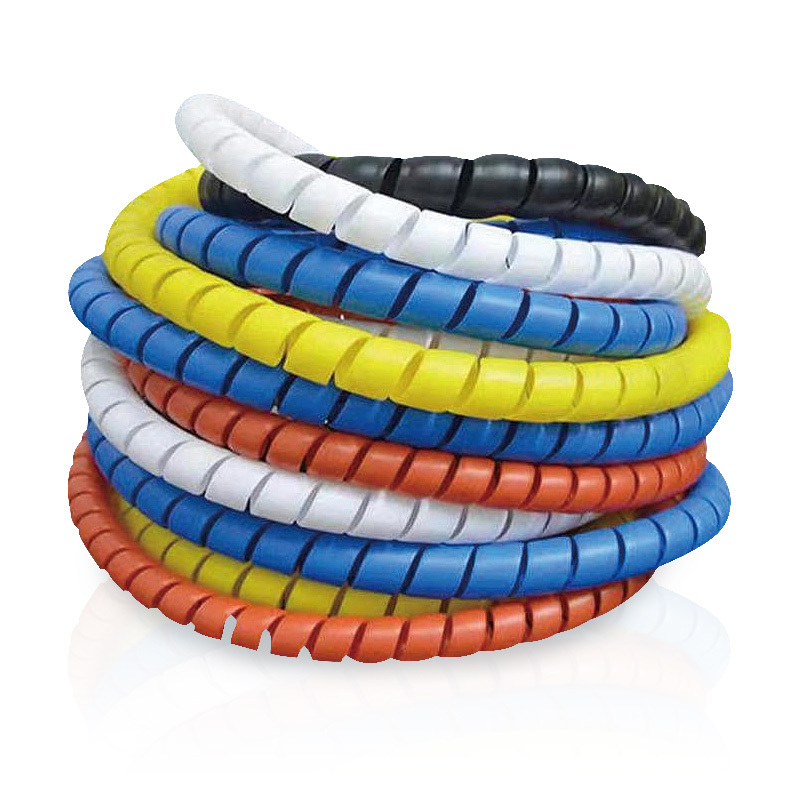
Spiral protective sleeves are flexible, coiled tubes made from materials like **polyethylene, nylon, or polyurethane**. These sleeves are designed to wrap around cables, hoses, and wires, providing a protective barrier against physical damage, environmental factors, and chemical exposure. The spiral design allows for easy installation and flexibility, making them ideal for a range of applications in diverse industries.
3. Key Benefits of Spiral Protective Sleeves in Industrial Applications
Spiral protective sleeves offer several key benefits that make them an essential component in industrial settings. Understanding these advantages can help businesses make informed decisions regarding their safety and operational efficiency.
3.1 Protection from Mechanical Damage
One of the primary functions of spiral protective sleeves is to shield cables and hoses from mechanical damage. In industrial environments, equipment often faces abrasions, impacts, and cuts from sharp objects or other machinery. The robust outer layer of spiral sleeves acts as a reliable barrier, preventing costly damage that could lead to equipment failure and safety hazards.
3.2 Thermal Protection
In many industrial applications, components are exposed to extreme temperatures. Spiral protective sleeves can provide thermal insulation, helping to maintain the integrity of the cables and hoses they encase. This insulation prevents overheating and reduces the risk of thermal degradation, thereby extending the lifespan of critical components.
3.3 Chemical Resistance
Industries such as **manufacturing, automotive, and chemical processing** often deal with hazardous substances that can corrode or damage cables and hoses. The materials used in spiral protective sleeves are typically resistant to a wide range of chemicals, ensuring that the integrity of the cables is maintained even in harsh environments. This chemical resistance is vital for preventing accidents and ensuring the safety of personnel.
3.4 Electrical Insulation
Another critical advantage of spiral protective sleeves is their ability to provide electrical insulation. Depending on the material used, these sleeves can help prevent electrical shocks and short circuits, protecting both machinery and personnel from potential hazards. This insulation is particularly important in industries where electrical components are prevalent.
3.5 Improved Organization and Visibility
Spiral protective sleeves can also enhance the organization of cables and hoses. By bundling various components together, businesses can reduce clutter and improve visibility within workspaces. This organization not only contributes to a safer working environment but also streamlines maintenance and troubleshooting processes.
4. Applications of Spiral Protective Sleeves in Different Industries
The versatility of spiral protective sleeves makes them suitable for a wide range of industries. Here are some notable applications:
4.1 Manufacturing
In manufacturing plants, spiral protective sleeves are commonly used to protect wiring and hoses from the rigors of production processes. Their durability and resistance to abrasions make them ideal for safeguarding equipment in high-traffic areas.
4.2 Automotive
The automotive industry benefits from spiral protective sleeves by using them to protect wiring harnesses and hydraulic lines. The sleeves ensure that components remain functional and safe, even in environments exposed to heat, chemicals, and mechanical stress.
4.3 Aerospace
In aerospace applications, where safety is paramount, spiral protective sleeves provide essential protection for electrical wiring and tubing. Their lightweight nature and thermal resistance are critical factors in maintaining the reliability of aircraft systems.
4.4 Construction
Construction sites present unique challenges for cables and hoses. Spiral protective sleeves can prevent damage caused by heavy machinery, sharp tools, and harsh weather conditions, ensuring that electrical systems remain operational.
4.5 Telecommunications
In telecommunications, protecting fiber optic cables and other sensitive wiring is crucial. Spiral protective sleeves help maintain signal integrity while safeguarding against environmental damage.
5. How to Choose the Right Spiral Protective Sleeve
Selecting the appropriate spiral protective sleeve involves several considerations. Here are key factors to help you make the best choice:
5.1 Material
Choose a material that aligns with the specific needs of your application. For instance, if chemical exposure is a concern, opt for sleeves made from chemically resistant materials.
5.2 Diameter and Length
Ensure that the sleeve fits snugly around the cables or hoses you want to protect. Measure the diameter and length accurately to prevent any installation issues.
5.3 Temperature Ratings
Consider the temperature range that the sleeves will be exposed to. Select sleeves that can withstand the highest temperatures encountered in your industrial environment.
5.4 Flexibility
Assess the flexibility of the sleeve, especially if it needs to navigate corners or bends. A more flexible sleeve will make installation easier and provide better protection.
5.5 Color and Visibility
The color of the spiral protective sleeves can impact visibility and organization. Bright colors can enhance visibility and help workers quickly identify different cables and hoses.
6. Installation and Maintenance of Spiral Protective Sleeves
Installing spiral protective sleeves is a straightforward process. Here are some steps to ensure proper installation:
6.1 Cleaning the Surface
Before installation, clean the surface of the cables or hoses to remove dirt and debris. A clean surface will enhance the adhesion of the sleeve.
6.2 Measuring and Cutting
Measure the required length of the sleeve and cut it accordingly. Ensure that the cut is straight for a better fit.
6.3 Sliding the Sleeve On
Carefully slide the spiral protective sleeve onto the cable or hose, ensuring that it fits snugly. You can use a lubricant if necessary to ease the process.
6.4 Securing the Ends
Secure the ends of the sleeve to prevent it from slipping off. You can use cable ties or heat-shrink tubing for this purpose.
6.5 Regular Inspection
Conduct regular inspections of the sleeves to check for signs of wear and tear. Replace any damaged sleeves promptly to maintain protection.
7. Frequently Asked Questions
7.1 What materials are spiral protective sleeves made from?
Spiral protective sleeves can be made from various materials, including polyethylene, nylon, and polyurethane, chosen based on specific application requirements.
7.2 Can spiral protective sleeves be reused?
Yes, spiral protective sleeves can often be reused, provided they remain in good condition and have not been damaged during their initial usage.
7.3 Are spiral protective sleeves resistant to UV rays?
Many spiral protective sleeves offer UV resistance, making them suitable for outdoor applications where exposure to sunlight is a concern.
7.4 How do I know which size of sleeve to choose?
To choose the right size of sleeve, measure the diameter of the cables or hoses you plan to protect. The sleeve should fit snugly without being overly tight.
7.5 Where can I purchase spiral protective sleeves?
Spiral protective sleeves can be purchased from industrial supply stores, online retailers, and manufacturers that specialize in protective equipment.
8. Conclusion
In conclusion, the integration of **spiral protective sleeves** into industrial applications offers significant benefits, including protection from mechanical damage, thermal insulation, chemical resistance, and improved organization. Their versatility across various industries highlights the importance of selecting the right sleeve for specific applications, ensuring maximum protection and efficiency. By understanding their advantages and implementing them effectively, businesses can enhance safety, reduce downtime, and extend the lifespan of their equipment. Embracing these innovative solutions will undoubtedly contribute to a safer and more productive industrial environment.
Keywords:
You Can Also Learn More About Industry Trends


Specializing In The Research And Development And Sales Of Hydraulic Products


Contact Us
Phone/Whatsapp
+8613933722213 / +8613933744887
Address
No. 158, Xiaotun Automobile and Motorcycle Industrial Zone, Qinghe County, Hebei Province