


Troubleshooting Common Issues with Mobile Hydraulic Oil Coolers: A Comprehensive Guide
Release Time:
Feb 22,2026
Troubleshooting Common Issues with Mobile Hydraulic Oil Coolers Table of Contents 1. Introduction to Mobile Hydraulic Oil Coolers 2. Importance of Proper Cooling in Hydraulic Systems 3. Common Issues with Mobile Hydraulic Oil Coolers 3.1 Overheating Issues 3.2 Oil Leaks 3.3 Oil Contamination 3.4 Unusual Noises 4. Di
Troubleshooting Common Issues with Mobile Hydraulic Oil Coolers
Table of Contents
- 1. Introduction to Mobile Hydraulic Oil Coolers
- 2. Importance of Proper Cooling in Hydraulic Systems
- 3. Common Issues with Mobile Hydraulic Oil Coolers
- 4. Diagnosing Hydraulic Oil Cooler Problems
- 5. Maintenance Tips for Mobile Hydraulic Oil Coolers
- 6. When to Call a Professional
- 7. Conclusion
- 8. Frequently Asked Questions
1. Introduction to Mobile Hydraulic Oil Coolers
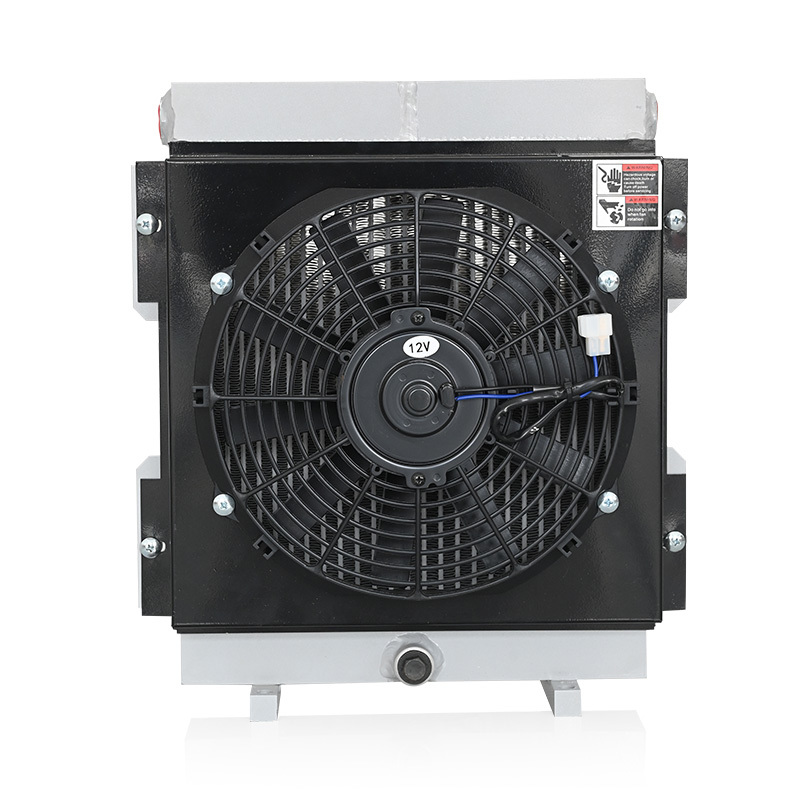
Mobile hydraulic oil coolers are essential components in various industrial applications, enabling hydraulic systems to operate efficiently by maintaining optimal temperatures. These units facilitate the dissipation of heat generated during hydraulic processes, ensuring that machinery continues to function reliably. As industries increasingly rely on hydraulic systems for operations, understanding the common issues that can affect mobile hydraulic oil coolers is critical for maintaining efficiency and prolonging the lifespan of equipment.
2. Importance of Proper Cooling in Hydraulic Systems
Proper cooling in hydraulic systems is crucial for several reasons:
- **Efficiency**: High temperatures can lead to decreased efficiency, causing the system to work harder and consume more energy.
- **Component Longevity**: Excessive heat can cause wear and tear on hydraulic components, leading to premature failure.
- **Safety**: Overheating can pose safety risks, potentially resulting in catastrophic failures that endanger operators and equipment.
To maintain operational efficiency and safety, it is vital to identify and troubleshoot issues related to hydraulic oil coolers as soon as they arise.
3. Common Issues with Mobile Hydraulic Oil Coolers
Despite their robust design, mobile hydraulic oil coolers can experience various issues. Understanding these common problems will help in effective troubleshooting.
3.1 Overheating Issues
Overheating is one of the most prevalent issues faced by mobile hydraulic oil coolers. When the oil temperature rises beyond the recommended limits, it can lead to several problems, including reduced lubrication and increased wear on components.
**Causes of Overheating:**
- Insufficient airflow around the cooler
- Clogged cooling fins
- Low oil levels or poor-quality oil
- High ambient temperatures
**Solutions:**
- Ensure adequate clearance around the cooler for airflow.
- Regularly clean the cooler to remove debris and dirt.
- Check oil levels and quality, replacing the oil if necessary.
- Consider adding additional cooling capacity during higher temperature seasons.
3.2 Oil Leaks
Oil leaks can drastically affect the performance of hydraulic systems. They not only lead to loss of fluid but can also indicate underlying issues with the cooler or connected components.
**Symptoms of Leaks:**
- Noticeable fluid puddles around the cooler
- Decreased oil levels in the reservoir
- Warning lights or alerts from the hydraulic system
**Solutions:**
- Inspect hoses and connections for signs of wear or damage.
- Tighten fittings or replace defective seals.
- Monitor fluid levels regularly to catch leaks early.
3.3 Oil Contamination
Contaminated oil can impair the performance of hydraulic systems. Dirt, water, and other particulates can enter the system, leading to serious damage.
**Sources of Contamination:**
- Environmental factors such as dust or water ingress
- Improper maintenance practices
- Degradation of hydraulic components
**Solutions:**
- Implement regular oil filtration and replacement schedules.
- Use high-quality filters to minimize contamination.
- Seal all access points to prevent foreign substances from entering.
3.4 Unusual Noises
Unusual noises emanating from the hydraulic oil cooler can indicate various issues ranging from cavitation to mechanical failure.
**Common Noises and Their Meanings:**
- Hissing: Potential leaks in the system.
- Whining: Could indicate low oil levels or pump issues.
- Grinding: Often a sign of mechanical failure within the cooler.
**Solutions:**
- Investigate the source of the noise immediately.
- Check oil levels and refill if low.
- Consult with a professional if mechanical issues are suspected.
4. Diagnosing Hydraulic Oil Cooler Problems
When issues arise, a structured diagnostic approach is essential. Begin by gathering information about the symptoms and conditions under which they occur. Here’s a step-by-step guide to diagnosing problems:
1. **Visual Inspection**: Look for signs of leakage, corrosion, or damage.
2. **Temperature Monitoring**: Use thermal imaging or temperature probes to identify hotspots.
3. **Fluid Analysis**: Conduct oil analysis to check for contamination levels and fluid conditions.
4. **System Pressure Check**: Ensure that the system is operating within specified pressure ranges.
By methodically assessing these aspects, potential issues can be identified and addressed efficiently.
5. Maintenance Tips for Mobile Hydraulic Oil Coolers
Preventive maintenance is vital for the longevity and reliability of mobile hydraulic oil coolers. Here are some best practices:
- **Regular Cleaning**: Clean the cooler’s exterior and internal components to prevent buildup that can hinder performance.
- **Fluid Checks**: Monitor fluid levels and quality, replacing the oil according to manufacturer recommendations.
- **Inspection Schedule**: Implement a routine inspection schedule, focusing on hoses, connections, and seals.
- **Monitor Operating Conditions**: Keep track of operating temperatures and pressures to catch deviations early.
Adopting these practices can significantly reduce the likelihood of unexpected breakdowns and extend the equipment's lifespan.
6. When to Call a Professional
While many issues can be diagnosed and resolved in-house, certain situations warrant professional intervention:
- **Persistent Problems**: If issues such as overheating or unusual noises persist despite troubleshooting efforts.
- **Complex Repairs**: Mechanical failures or any repairs that require specialized knowledge or tools.
- **Safety Concerns**: If there are signs of imminent failure that could pose safety risks to operators.
In these cases, consulting with a qualified technician or service provider can ensure that the hydraulic system is restored to optimal functionality.
7. Conclusion
In summary, mobile hydraulic oil coolers are essential for maintaining the efficiency and safety of hydraulic systems. By understanding the common issues that can arise, such as overheating, oil leaks, contamination, and unusual noises, operators can take proactive measures to troubleshoot and resolve these problems effectively. Implementing a rigorous maintenance schedule further enhances the reliability of hydraulic systems, safeguarding against unexpected failures and prolonging equipment lifespan. Should complex issues arise, seeking professional assistance ensures that hydraulic systems remain in peak working condition.
8. Frequently Asked Questions
What are the signs of a failing hydraulic oil cooler?
Signs include overheating, oil leaks, unusual noises, and reduced system efficiency.
How often should I check the oil levels in my hydraulic system?
Regular checks should be part of your routine maintenance—ideally weekly or as recommended by the manufacturer.
Can I clean my hydraulic oil cooler myself?
Yes, basic cleaning can be done by operators; however, complex maintenance should be handled by professionals.
What type of oil should I use for my hydraulic system?
Always use oil that meets the specifications outlined by your equipment manufacturer.
How can I prevent oil contamination?
Implementing proper sealing measures, regular oil changes, and using quality filtration systems can significantly reduce contamination risks.
By following these guidelines and recommendations, you can effectively troubleshoot common issues with mobile hydraulic oil coolers and enhance the reliability of your hydraulic systems.
Keywords:
You Can Also Learn More About Industry Trends


Specializing In The Research And Development And Sales Of Hydraulic Products


Contact Us
Phone/Whatsapp
+8613933722213 / +8613933744887
Address
No. 158, Xiaotun Automobile and Motorcycle Industrial Zone, Qinghe County, Hebei Province