


Understanding Flexible Shaft Couplings: A Comprehensive Guide for Industrial Applications
Release Time:
Mar 12,2026
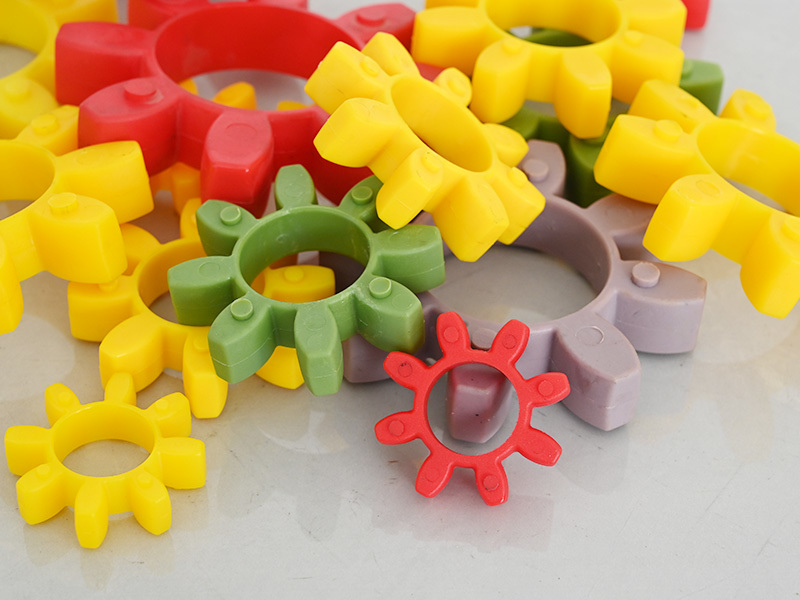
Flexible shaft couplings play a vital role in various industrial applications, particularly in the field of machinery and equipment. These components are designed to connect two shafts while allowing for some degree of misalignment between them. This flexibility is crucial in preventing excess stress on the connected components, thereby extending their operational lifespan and ensuring efficient p
One of the primary advantages of flexible shaft couplings is their ability to absorb vibrations and shocks. In many industrial scenarios, machinery experiences varying loads and dynamic forces. A flexible coupling can dampen these effects, reducing the risk of damage to bearings, gears, and other critical components. This characteristic makes them an excellent choice for applications involving rotating equipment, such as motors and pumps.
In addition to vibration isolation, flexible shaft couplings can accommodate angular, parallel, and axial misalignments between shafts. This adaptability is essential in real-world applications, where precise alignment is often challenging to achieve. By allowing for these misalignments, flexible couplings help ensure smooth operation and prevent premature wear or failure of connected machinery.
Another important aspect of flexible shaft couplings is their versatility in terms of materials and design. They can be constructed from various materials, including rubber, metal, and composites, each offering unique benefits based on the specific application requirements. For instance, rubber couplings are known for their excellent vibration damping properties, while metal couplings provide enhanced strength and durability for high-load applications.
When selecting a flexible shaft coupling, it's crucial to consider factors such as the operating environment, torque requirements, and the type of misalignment expected. Proper sizing and selection will ensure optimal performance and reliability of the coupling in the intended application. Additionally, regular maintenance and inspection can help identify wear and tear, allowing for timely replacements to prevent equipment downtime.
Flexible shaft couplings find applications across numerous industries, including manufacturing, automotive, aerospace, and more. In each of these sectors, they contribute significantly to the efficiency and reliability of machinery. As technology evolves, the design and functionality of flexible couplings continue to advance, offering innovative solutions for increasingly complex industrial challenges.
In summary, flexible shaft couplings are essential components in modern industrial machinery, providing flexibility, vibration damping, and the ability to accommodate misalignment. Understanding their features and applications can aid businesses in optimizing their equipment and enhancing operational efficiency. By selecting the right type of flexible coupling for specific applications, industries can improve their overall productivity while ensuring the longevity of their machinery.
Keywords:
You Can Also Learn More About Industry Trends


Specializing In The Research And Development And Sales Of Hydraulic Products


Contact Us
Phone/Whatsapp
+8613933722213 / +8613933744887
Address
No. 158, Xiaotun Automobile and Motorcycle Industrial Zone, Qinghe County, Hebei Province