


Understanding the Science Behind Mobile Hydraulic Oil Coolers: A Comprehensive Guide
Release Time:
Mar 18,2026
Understanding the Science Behind Mobile Hydraulic Oil Coolers Table of Contents 1. Introduction to Mobile Hydraulic Oil Coolers 2. The Importance of Hydraulic Oil Cooling 3. How Mobile Hydraulic Oil Coolers Work 4. Types of Mobile Hydraulic Oil Coolers 5. Key Components of Hydraulic Oil Coolers 6. Applications of Mobile Hydraulic Oil Coolers 7. Maintenance and Care for Hydraulic Oil Coolers 8. Fr
Understanding the Science Behind Mobile Hydraulic Oil Coolers
Table of Contents
- 1. Introduction to Mobile Hydraulic Oil Coolers
- 2. The Importance of Hydraulic Oil Cooling
- 3. How Mobile Hydraulic Oil Coolers Work
- 4. Types of Mobile Hydraulic Oil Coolers
- 5. Key Components of Hydraulic Oil Coolers
- 6. Applications of Mobile Hydraulic Oil Coolers
- 7. Maintenance and Care for Hydraulic Oil Coolers
- 8. Frequently Asked Questions
- 9. Conclusion
1. Introduction to Mobile Hydraulic Oil Coolers
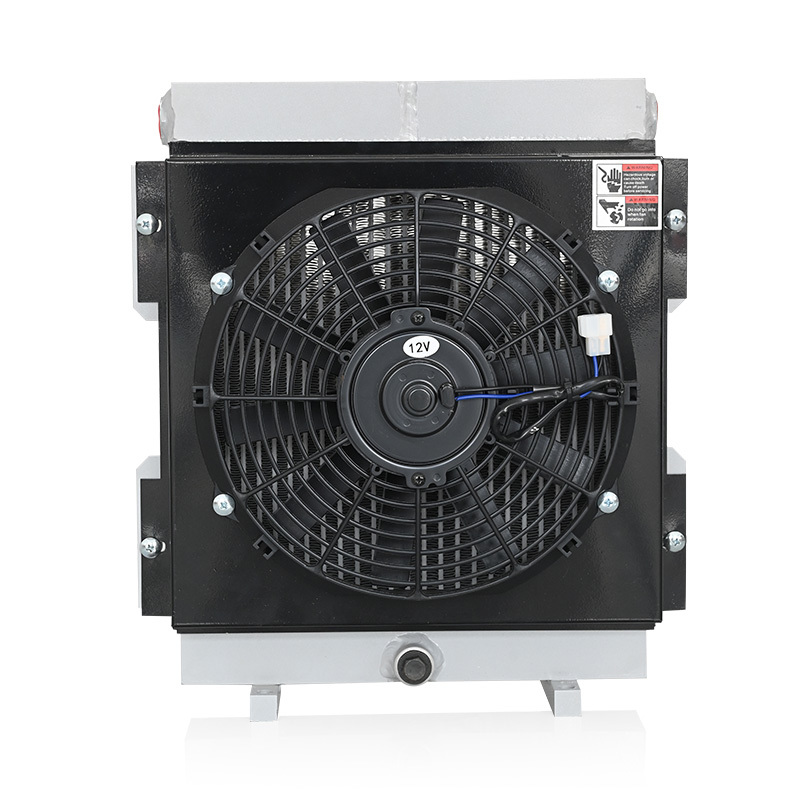
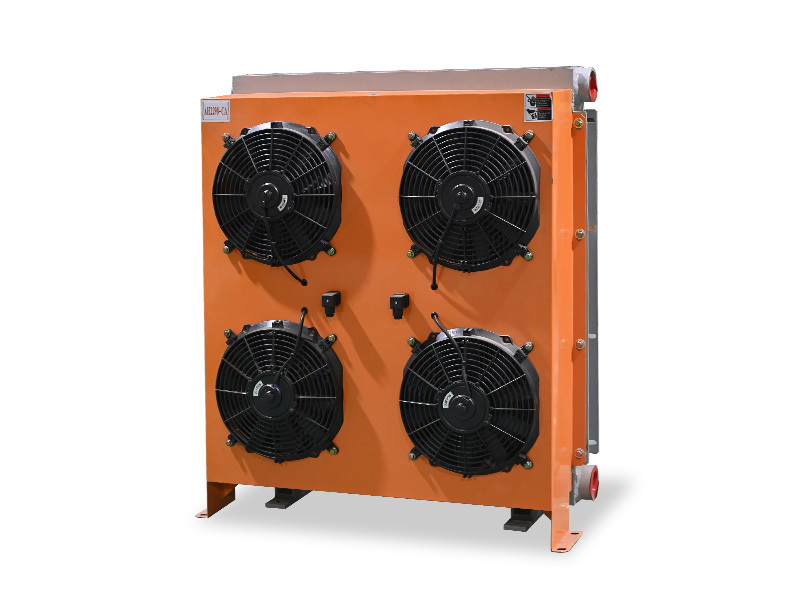
Mobile hydraulic oil coolers are crucial components in various industries, operating to maintain optimal hydraulic fluid temperatures. These devices are essential in applications involving machinery that requires hydraulic systems, such as construction equipment, agricultural machinery, and manufacturing devices. The primary function of these coolers is to dissipate heat generated during hydraulic fluid circulation, ensuring that systems operate efficiently and prolonging the equipment's lifespan.
Understanding the science behind mobile hydraulic oil coolers allows operators and engineers to make informed decisions about their equipment, focusing on efficiency and maintenance.
2. The Importance of Hydraulic Oil Cooling
Hydraulic systems rely on oil to transmit power efficiently. However, as hydraulic fluid circulates, it absorbs heat from the various components, leading to increased temperatures. Excessive heat can result in several issues:
- **Decreased Efficiency**: High temperatures can cause hydraulic fluid to lose its viscosity, leading to inefficient power transmission. This inefficiency can result in slower response times and reduced operational capabilities.
- **Increased Wear and Tear**: Elevated temperatures can accelerate the degradation of hydraulic components, leading to premature failures and costly repairs. Protecting equipment from overheating extends its operational life.
- **Safety Hazards**: Overheated hydraulic systems can pose safety risks, increasing the chances of equipment failure and workplace accidents. Maintaining optimal temperatures helps ensure safe operations.
Given these factors, the role of mobile hydraulic oil coolers becomes paramount in maintaining efficiency, safety, and longevity within hydraulic systems.
3. How Mobile Hydraulic Oil Coolers Work
Mobile hydraulic oil coolers operate on fundamental principles of thermodynamics and fluid mechanics. The cooling process involves several key steps:
1. **Heat Absorption**: As hydraulic fluid circulates through the system, it absorbs heat generated by hydraulic components, such as pumps, valves, and actuators.
2. **Circulation through the Cooler**: The heated hydraulic fluid is diverted into the cooler, where it is exposed to a cooling medium, typically air or water.
3. **Heat Exchange**: The cooler features a heat exchanger that facilitates the exchange of heat between the hydraulic fluid and the cooling medium. In air-cooled systems, fans facilitate airflow over the cooler's surface, while water-cooled systems utilize a water source to absorb heat from the fluid.
4. **Returning to the System**: After the hydraulic fluid is adequately cooled, it returns to the hydraulic system, maintaining optimal operational temperatures.
The efficiency of this cooling process is influenced by factors such as cooler design, ambient temperature, and airflow rates. Understanding these dynamics is essential for optimizing the performance of hydraulic systems.
4. Types of Mobile Hydraulic Oil Coolers
Mobile hydraulic oil coolers come in various designs, each tailored to specific applications and environmental conditions. The primary types include:
- **Air-Cooled Oil Coolers**: These are the most common types used in mobile applications. They utilize ambient air to cool hydraulic fluid, making them suitable for outdoor operations where airflow is abundant. Air-cooled coolers are often compact and easy to maintain.
- **Water-Cooled Oil Coolers**: These coolers use water as a cooling medium and are typically found in environments where water is readily available. Water-cooled systems offer superior cooling efficiency but may require additional maintenance due to potential corrosion issues.
- **Oil-to-Oil Heat Exchangers**: In some applications, heat exchangers that utilize oil as both the heating and cooling medium are employed. These systems offer efficient heat transfer but are typically more complex.
Selecting the appropriate type of cooler depends on the specific application, environment, and operational requirements.
5. Key Components of Hydraulic Oil Coolers
Understanding the components of mobile hydraulic oil coolers is crucial for effective operation and maintenance. Key components include:
- **Heat Exchanger**: The heart of the cooling system, where heat transfer occurs between hydraulic fluid and the cooling medium. Its design influences the overall efficiency of the cooler.
- **Fan or Pump**: Air-cooled systems rely on fans to draw air over the heat exchanger, while water-cooled systems utilize pumps to circulate water through the system. Both components are vital for maintaining optimal cooling performance.
- **Reservoir**: In some designs, a reservoir holds excess hydraulic fluid, allowing for consistent flow and improved heat dissipation.
- **Filter**: To protect the cooler and the hydraulic system, filters remove contaminants from the hydraulic fluid, ensuring efficient and clean operation.
- **Controls**: Monitoring and control systems regulate the operation of fans or pumps, ensuring that hydraulic fluid temperatures remain within acceptable limits.
Each component's functionality contributes to the overall effectiveness of mobile hydraulic oil coolers.
6. Applications of Mobile Hydraulic Oil Coolers
Mobile hydraulic oil coolers are utilized in various industries, each benefiting from the enhanced performance of hydraulic systems. Common applications include:
- **Construction Equipment**: Excavators, bulldozers, and cranes utilize hydraulic systems for precise control and power. Mobile hydraulic oil coolers ensure these systems operate efficiently, even in demanding environments.
- **Agricultural Machinery**: Tractors and harvesters rely on hydraulic systems for various functions, including lifting and steering. Effective cooling is essential to maintain performance during long hours of operation.
- **Manufacturing Equipment**: Hydraulic presses and conveyors require reliable hydraulic operation. Mobile hydraulic oil coolers enhance efficiency, reducing downtime and maintenance costs.
- **Marine Applications**: Hydraulic systems in ships and offshore platforms benefit from mobile coolers, ensuring reliable operation even in harsh marine conditions.
- **Mining Operations**: Hydraulic systems in mining equipment, such as drills and loaders, demand efficient cooling to withstand extreme operating conditions.
The versatility of mobile hydraulic oil coolers makes them indispensable across numerous industries.
7. Maintenance and Care for Hydraulic Oil Coolers
Proper maintenance is essential for ensuring the longevity and efficiency of mobile hydraulic oil coolers. Key maintenance practices include:
- **Regular Inspections**: Periodically inspect the cooler for any signs of wear, corrosion, or leaks. Early detection of issues can prevent costly repairs.
- **Cleaning**: Keep the heat exchanger clean to promote efficient heat transfer. Dust and debris can hinder airflow or water circulation, reducing cooling effectiveness.
- **Fluid Quality Checks**: Regularly check the hydraulic fluid quality for contaminants and degradation. Using clean, high-quality hydraulic fluid enhances system performance.
- **System Monitoring**: Implement monitoring systems to track fluid temperatures, pressures, and flow rates. Identifying deviations from normal operating conditions allows for timely corrective actions.
- **Component Replacement**: Replace filters, fans, or pumps as needed to maintain optimal performance. Timely component replacement minimizes system downtime.
Investing time and effort into proper maintenance ensures that mobile hydraulic oil coolers continue to operate efficiently and effectively.
8. Frequently Asked Questions
What is the purpose of a mobile hydraulic oil cooler?
Mobile hydraulic oil coolers are designed to dissipate heat from hydraulic fluid, ensuring optimal operating temperatures for hydraulic systems in various applications.
How often should I maintain my hydraulic oil cooler?
Regular inspections should be conducted every few months, while cleaning and fluid quality checks are recommended more frequently, especially in demanding environments.
Can I use water-cooled oil coolers in all environments?
Water-cooled oil coolers are best suited for environments where water is readily available. In areas where water access is limited, air-cooled coolers may be more appropriate.
How can I improve the efficiency of my hydraulic oil cooler?
To enhance the efficiency, ensure proper airflow, maintain cleanliness, and regularly check the hydraulic fluid quality. Implementing monitoring systems can also help identify issues early.
What are the signs of a failing hydraulic oil cooler?
Signs of a failing cooler include excessive fluid temperatures, unusual noises from fans or pumps, and visible leaks or corrosion on the cooler's surface.
9. Conclusion
Mobile hydraulic oil coolers play a vital role in ensuring the efficiency and reliability of hydraulic systems across various industries. By understanding their operation, components, and maintenance practices, we can optimize their performance, mitigate potential issues, and extend the lifespan of hydraulic equipment. Investing in quality coolers and adhering to maintenance protocols will not only enhance operational efficiency but also contribute to safer working environments. As technology advances, staying informed about the latest developments in hydraulic cooling systems will be paramount for continued success in industrial applications.
Keywords:
You Can Also Learn More About Industry Trends


Specializing In The Research And Development And Sales Of Hydraulic Products


Contact Us
Phone/Whatsapp
+8613933722213 / +8613933744887
Address
No. 158, Xiaotun Automobile and Motorcycle Industrial Zone, Qinghe County, Hebei Province