


Electrical Control Systems: The Essential Role of Spiral Protective Sleeves
Release Time:
Mar 26,2026
Electrical Control Systems: The Essential Role of Spiral Protective Sleeves In today's rapidly advancing technological landscape, the integrity and reliability of electrical control systems are paramount. Among the myriad of components that contribute to these systems, spiral protective sleeves play a critical, yet often overlooked, role. These protective devices not only enhance the longevity of
Electrical Control Systems: The Essential Role of Spiral Protective Sleeves
In today's rapidly advancing technological landscape, the integrity and reliability of electrical control systems are paramount. Among the myriad of components that contribute to these systems, spiral protective sleeves play a critical, yet often overlooked, role. These protective devices not only enhance the longevity of electrical wiring but also ensure safety and efficiency across various applications. In this article, we will explore the significance of spiral protective sleeves, their advantages, proper installation techniques, and maintenance practices to maximize their effectiveness.
Table of Contents
- Understanding Electrical Control Systems
- The Importance of Protection in Electrical Applications
- What are Spiral Protective Sleeves?
- Benefits of Using Spiral Protective Sleeves
- Durability and Longevity
- Flexibility and Ease of Use
- Improved Aesthetic Appeal
- Enhanced Safety Features
- Resistance to Environmental Factors
- Installation Techniques for Spiral Protective Sleeves
- Maintenance Best Practices
- Common Applications of Spiral Protective Sleeves in Electrical Control Systems
- FAQs about Spiral Protective Sleeves
- Conclusion
Understanding Electrical Control Systems
Electrical control systems are integral to the operation of numerous devices and machinery, forming the backbone of automation and control processes. They consist of various electrical components such as sensors, controllers, and actuators that work together to monitor and manage electrical energy flow. Ensuring that these systems function seamlessly requires attention to detail and, importantly, effective protection for wiring and components.
The Importance of Protection in Electrical Applications
In any electrical application, protection is vital to prevent damage from wear, tear, and external environmental factors. Unprotected wiring is susceptible to abrasion, moisture, chemicals, and extreme temperatures, which can lead to malfunctions, safety hazards, and costly repairs. Therefore, implementing protective measures is not merely a precaution but a necessity for maintaining system integrity.
What are Spiral Protective Sleeves?
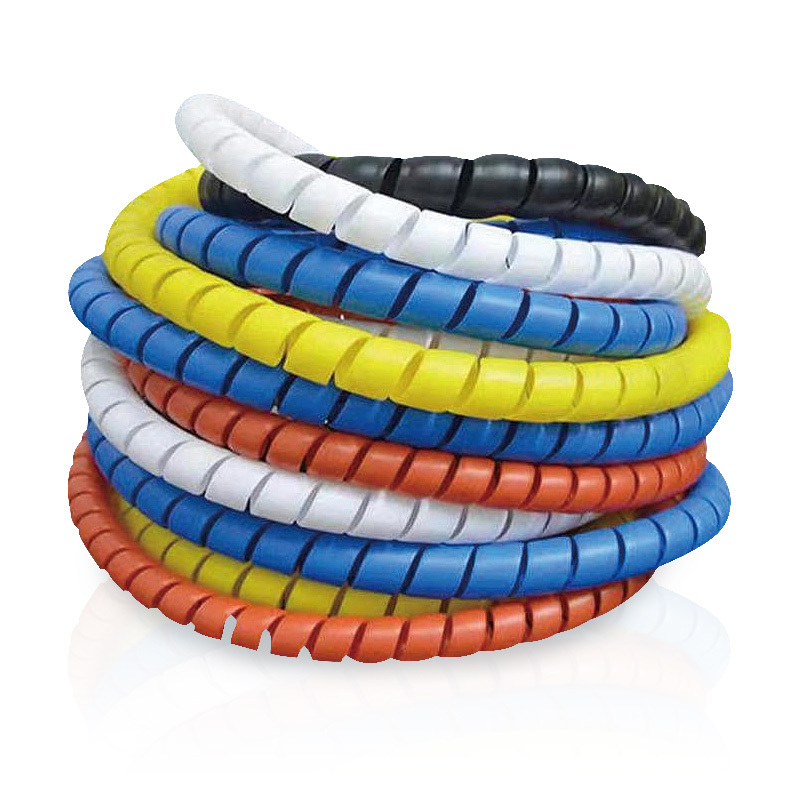
Spiral protective sleeves are flexible tubes made from high-quality materials, designed to encase and protect electrical cables and wiring. Their spiral structure allows for easy installation and adaptability, accommodating various cable sizes and configurations. These sleeves provide a robust barrier against physical damage and environmental threats, making them an essential component in electrical control systems.
Materials Used in Spiral Protective Sleeves
Spiral protective sleeves are typically made from materials such as polyethylene, polypropylene, or nylon, all of which offer excellent durability and resistance to various environmental factors. These materials are chosen for their ability to withstand impacts, abrasions, and exposure to chemicals, ensuring the protection of the cables within.
Benefits of Using Spiral Protective Sleeves
Durability and Longevity
One of the primary benefits of spiral protective sleeves is their ability to significantly extend the life of electrical wiring. By providing a robust layer of protection, these sleeves minimize wear and tear, reducing the frequency of replacements and maintenance. As a result, users can save on costs and improve system reliability.
Flexibility and Ease of Use
The spiral design of these protective sleeves makes them incredibly flexible, allowing for easy installation around various shapes and sizes of cables. This adaptability ensures that electrical systems can be organized efficiently, reducing clutter and enhancing overall functionality.
Improved Aesthetic Appeal
In addition to functionality, spiral protective sleeves also enhance the visual appeal of electrical systems. By neatly organizing cables, these sleeves contribute to a clean and professional look, especially in commercial and industrial applications where presentation matters.
Enhanced Safety Features
Safety is paramount in electrical applications, and spiral protective sleeves contribute significantly to preventing accidents. By protecting wires from damage, these sleeves reduce the risk of electrical shocks, short circuits, and fire hazards, ensuring a safer environment for both operators and equipment.
Resistance to Environmental Factors
Spiral protective sleeves are designed to withstand a variety of environmental conditions. Whether in high-temperature settings, areas exposed to moisture, or environments with corrosive substances, these sleeves provide an additional line of defense, ensuring that the electrical components remain functional and safe.
Installation Techniques for Spiral Protective Sleeves
Installing spiral protective sleeves is a straightforward process that can be completed with minimal tools. Here are some effective techniques to ensure proper installation:
Preparation of Cables
Before installation, ensure that the cables are clean and free of any debris or sharp edges. This preparation step is essential to prevent damage to the protective sleeve during installation.
Measuring the Length
Measure the length of the cable that requires protection. The spiral protective sleeve should extend slightly beyond the ends of the cable to provide adequate coverage. Cut the sleeve to the appropriate length using a sharp knife or scissors.
Slipping on the Sleeve
Gently slide the spiral protective sleeve over the cable. The flexibility of the material allows it to conform to the shape of the cable easily. Ensure that the sleeve is positioned correctly and evenly distributes along the length of the cable.
Securing the Sleeve
While many spiral protective sleeves can remain in place due to friction, securing the ends with cable ties or heat-shrink tubing can provide additional security and prevent any movement during operation.
Maintenance Best Practices
To ensure the long-term effectiveness of spiral protective sleeves, regular maintenance is necessary. Here are some best practices to consider:
Periodic Inspections
Conduct regular inspections of the protective sleeves to identify any signs of wear, damage, or loosening. Early detection of issues can prevent more significant problems down the line.
Cleaning Techniques
Keep the sleeves clean by wiping them down with a damp cloth to remove dust and debris. Avoid using abrasive cleaners that could damage the material. For tougher stains, a mild detergent can be used.
Replacement Guidelines
If a spiral protective sleeve shows signs of significant wear or damage, it should be replaced immediately to maintain optimal protection for the electrical cables.
Common Applications of Spiral Protective Sleeves in Electrical Control Systems
Spiral protective sleeves are utilized in a wide variety of applications within electrical control systems, including:
Industrial Machinery
In industrial settings, machinery often operates in harsh environments where cables are exposed to abrasion and movement. Spiral protective sleeves are essential for safeguarding these cables, ensuring uninterrupted operation.
Automotive Applications
In the automotive industry, electrical wiring must withstand vibrations and extreme temperatures. The use of spiral protective sleeves ensures that wiring remains intact and functional, contributing to overall vehicle safety and performance.
Commercial Electrical Installations
In commercial buildings, spiral protective sleeves help organize and protect electrical wiring, preventing damage and maintaining aesthetic appeal. This organization is crucial for ongoing maintenance and troubleshooting.
FAQs about Spiral Protective Sleeves
1. What materials are spiral protective sleeves made of?
Spiral protective sleeves are typically made from durable materials such as polyethylene, polypropylene, and nylon, which provide excellent resistance to abrasion, chemicals, and environmental factors.
2. How do I choose the right size of spiral protective sleeve?
Measure the diameter of the cables you need to protect, then select a spiral protective sleeve that accommodates that size, allowing for a snug yet flexible fit.
3. Can spiral protective sleeves be reused?
Yes, spiral protective sleeves can often be reused if they remain in good condition. However, if they show signs of wear or damage, it is advisable to replace them for optimal protection.
4. Are spiral protective sleeves effective in high-temperature environments?
Yes, many spiral protective sleeves are designed to withstand high temperatures, but it is essential to check the specifications of the material to ensure compatibility with your specific application.
5. How often should I inspect my spiral protective sleeves?
Regular inspections should be conducted every few months or whenever maintenance is performed on the electrical system to ensure the sleeves remain intact and effective.
Conclusion
Spiral protective sleeves are more than just an accessory in electrical control systems; they are a fundamental component that enhances safety, durability, and efficiency. By investing in these protective devices, users can ensure the long-term functionality of their electrical systems, reduce maintenance costs, and improve safety. Proper installation and ongoing maintenance of spiral protective sleeves will yield significant benefits, making them an indispensable part of any electrical application. As technology continues to advance, the importance of protecting our electrical systems will only become more pronounced, making it imperative to prioritize the use of high-quality protective solutions like spiral protective sleeves.
Keywords:
You Can Also Learn More About Industry Trends


Specializing In The Research And Development And Sales Of Hydraulic Products


Contact Us
Phone/Whatsapp
+8613933722213 / +8613933744887
Address
No. 158, Xiaotun Automobile and Motorcycle Industrial Zone, Qinghe County, Hebei Province