


Understanding Flexible Shaft Couplings: Key Insights for Industrial Applications
Release Time:
Apr 05,2026
Flexible shaft couplings are critical components in the realm of industrial equipment and machinery, particularly within the sectors involving chains and conveyor systems. These couplings serve to connect two shafts, allowing for the transfer of torque and rotational motion while accommodating misalignment between the shafts. Understanding their functionality and applications is vital for professi
One of the primary advantages of flexible shaft couplings is their ability to handle various types of misalignments—be it angular, parallel, or axial. Misalignment can occur due to thermal expansion, fabrication tolerances, or operational wear, and can lead to increased wear and tear on machinery if not properly managed. Flexible couplings are designed to absorb shock loads and vibrations, making them particularly effective in dynamic environments where machinery operates under varying loads and conditions.
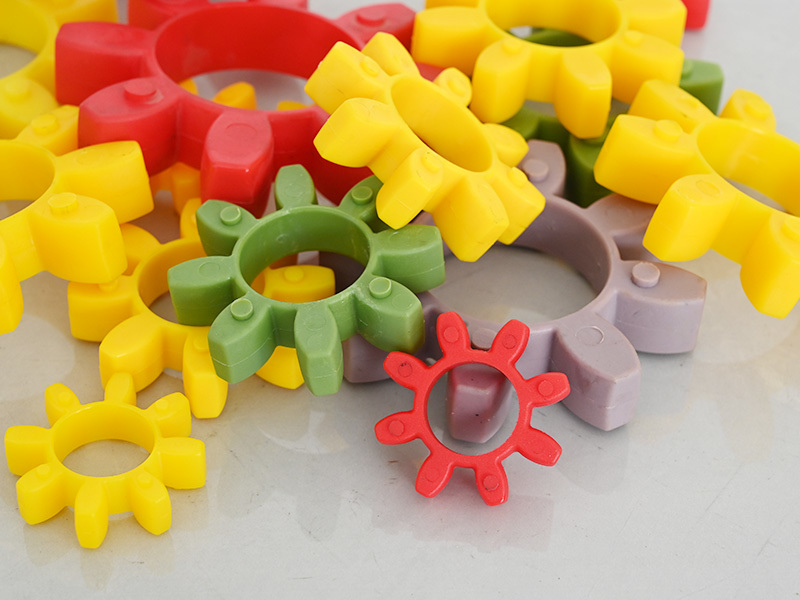
Moreover, flexible shaft couplings come in various designs, including elastomeric, metallic, and composite types. Each design has its unique characteristics and suitability for specific applications. For instance, elastomeric couplings are known for their ability to dampen vibrations and reduce noise, making them ideal for applications in sensitive environments. Conversely, metallic couplings, which may include helical or bellows designs, offer high torque transmission capabilities and are suitable for high-performance applications.
In terms of maintenance, flexible shaft couplings generally require minimal upkeep. However, regular inspections are recommended to identify any signs of wear or damage, which could impact their performance. Proper installation and alignment are also crucial to ensuring the longevity and effectiveness of the coupling. Professionals should pay close attention to the manufacturer's specifications regarding torque limitations and installation guidelines to maximize operational efficiency.
Applications of flexible shaft couplings are widespread across various industries, including manufacturing, automotive, aerospace, and food processing. They are often used in conjunction with electric motors, pumps, and gearboxes, where they facilitate the seamless transfer of power between rotating shafts. Their versatility makes them suitable for both high-speed and low-speed applications, adapting to the unique requirements of diverse industrial tasks.
In conclusion, flexible shaft couplings are indispensable in maintaining the performance and reliability of industrial equipment. Understanding their characteristics, advantages, and appropriate applications empowers professionals to make informed decisions that enhance their operations. By prioritizing the selection and maintenance of these components, businesses can ensure smooth machinery operation while minimizing downtime and maintenance costs. Whether you are designing a new system or upgrading existing equipment, flexible shaft couplings should be a top consideration in your engineering solutions.
Keywords:
You Can Also Learn More About Industry Trends

Specializing In The Research And Development And Sales Of Hydraulic Products


Contact Us
Phone/Whatsapp
+8613933722213 / +8613933744887
Address
No. 158, Xiaotun Automobile and Motorcycle Industrial Zone, Qinghe County, Hebei Province