


Understanding Jaw Couplings: Essential Components for Industrial Equipment
Release Time:
Apr 13,2026
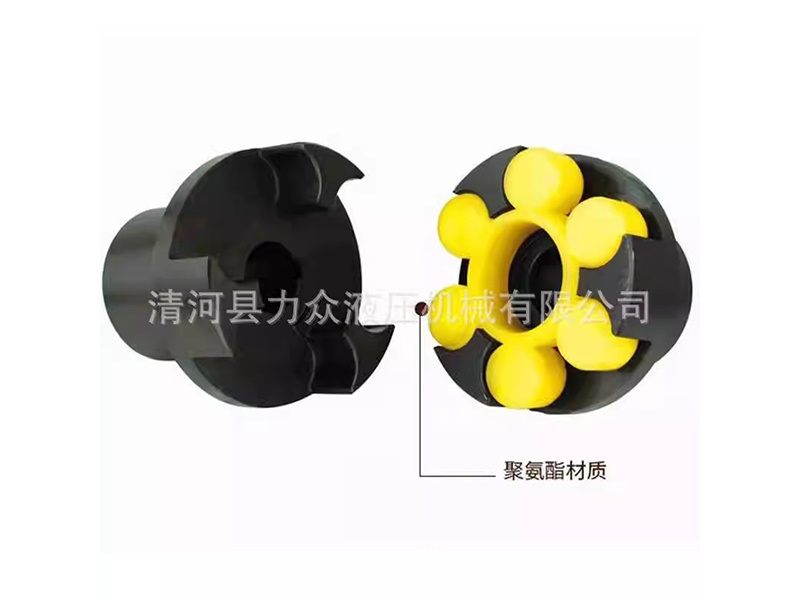
Jaw couplings are a type of flexible coupling used to connect shafts in various mechanical systems. They are characterized by their two halves, known as "jaws," which engage with a flexible element to accommodate misalignment and reduce the transmission of vibrations. In industrial applications, the ability of jaw couplings to handle misalignment is crucial, as machinery often experiences shifts d
One of the primary benefits of jaw couplings is their simplicity in design, which allows for easy installation and maintenance. The components typically consist of a pair of metal jaws and a rubber or polyurethane insert. This straightforward construction not only simplifies the assembly process but also minimizes the risk of failure, making them a reliable choice for many industries.
In terms of performance, jaw couplings excel in transmitting torque while absorbing shock loads. This characteristic is particularly important in applications where machinery operates under fluctuating loads. The flexible element within the coupling helps to dampen these shocks, protecting both the connected equipment and the coupling itself from excessive wear and tear. Consequently, jaw couplings can significantly extend the lifespan of machinery components, leading to reduced downtime and maintenance costs.
Jaw couplings are versatile and can be used in a wide range of applications, including but not limited to conveyor systems, pumps, and electric motor drives. Their adaptability makes them suitable for industries such as manufacturing, food processing, and material handling. In addition, their ability to compensate for angular and parallel misalignment ensures optimal performance in diverse operational settings.
When selecting a jaw coupling, professionals should consider factors such as the shaft size, the torque requirements of the application, and the operating environment. The choice of material for the flexible element is also essential, as it impacts the coupling's performance under different temperature and load conditions. This careful selection process can greatly enhance the efficiency of the entire system.
In conclusion, jaw couplings play a vital role in the functionality and reliability of industrial equipment. Their design, capability to handle misalignment, and shock-absorbing properties make them indispensable in various applications. By understanding the importance of jaw couplings, professionals in the industrial sector can make informed decisions that contribute to the overall efficiency and longevity of their equipment. Whether you're involved in machinery design, maintenance, or operations, recognizing the value of these components is essential for optimizing performance and ensuring operational success.
Keywords:
You Can Also Learn More About Industry Trends


Specializing In The Research And Development And Sales Of Hydraulic Products


Contact Us
Phone/Whatsapp
+8613933722213 / +8613933744887
Address
No. 158, Xiaotun Automobile and Motorcycle Industrial Zone, Qinghe County, Hebei Province