


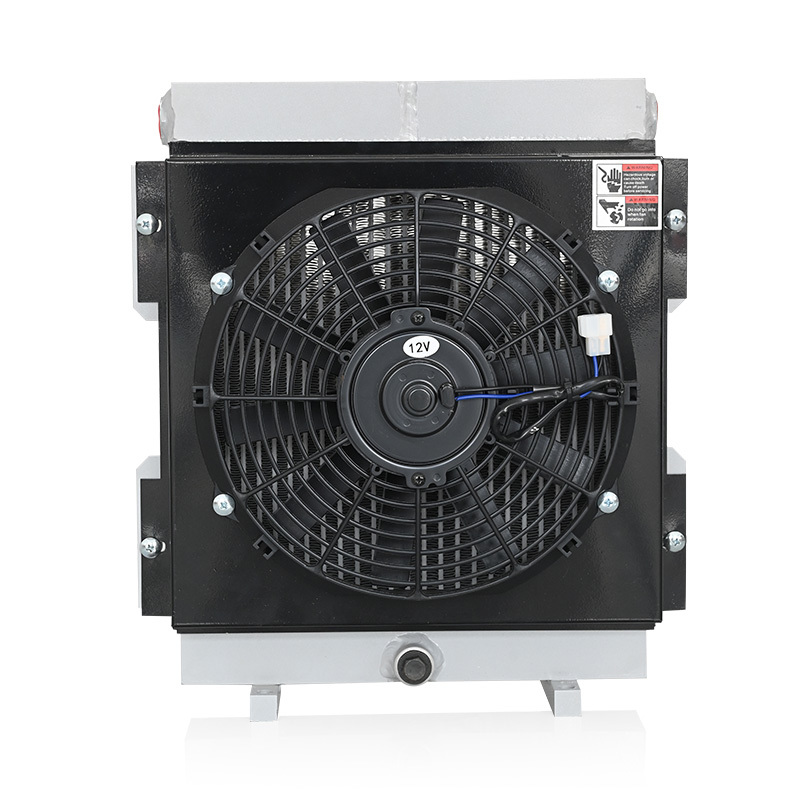

Motor Damping Strips: Essential for Enhancing Vehicle Longevity
Release Time:
Apr 15,2026
Motor Damping Strips: Essential for Enhancing Vehicle Longevity In the world of automotive engineering, every component plays a vital role in ensuring the longevity and performance of a vehicle. Among these components, motor damping strips stand out as a critical element for enhancing vehicle longevity and performance. In this article, we delve deep into what motor damping strips are, their functi
Motor Damping Strips: Essential for Enhancing Vehicle Longevity
In the world of automotive engineering, every component plays a vital role in ensuring the longevity and performance of a vehicle. Among these components, motor damping strips stand out as a critical element for enhancing vehicle longevity and performance. In this article, we delve deep into what motor damping strips are, their functions, benefits, and maintenance, providing you with a detailed understanding of why they are indispensable for your vehicle.
Table of Contents
- 1. What Are Motor Damping Strips?
- 2. The Importance of Motor Damping Strips in Vehicle Longevity
- 3. How Motor Damping Strips Work to Reduce Vibration
- 4. Benefits of Using Motor Damping Strips
- 5. Installation of Motor Damping Strips: A Step-by-Step Guide
- 6. Maintenance Tips for Motor Damping Strips
- 7. How to Choose the Right Motor Damping Strips for Your Vehicle
- 8. Frequently Asked Questions (FAQs)
- 9. Conclusion
1. What Are Motor Damping Strips?
Motor damping strips, often referred to as vibration dampers or isolators, are specialized components designed to minimize vibrations and shocks transmitted from the engine and road to the vehicle chassis. Typically made from high-quality rubber or composite materials, these strips are strategically installed in various areas of the vehicle to absorb and dissipate energy produced during operation. By doing so, motor damping strips contribute to a smoother ride while protecting critical parts of the vehicle from excessive wear.
2. The Importance of Motor Damping Strips in Vehicle Longevity
The longevity of a vehicle depends significantly on the quality of its components and their ability to withstand operational stresses. Motor damping strips play a crucial role in:
- Reducing wear and tear: By absorbing vibrations, these strips help prevent premature wear on engine mounts, transmission components, and the vehicle’s frame.
- Enhancing comfort: A well-damped vehicle provides a more comfortable driving experience, which can lead to better concentration and reduced fatigue for the driver.
- Improving vehicle performance: Minimizing vibrations can lead to better handling and stability, allowing for smoother acceleration and braking.
3. How Motor Damping Strips Work to Reduce Vibration
Motor damping strips work on the principle of energy absorption. When the vehicle is in motion, the engine produces vibrations that can be transmitted throughout the chassis. Here’s how the process works:
- Vibration absorption: The damping strips absorb high-frequency vibrations generated by the engine and road irregularities, preventing these vibrations from reaching the chassis and cabin.
- Dissipation of energy: The material of the damping strips converts kinetic energy from vibrations into thermal energy, which is then dispersed into the environment, further reducing the impact felt by the vehicle.
- Isolation of components: By isolating different components of the vehicle from each other, damping strips ensure that shocks and vibrations do not cause structural fatigue or other mechanical failures.
4. Benefits of Using Motor Damping Strips
Integrating motor damping strips into your vehicle offers a multitude of benefits:
- Increased lifespan of vehicle components: By minimizing vibrations, these strips help to prolong the life of various mechanical parts, including the engine, transmission, and suspension system.
- Improved acoustic comfort: Damping strips significantly reduce noise levels, leading to a quieter cabin environment, which enhances the overall driving experience.
- Enhanced handling and stability: With reduced vibrations, drivers experience improved vehicle stability and handling, particularly during high speeds or cornering.
- Lower maintenance costs: By preventing damage to critical parts, motor damping strips can reduce the frequency and cost of repairs.
- Increased resale value: A vehicle that has been well-maintained with quality components, including damping strips, is likely to have a higher resale value.
5. Installation of Motor Damping Strips: A Step-by-Step Guide
Installing motor damping strips can be a straightforward process if done correctly. Here’s a step-by-step guide:
Step 1: Gather Necessary Tools and Materials
Before beginning the installation, ensure you have the following tools and materials:
- Motor damping strips
- Socket wrench
- Screwdriver
- Jack and jack stands (if needed)
- Safety goggles and gloves
Step 2: Prepare the Vehicle
Park the vehicle on a flat surface, engage the parking brake, and turn off the engine. If necessary, lift the vehicle using a jack and secure it with jack stands.
Step 3: Identify Installation Points
Locate the areas where the damping strips need to be installed. Common areas include the engine mounts, suspension components, and any other sections prone to vibration.
Step 4: Remove Old Strips (if applicable)
If replacing old damping strips, carefully remove them using a socket wrench or screwdriver as necessary. Clean the installation area to remove any debris or residue.
Step 5: Install New Damping Strips
Position the new damping strips in their designated areas. Ensure they fit snugly and securely. Fasten them using the appropriate tools, ensuring they are tightly secured to prevent movement.
Step 6: Test the Installation
Once installed, start the engine and check for any noises or vibrations. Take the vehicle for a test drive to ensure the damping strips are functioning effectively.
6. Maintenance Tips for Motor Damping Strips
To ensure that motor damping strips continue to perform effectively, consider the following maintenance tips:
- Regular inspections: Check damping strips periodically for wear, cracks, or damage. This is especially important after long trips or when driving on rough terrain.
- Keep the installation area clean: Debris can affect the performance of the damping strips. Regularly clean the areas where the strips are installed.
- Replace when necessary: If you notice any signs of wear or reduced performance, replace the damping strips promptly to maintain optimal vehicle performance.
7. How to Choose the Right Motor Damping Strips for Your Vehicle
When selecting motor damping strips, consider the following factors:
- Material quality: Look for high-quality materials that can withstand temperature fluctuations and mechanical stress.
- Vehicle compatibility: Ensure that the damping strips you choose are compatible with your specific vehicle make and model.
- Performance specifications: Review the performance ratings and specifications to ensure they meet your driving needs.
- Brand reputation: Opt for reputable brands known for quality and durability to ensure the best performance.
8. Frequently Asked Questions (FAQs)
1. What are the signs that my motor damping strips need replacement?
Signs include increased vibrations, unusual noises from the engine area, and a noticeable decline in driving comfort.
2. Can I install motor damping strips myself?
Yes, with some basic tools and knowledge, you can install motor damping strips yourself. However, if you're unsure, it's best to consult a professional.
3. How often should I check my motor damping strips?
It’s advisable to check them at least once every six months or before long trips.
4. Do motor damping strips affect fuel efficiency?
Yes, by reducing vibrations and improving engine performance, motor damping strips can positively impact fuel efficiency.
5. Where can I purchase high-quality motor damping strips?
High-quality motor damping strips can be found at automotive supply stores, online retailers, or directly from vehicle manufacturers.
9. Conclusion
Motor damping strips are essential components that play a pivotal role in enhancing vehicle longevity and performance. By effectively reducing vibrations, these strips protect various vehicle parts from wear and tear while improving ride comfort and handling. Investing in high-quality motor damping strips and ensuring proper installation and maintenance can lead to a smoother, safer, and more enjoyable driving experience. As we’ve discussed, the benefits of damping strips far outweigh the costs, making them a wise choice for any vehicle owner looking to extend the life of their vehicle.
Keywords:
You Can Also Learn More About Industry Trends


Specializing In The Research And Development And Sales Of Hydraulic Products


Contact Us
Phone/Whatsapp
+8613933722213 / +8613933744887
Address
No. 158, Xiaotun Automobile and Motorcycle Industrial Zone, Qinghe County, Hebei Province