


Investing in Quality: Why Spiral Protective Sleeves Matter for Electrical Systems
Release Time:
Apr 19,2026
Investing in Quality: Why Spiral Protective Sleeves Matter for Electrical Systems Table of Contents 1. Introduction to Spiral Protective Sleeves 2. Understanding Spiral Protective Sleeves 3. The Benefits of Investing in Quality Spiral Protective Sleeves 4. Applications of Spiral Protective Sleeves in Electrical Systems 5. How to Choose the Right Spiral Protective Sleeve 6. Installatio
Investing in Quality: Why Spiral Protective Sleeves Matter for Electrical Systems
Table of Contents
- 1. Introduction to Spiral Protective Sleeves
- 2. Understanding Spiral Protective Sleeves
- 3. The Benefits of Investing in Quality Spiral Protective Sleeves
- 4. Applications of Spiral Protective Sleeves in Electrical Systems
- 5. How to Choose the Right Spiral Protective Sleeve
- 6. Installation and Maintenance of Spiral Protective Sleeves
- 7. Cost vs. Value: Making Smart Investments
- 8. Conclusion: Prioritizing Quality in Electrical Safety
- 9. Frequently Asked Questions (FAQs)
1. Introduction to Spiral Protective Sleeves
In the realm of **electrical systems**, safety and efficiency are paramount. One often-overlooked component that plays a significant role in ensuring these two factors is the **spiral protective sleeve**. These sleeves offer a protective barrier for wires and cables, safeguarding them from environmental hazards and wear. In this article, we delve into the various aspects of investing in high-quality spiral protective sleeves, exploring their benefits, applications, and the essential considerations for selecting the right type for your needs.
2. Understanding Spiral Protective Sleeves
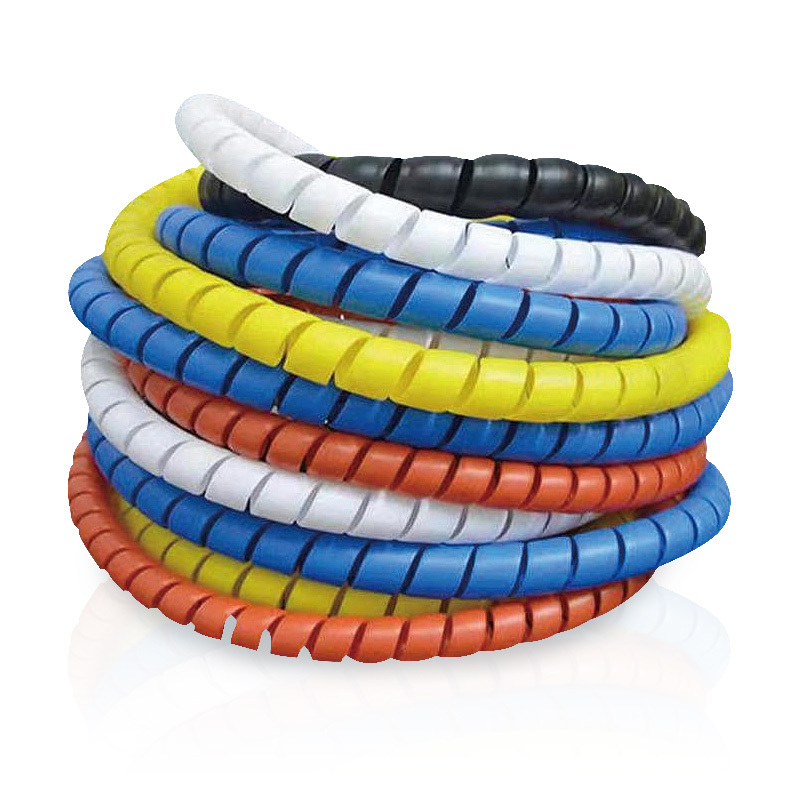
Spiral protective sleeves are typically made from durable materials, such as **polyethylene** or **nylon**, designed to wrap around wires and cables. The spiral design allows for flexibility and ease of installation while providing **robust protection** against abrasions, impacts, and chemical exposure. These sleeves are particularly useful in environments where cables may be subject to movement or friction, providing both protection and organization.
2.1 The Construction of Spiral Sleeves
The construction of spiral sleeves involves high-quality materials engineered for strength and resilience. Factors like **thickness**, **heat resistance**, and **chemical compatibility** are critical in determining the sleeve's effectiveness in specific applications. The spiral structure not only offers flexibility but also allows for quick installation and removal, making it an ideal solution for various electrical setups.
2.2 Types of Spiral Protective Sleeves
There are several types of spiral protective sleeves available on the market, each tailored for different applications. Common types include:
- **Standard nylon sleeves**: Ideal for general-purpose use, providing decent abrasion resistance.
- **Chemical-resistant sleeves**: Designed for environments where exposure to harsh chemicals is a concern.
- **Heat-resistant sleeves**: Suitable for high-temperature applications, ensuring cables remain protected under extreme conditions.
3. The Benefits of Investing in Quality Spiral Protective Sleeves
Investing in quality spiral protective sleeves brings several advantages that extend beyond mere protection of cables and wires.
3.1 Enhanced Safety
One of the primary benefits of spiral protective sleeves is improved safety. By providing a protective layer, these sleeves minimize the risk of short circuits, electrical fires, and cable damage, ensuring both the system's and personnel's safety.
3.2 Improved Durability and Longevity
Quality spiral sleeves are built to withstand various environmental factors, enhancing the lifespan of the cables they protect. By reducing wear and tear, these sleeves ensure that your electrical systems remain operational for longer periods, reducing the need for frequent replacements.
3.3 Cost-Efficiency Over Time
While the initial investment in high-quality spiral sleeves may be higher than cheaper alternatives, the long-term savings they offer are substantial. By safeguarding cables, these sleeves reduce maintenance costs and prevent costly downtime caused by cable failures.
4. Applications of Spiral Protective Sleeves in Electrical Systems
Spiral protective sleeves find applications in a wide array of industries where electrical systems are prevalent. Understanding where these sleeves are used can highlight their significance.
4.1 Manufacturing and Automation
In manufacturing environments, where machinery and equipment operate continuously, spiral sleeves protect the wiring from abrasion and wear caused by constant movement.
4.2 Automotive Industry
The automotive sector heavily relies on spiral protective sleeves to shield wiring harnesses from heat, chemicals, and physical damage, ensuring vehicle safety and performance.
4.3 Renewable Energy Installations
In solar and wind energy applications, these sleeves protect cables from environmental exposure, increasing the reliability of renewable energy systems.
5. How to Choose the Right Spiral Protective Sleeve
Selecting the appropriate spiral protective sleeve is crucial for maximizing protection and functionality. Consider the following factors:
5.1 Material Selection
Choose a material that matches the specific demands of your application. Assess factors like temperature range, chemical exposure, and mechanical stress to determine the best fit.
5.2 Size and Fit
Proper sizing is essential to ensure that the sleeve fits snugly around the cables without being too tight or too loose. A well-fitted sleeve will provide optimal protection and organization.
5.3 Purpose and Application
Identify the environment in which the sleeve will be used. For example, if your cables will be exposed to chemicals, opt for chemical-resistant sleeves.
6. Installation and Maintenance of Spiral Protective Sleeves
The installation process for spiral protective sleeves is straightforward, making them user-friendly for professionals and DIY enthusiasts alike.
6.1 Installation Steps
1. **Measure the cables** to determine the appropriate sleeve size.
2. **Cut the sleeve** to the desired length, allowing for some overlap.
3. **Wrap the sleeve** around the cables in a spiral motion, ensuring it covers the entire length.
4. **Secure the ends** with cable ties or clamps to prevent the sleeve from slipping.
6.2 Maintenance Tips
Regular inspections of the spiral sleeves are advisable to ensure they remain intact and functional. Look for signs of wear, such as fraying or discoloration, and replace any damaged sleeves promptly to maintain cable protection.
7. Cost vs. Value: Making Smart Investments
When it comes to spiral protective sleeves, weighing cost against value is essential. While lower-priced options may be tempting, they often lack the durability and protective qualities of higher-quality alternatives. Investing in quality sleeves may require a larger upfront cost, but the value they provide through enhanced safety, durability, and long-term savings cannot be overlooked.
8. Conclusion: Prioritizing Quality in Electrical Safety
In conclusion, investing in quality spiral protective sleeves is not just a matter of choice; it is a necessity for ensuring the safety and longevity of electrical systems. These sleeves provide essential protection against environmental hazards, wear, and mechanical stress. By understanding the various types, benefits, and applications of spiral protective sleeves, we can make informed decisions that prioritize safety and efficiency in our electrical installations.
9. Frequently Asked Questions (FAQs)
What are spiral protective sleeves used for?
Spiral protective sleeves are used to protect electrical wires and cables from abrasion, impacts, and environmental hazards, enhancing safety and durability.
Can I use spiral protective sleeves in high-temperature environments?
Yes, there are heat-resistant spiral protective sleeves specifically designed for high-temperature applications to protect cables from heat damage.
How do I select the right size for spiral protective sleeves?
Measure the diameter of the cables you wish to cover and choose a sleeve that provides a snug fit without being too tight.
Are spiral protective sleeves easy to install?
Yes, spiral protective sleeves are user-friendly and can be easily installed by wrapping them around the cables and securing the ends.
Do I need to maintain spiral protective sleeves?
Regular inspections are recommended to check for signs of wear or damage. Replace any damaged sleeves promptly to ensure continued protection for your cables.
By investing in quality spiral protective sleeves, we can significantly enhance the safety and longevity of our electrical systems, ensuring they operate efficiently and reliably.
Keywords:
You Can Also Learn More About Industry Trends


Specializing In The Research And Development And Sales Of Hydraulic Products


Contact Us
Phone/Whatsapp
+8613933722213 / +8613933744887
Address
No. 158, Xiaotun Automobile and Motorcycle Industrial Zone, Qinghe County, Hebei Province