


How to Choose the Best Location for Your Mobile Hydraulic Oil Cooler
Release Time:
May 14,2026
How to Choose the Best Location for Your Mobile Hydraulic Oil Cooler Choosing the right location for your mobile hydraulic oil cooler is crucial for ensuring optimal performance and longevity of your hydraulic systems. A poorly positioned cooler can lead to inefficiencies, increased wear, and ultimately, costly downtime. In this guide, we will explore the various factors that affect the positionin
How to Choose the Best Location for Your Mobile Hydraulic Oil Cooler
Choosing the right location for your mobile hydraulic oil cooler is crucial for ensuring optimal performance and longevity of your hydraulic systems. A poorly positioned cooler can lead to inefficiencies, increased wear, and ultimately, costly downtime. In this guide, we will explore the various factors that affect the positioning of your hydraulic oil cooler, offering you a comprehensive understanding of how to make the best choice.
Table of Contents
- Understanding Mobile Hydraulic Oil Coolers
- The Importance of Location
- Key Factors Influencing Location
- Environmental Considerations
- Performance Optimization Techniques
- Maintenance and Accessibility
- Case Studies: Best Practices
- Frequently Asked Questions (FAQs)
- Conclusion
Understanding Mobile Hydraulic Oil Coolers
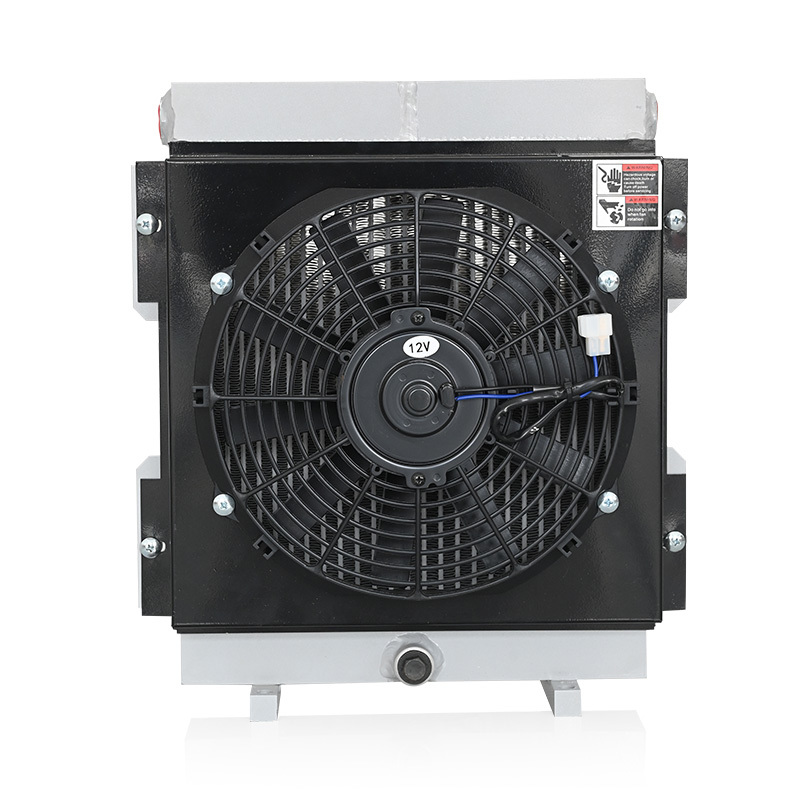
Mobile hydraulic oil coolers are essential components in hydraulic systems, designed to regulate the temperature of hydraulic fluids. By maintaining optimal fluid temperatures, these coolers contribute to enhanced system efficiency, reduced wear and tear, and improved overall equipment longevity.
The cooler operates by transferring heat from the hydraulic fluid to the surrounding air or water, depending on the cooler's design. Understanding the operational principles of your hydraulic oil cooler is key to making informed decisions about its placement.
Types of Mobile Hydraulic Oil Coolers
There are two primary types of mobile hydraulic oil coolers: air-cooled and water-cooled. Each type has distinct advantages and considerations for placement.
- **Air-Cooled**: These coolers utilize airflow to dissipate heat. They are typically easier to install but require adequate air circulation for optimal performance.
- **Water-Cooled**: These coolers use water as a cooling medium and are often more efficient in heat transfer. However, they require a water source and a more complex installation process.
Understanding the type of cooler you are working with will influence your choice of location.
The Importance of Location
The location of your mobile hydraulic oil cooler plays a pivotal role in its effectiveness. Proper placement can enhance the cooler's ability to dissipate heat, which directly impacts the performance of your hydraulic system.
When the cooler is situated in a favorable environment, it can efficiently maintain hydraulic fluid temperatures, leading to improved performance and reduced risk of failure. Conversely, poor location can result in overheating, which negatively affects the entire system.
Consequences of Poor Placement
- **Increased Thermal Stress**: Inadequate cooling can lead to overheating, resulting in thermal stress on hydraulic components.
- **Reduced Efficiency**: Overheated fluids decrease the viscosity, leading to poorer performance and reduced hydraulic power.
- **Shorter Equipment Lifespan**: Consistent overheating can cause premature wear and tear on the hydraulic system, leading to costly repairs or replacements.
Choosing the right location is not just about immediate performance; it's about ensuring the longevity of your hydraulic equipment.
Key Factors Influencing Location
When determining the best location for your mobile hydraulic oil cooler, several key factors must be considered:
1. Airflow and Ventilation
Sufficient airflow is essential for the efficient operation of air-cooled hydraulic oil coolers. Ensure that the cooler is placed where it can receive unobstructed airflow. Avoid locations near walls, machinery, or other obstacles that may hinder ventilation.
2. Proximity to Hydraulic Components
Positioning the cooler close to the hydraulic components it serves can reduce the length of the fluid lines and minimize heat transfer losses. However, ensure that the placement does not compromise airflow.
3. Environmental Conditions
Consider environmental factors such as temperature extremes, humidity, and exposure to contaminants. Protecting the cooler from harsh conditions can enhance its performance and longevity.
4. Accessibility for Maintenance
Ensure that the cooler is easily accessible for maintenance and inspections. Regular maintenance is critical to keeping the cooler functioning efficiently, so consider how often it will need servicing when choosing its location.
5. Vibration and Shock Resistance
Mobile hydraulic systems can be subject to vibrations and shocks. Ensure the cooler is mounted in a location that minimizes the impact of these forces, as excessive vibration can lead to mechanical failure.
6. Weight Distribution
When installing your hydraulic oil cooler in mobile applications, consider the weight distribution. An uneven load can affect the stability of the equipment, leading to handling and operational issues.
Environmental Considerations
Understanding the environment in which your hydraulic oil cooler operates is crucial for its longevity and performance. Here are some key environmental factors to consider:
Temperature Extremes
High ambient temperatures can increase the demand on your hydraulic system. If your cooler is located in an area exposed to direct sunlight or high heat, consider additional shielding or ventilation solutions.
Humidity and Moisture
Excessive humidity can lead to condensation within the system, potentially causing damage. Ensure that your cooler is located in a dry area or equipped with moisture protection.
Contaminants
Dust, dirt, and other contaminants can clog the cooler and reduce its efficiency. Install the cooler in a location that minimizes exposure to these harmful elements.
Performance Optimization Techniques
To ensure your mobile hydraulic oil cooler operates at its best, consider implementing these optimization techniques:
1. Utilize Fans or Airflow Enhancers
For air-cooled systems, adding fans or airflow enhancers can significantly improve cooling efficiency. Ensure that these are positioned to direct airflow toward the cooler.
2. Regular Maintenance and Cleaning
Establish a maintenance routine that includes regular cleaning of the cooler's fins and external components. This will help maintain optimal airflow and cooling performance.
3. Monitor Operating Temperatures
Use temperature monitoring devices to keep track of the hydraulic fluid temperatures. This data can help identify potential cooling issues early and allow for prompt corrective actions.
4. Implement Heat Exchangers
In some applications, incorporating additional heat exchangers can improve overall cooling efficiency. Evaluate your system's design and fluid flow to determine if this is a viable option.
Maintenance and Accessibility
Accessibility for maintenance is often overlooked, yet it is critical for the long-term performance of your hydraulic oil cooler. Here are some tips to ensure easy access:
1. Strategic Placement
Choose a location that allows for quick access to the cooler without the need for extensive disassembly of other components.
2. Easy-to-Remove Covers
Ensure that any protective covers or housing around the cooler can be easily removed for cleaning and inspection.
3. Clear Pathways
Maintain clear pathways around the cooler to facilitate quick access during maintenance checks.
Case Studies: Best Practices
Exploring real-world case studies can provide valuable insights into best practices for locating mobile hydraulic oil coolers.
Case Study 1: Construction Equipment
In a construction setting, a company positioned their mobile hydraulic oil cooler near the rear of their excavator. This location provided ample airflow while remaining close to the hydraulic components. They also installed a fan to enhance airflow, resulting in optimal temperature management even in hot weather conditions.
Case Study 2: Agricultural Machinery
An agricultural machinery manufacturer located their hydraulic oil cooler in a shaded area to minimize heat exposure. By doing so, they reduced overheating incidents and improved performance during peak usage times.
Frequently Asked Questions (FAQs)
1. What is the ideal temperature range for hydraulic oil?
Maintaining hydraulic oil temperatures between 90°F to 140°F (32°C to 60°C) is generally recommended for optimal performance.
2. How can I tell if my hydraulic cooler is functioning correctly?
Monitor the hydraulic fluid temperature. If temperatures exceed recommended limits, check the cooler for blockages or insufficient airflow.
3. Is it better to place the cooler in a shaded area?
Yes, placing the cooler in a shaded area can help maintain lower temperatures and improve cooling efficiency.
4. Can I install a hydraulic cooler indoors?
Yes, but ensure that there is sufficient ventilation to allow for proper heat dissipation.
5. How often should I maintain my hydraulic cooler?
Regular maintenance is recommended every three to six months, depending on usage and environmental conditions.
Conclusion
Selecting the best location for your mobile hydraulic oil cooler is critical to the performance and longevity of your hydraulic systems. By considering factors such as airflow, proximity to components, environmental conditions, and maintenance accessibility, you can make an informed decision that will enhance the efficiency of your hydraulic equipment. Implementing best practices and monitoring for potential issues will ensure your hydraulic oil cooler operates at peak performance, safeguarding your investment for years to come.
Keywords:
You Can Also Learn More About Industry Trends


Specializing In The Research And Development And Sales Of Hydraulic Products


Contact Us
Phone/Whatsapp
+8613933722213 / +8613933744887
Address
No. 158, Xiaotun Automobile and Motorcycle Industrial Zone, Qinghe County, Hebei Province