


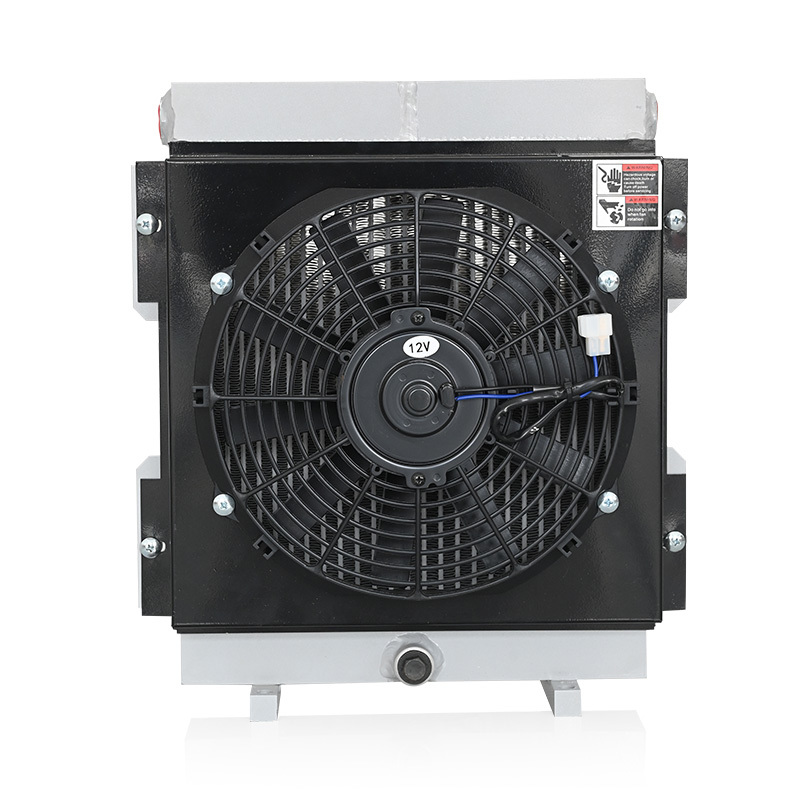

Understanding Hydraulic Oil Coolers: Essential Components for Efficient Industrial Operations
Release Time:
May 15,2026
Hydraulic oil coolers play a crucial role in the management of heat generated by hydraulic systems. In any industrial application where hydraulic fluids are used, heat is generated due to mechanical work and fluid friction. If this heat is not effectively dissipated, it can lead to reduced efficiency, increased wear, and ultimately system failure. Therefore, understanding the function and importan
The primary function of a hydraulic oil cooler is to remove excess heat from the hydraulic fluid. These coolers utilize various cooling methods, including air cooling and water cooling, to maintain the fluid temperature within an optimal range. The design of a hydraulic oil cooler typically includes a heat exchanger, where hot hydraulic oil passes through tubes or channels that transfer heat to a cooling medium. The efficiency of this heat exchange process is critical to the overall performance of any hydraulic system.
In addition to their cooling capabilities, hydraulic oil coolers also contribute to improving energy efficiency. By maintaining the hydraulic fluid at the right temperature, these units help prevent overheating, which can lead to increased energy consumption as the system works harder to maintain performance. This not only affects operational costs but also impacts the environmental footprint of industrial operations.
When selecting a hydraulic oil cooler, several factors need to be considered to ensure optimal performance. The size and capacity of the cooler should match the specific requirements of the hydraulic system it serves. Factors such as flow rate, the temperature of the hydraulic oil, and the ambient conditions must all be taken into account. Proper installation and maintenance are equally important. Regular inspections, cleaning, and ensuring that there are no obstructions in airflow can significantly enhance the performance and longevity of the cooler.
In conclusion, hydraulic oil coolers are indispensable components of hydraulic systems in industrial settings. They not only aid in maintaining the efficiency and reliability of the equipment but also contribute to cost savings and sustainability. Understanding how these coolers function and their importance in an industrial context can empower users to make informed decisions regarding their maintenance and selection, ultimately leading to more efficient operations. By prioritizing the care of hydraulic oil coolers, businesses can ensure that their hydraulic systems remain in peak condition, ready to meet the demands of modern industrial applications.
Keywords:
You Can Also Learn More About Industry Trends


Specializing In The Research And Development And Sales Of Hydraulic Products


Contact Us
Phone/Whatsapp
+8613933722213 / +8613933744887
Address
No. 158, Xiaotun Automobile and Motorcycle Industrial Zone, Qinghe County, Hebei Province