


Understanding Flexible Shaft Couplings: A Key Component in Industrial Equipment
Release Time:
May 23,2026
Flexible shaft couplings are mechanical devices that connect two shafts, allowing for a degree of misalignment while transmitting torque and rotational motion. They are designed to accommodate both angular and axial misalignments, making them essential in various industrial applications. The flexibility of these couplings ensures that vibrations and shocks from the connected machinery are absorbed
In industrial settings, flexible shaft couplings are utilized in a wide range of machinery, including motors, pumps, gearboxes, and conveyors. These couplings can help to mitigate the effects of misalignment that can occur due to thermal expansion, wear and tear, or installation errors. By accommodating these misalignments, flexible shaft couplings reduce the risk of mechanical failure, which can lead to costly downtime and repairs.
One of the primary advantages of using flexible shaft couplings is their ability to reduce noise and vibration. In many industrial applications, excessive vibration can lead to operational inefficiencies and increased wear on machinery components. By incorporating a flexible coupling, industries can achieve smoother operation and quieter performance, which is particularly beneficial in sensitive environments where noise reduction is critical.
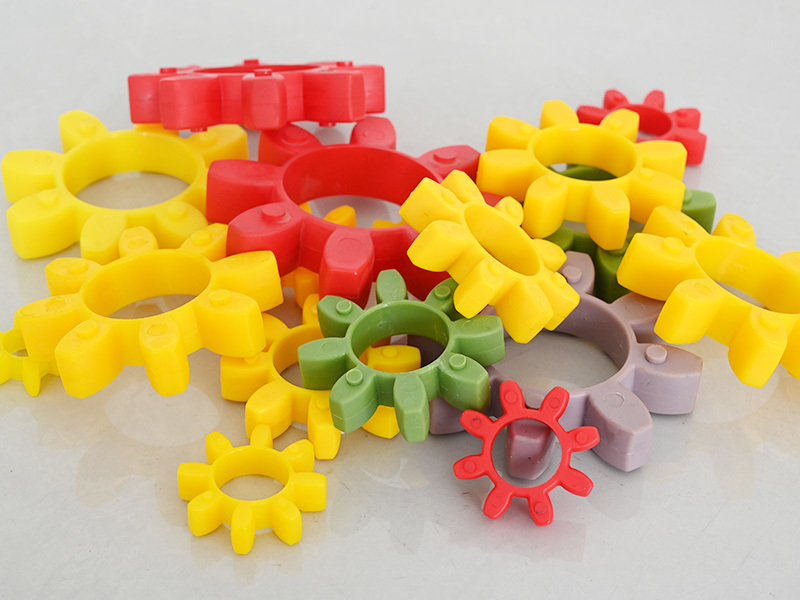
When selecting a flexible shaft coupling, it is important to consider several factors, including the type of misalignment, the torque requirements, and the operating environment. Various types of flexible couplings are available, such as elastomeric, metallic, and composite designs, each offering unique properties suited to different applications. For instance, elastomeric couplings are ideal for applications requiring significant damping properties, while metallic couplings may be chosen for high-torque situations.
Additionally, the material of the coupling plays a significant role in its performance. Common materials include rubber, polyurethane, aluminum, and stainless steel. Each material has distinct attributes, including flexibility, strength, and resistance to environmental factors such as temperature and chemicals. Therefore, understanding the specific requirements of your application can guide you in selecting the most suitable flexible shaft coupling.
In conclusion, flexible shaft couplings are integral components in the industrial equipment landscape, offering solutions to misalignment challenges while enhancing the performance and longevity of machinery. By investing in the right type of flexible coupling, organizations can ensure a reliable and efficient operation, ultimately contributing to their overall productivity and success in the competitive industrial sector.
Keywords:
You Can Also Learn More About Industry Trends

Specializing In The Research And Development And Sales Of Hydraulic Products


Contact Us
Phone/Whatsapp
+8613933722213 / +8613933744887
Address
No. 158, Xiaotun Automobile and Motorcycle Industrial Zone, Qinghe County, Hebei Province