


Common Mistakes to Avoid When Using Spiral Protective Sleeves for Electrical Systems
Release Time:
Dec 04,2025
Common Mistakes to Avoid When Using Spiral Protective Sleeves for Electrical Systems Introduction to Spiral Protective Sleeves Spiral protective sleeves are vital components in the electrical and electronic industries, designed to safeguard wires and cables from abrasions, cuts, and environmental damage. Their unique spiral design allows for flexibility and adaptability, making them an excellent c
Common Mistakes to Avoid When Using Spiral Protective Sleeves for Electrical Systems
Introduction to Spiral Protective Sleeves
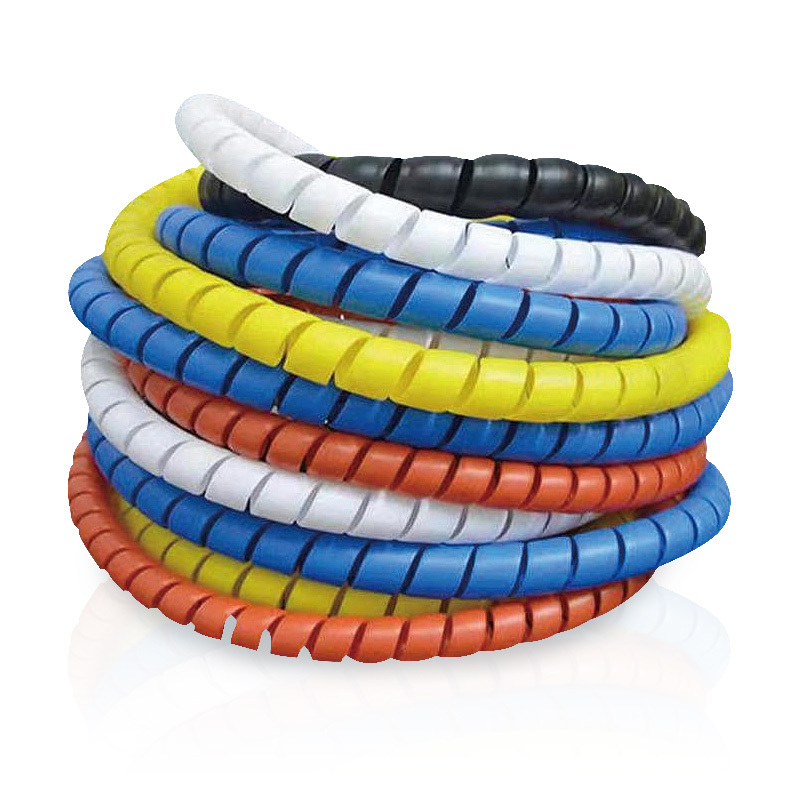
Spiral protective sleeves are vital components in the electrical and electronic industries, designed to safeguard wires and cables from abrasions, cuts, and environmental damage. Their unique spiral design allows for flexibility and adaptability, making them an excellent choice for various applications. However, many users encounter challenges when using these sleeves, leading to potential hazards and inefficiencies. Understanding and avoiding these common mistakes can significantly enhance the performance and longevity of your electrical systems.
Table of Contents
- Mistake 1: Not Assessing Cable Size Before Selection
- Mistake 2: Ignoring the Environmental Conditions
- Mistake 3: Improper Installation Techniques
- Mistake 4: Overloading Protective Sleeves
- Mistake 5: Skipping Regular Maintenance Checks
- Mistake 6: Neglecting to Use Additional Protection
- Mistake 7: Using Incompatible Materials
- Conclusion
- FAQs
Mistake 1: Not Assessing Cable Size Before Selection
One of the most common errors made by electricians is failing to assess the size of cables before selecting spiral protective sleeves. Choosing a sleeve that is either too tight or too loose can lead to several issues, including inadequate protection and increased wear and tear on the cables. To avoid this mistake, always measure the diameter of the cable accurately and select a sleeve that fits snugly without compromising flexibility.
Mistake 2: Ignoring the Environmental Conditions
Environmental factors play a crucial role in determining the effectiveness of spiral protective sleeves. Many users overlook the specific environmental conditions where the cables will be installed, such as exposure to UV light, extreme temperatures, or chemical agents. It is imperative to choose sleeves made from materials that can withstand these conditions, ensuring optimal protection and performance over time.
Mistake 3: Improper Installation Techniques
The installation process can significantly impact the performance of spiral protective sleeves. Common mistakes include not properly spiraling the sleeve around the cable or failing to secure the ends effectively. This can result in movement during operation, leading to abrasion and potential damage to the underlying cables. For proper installation, ensure the sleeve is applied in a consistent spiral manner and use cable ties or clamps to secure it at both ends.
Mistake 4: Overloading Protective Sleeves
Overloading spiral protective sleeves by bundling too many cables together can lead to friction and heat buildup, compromising the integrity of the sleeves and potentially causing cable failure. It is essential to follow the manufacturer's guidelines regarding the recommended number of cables per sleeve. This not only prevents overheating but also allows for easier maintenance and troubleshooting in the future.
Mistake 5: Skipping Regular Maintenance Checks
Many professionals neglect the importance of regular maintenance checks on spiral protective sleeves. Over time, wear and tear can occur, leading to compromised protection. Scheduled inspections allow for early detection of any damage, ensuring timely replacements or repairs before serious issues arise. Incorporating maintenance checks into your standard operating procedures can save time and resources in the long run.
Mistake 6: Neglecting to Use Additional Protection
While spiral protective sleeves offer valuable protection, they should not be the only line of defense for your electrical systems. Many users make the mistake of relying solely on sleeves without considering additional protective measures, such as heat shrink tubing or additional insulation. Combining different protective solutions can provide enhanced safeguards against environmental factors and mechanical stress, ultimately extending the life of your electrical installations.
Mistake 7: Using Incompatible Materials
The choice of materials for spiral protective sleeves is critical. Using incompatible materials that do not align with the specific cables or environmental conditions can lead to degradation, chemical reactions, or even fires. Always check compatibility with the cables you are using and consider factors like temperature tolerance, chemical resistance, and flexibility when selecting materials.
Conclusion
In conclusion, avoiding these common mistakes when using spiral protective sleeves is essential for maintaining the integrity and efficiency of your electrical systems. By carefully assessing cable sizes, considering environmental conditions, employing proper installation techniques, and scheduling regular maintenance checks, you can ensure that your protective solutions are effective. Additionally, combining spiral sleeves with other protective measures and ensuring material compatibility will further enhance your systems’ resilience against wear and damage. By implementing these best practices, you can safeguard your investments and extend the lifespan of your electrical installations.
FAQs
1. What are spiral protective sleeves used for?
Spiral protective sleeves are designed to protect cables and wires from abrasion, cuts, and environmental damage, enhancing their durability and lifespan.
2. How do I choose the right size spiral protective sleeve?
Measure the diameter of the cable accurately and select a sleeve that fits snugly without being overly tight or loose.
3. Can spiral protective sleeves be used in high-temperature environments?
Yes, but it’s crucial to select sleeves made from materials that can withstand high temperatures to ensure effectiveness.
4. How often should I inspect my spiral protective sleeves?
Regular inspections should be scheduled, ideally quarterly or bi-annually, to check for signs of wear and tear.
5. Are there any additional protective measures I should consider?
Yes, combining spiral protective sleeves with heat shrink tubing and other insulation can provide enhanced protection against environmental factors and mechanical stress.
Keywords:
You Can Also Learn More About Industry Trends


Specializing In The Research And Development And Sales Of Hydraulic Products


Contact Us
Phone/Whatsapp
+8613933722213 / +8613933744887
Address
No. 158, Xiaotun Automobile and Motorcycle Industrial Zone, Qinghe County, Hebei Province