


The Essential Guide to Hydraulic Oil Coolers: Enhancing Efficiency in Industrial Equipment
Release Time:
Dec 06,2025
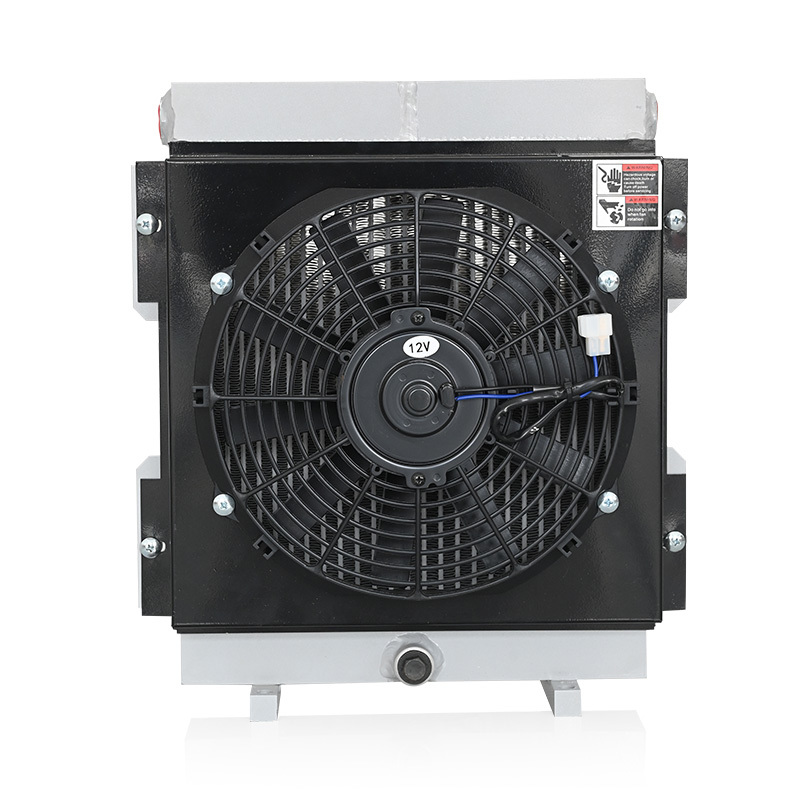
Hydraulic systems are pivotal in a multitude of industrial applications, providing power and motion control for machinery. However, these systems generate significant heat during operation, which can lead to decreased performance, component wear, and even system failure. This is where hydraulic oil coolers come into play. They are designed to regulate the temperature of hydraulic fluids, ensuring
A hydraulic oil cooler functions by dissipating heat from the hydraulic fluid, which circulates through the system. Coolers can use several methods to achieve this, including air-cooled, water-cooled, or even heat exchanger technologies. The choice of cooler type often depends on the specific requirements of the application, including available space, environmental conditions, and the volume of fluid that needs to be cooled.
One of the primary benefits of using a hydraulic oil cooler is its ability to enhance the efficiency of hydraulic systems. By maintaining an optimal temperature, these coolers help ensure that the hydraulic oil retains its lubricating and cooling properties, which is essential for the smooth operation of machinery. Furthermore, by preventing overheating, hydraulic oil coolers can significantly extend the life of hydraulic components, reducing maintenance costs and downtime.
When selecting a hydraulic oil cooler, several factors should be considered. Firstly, determine the cooling capacity required based on the system's heat load. This involves understanding the operating conditions, such as fluid flow rates and temperature differentials. Additionally, the cooler's design should accommodate the available installation space while ensuring easy access for maintenance.
Regular maintenance of hydraulic oil coolers is crucial for optimal performance. It’s essential to periodically check for any blockages in the cooling pathways, clean the cooler surfaces, and monitor fluid levels. This proactive approach can prevent potential issues before they escalate, ensuring uninterrupted operation.
In summary, hydraulic oil coolers are integral to the efficiency and reliability of hydraulic systems in industrial environments. By selecting the appropriate cooler and adhering to maintenance best practices, businesses can optimize their hydraulic systems, leading to enhanced performance and reduced operational costs. Investing time and resources into understanding and implementing effective cooling solutions can yield significant long-term benefits for any industrial operation.
Keywords:
You Can Also Learn More About Industry Trends


Specializing In The Research And Development And Sales Of Hydraulic Products


Contact Us
Phone/Whatsapp
+8613933722213 / +8613933744887
Address
No. 158, Xiaotun Automobile and Motorcycle Industrial Zone, Qinghe County, Hebei Province