


The Essential Guide to Hydraulic Oil Coolers: Enhancing Efficiency and Longevity
Release Time:
Feb 08,2026
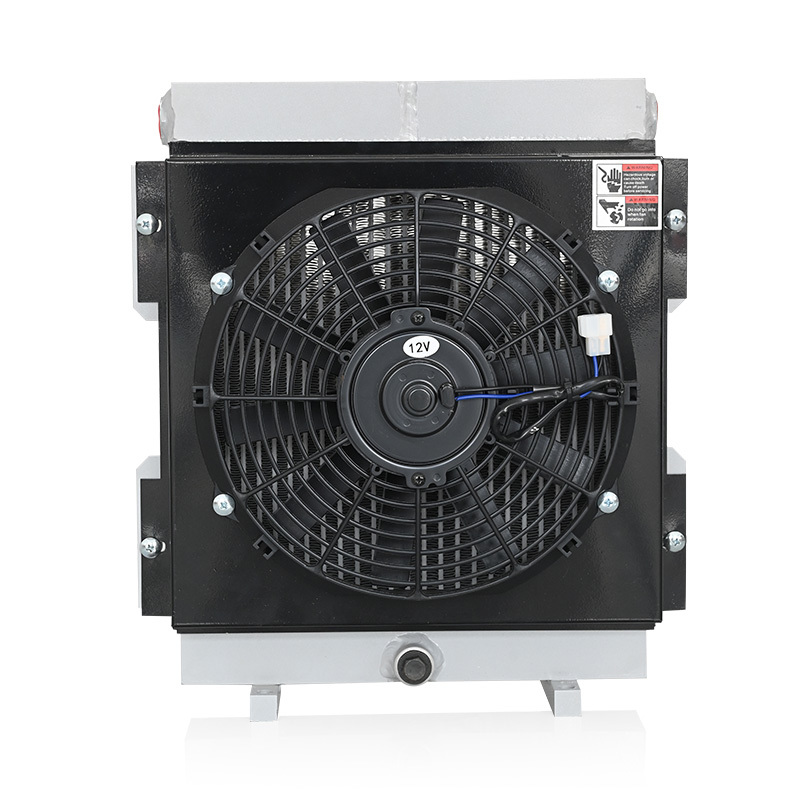
Hydraulic systems are fundamental to a wide range of industrial applications, and managing the temperature of hydraulic oil is essential for ensuring efficient operation. This is where hydraulic oil coolers come into play. These devices are designed to dissipate heat generated by hydraulic fluid as it circulates through a system, thereby maintaining optimal temperature levels and preventing overhe
One of the primary roles of hydraulic oil coolers is to maintain the viscosity of the hydraulic fluid. When hydraulic oil overheats, its viscosity decreases, leading to poor lubrication and increased wear on components. A hydraulic oil cooler effectively regulates temperature, ensuring that the fluid remains within its ideal operating range. This not only protects the integrity of the hydraulic system but also contributes to the overall efficiency of the machinery, allowing for smoother operation and reduced energy consumption.
Moreover, hydraulic oil coolers can extend the lifespan of hydraulic components. Elevated temperatures can cause seals and hoses to deteriorate more rapidly, resulting in leaks and costly downtime. By keeping the hydraulic oil at a stable temperature, these coolers mitigate the risks associated with thermal degradation, thereby reducing maintenance costs and extending the service life of your equipment.
There are various types of hydraulic oil coolers available, including air-cooled and water-cooled models. Air-cooled hydraulic oil coolers utilize ambient air to cool the hydraulic fluid, making them ideal for applications where water is not readily available. On the other hand, water-cooled coolers use water as a heat exchange medium, often providing superior cooling efficiency. When selecting a hydraulic oil cooler, consider factors such as the specific heat load of your system, environmental conditions, and available resources.
Installation and maintenance of hydraulic oil coolers are also critical factors that can influence their performance. Proper installation ensures optimal flow rates and heat exchange efficiency, which are vital for effective cooling. Regular maintenance, including cleaning the cooling fins and checking for leaks, is necessary to ensure that the cooler operates at peak performance. Neglecting these aspects can lead to reduced efficiency and increased risk of system failure.
In conclusion, hydraulic oil coolers play a crucial role in maintaining the performance and reliability of hydraulic systems in industrial applications. By effectively managing oil temperatures, they enhance efficiency, reduce wear, and extend the lifespan of hydraulic components. Investing in a quality hydraulic oil cooler and ensuring proper installation and maintenance can lead to significant long-term benefits for your operations.
Keywords:
You Can Also Learn More About Industry Trends


Specializing In The Research And Development And Sales Of Hydraulic Products


Contact Us
Phone/Whatsapp
+8613933722213 / +8613933744887
Address
No. 158, Xiaotun Automobile and Motorcycle Industrial Zone, Qinghe County, Hebei Province