


Understanding Flexible Shaft Couplings: Essential Components in Industrial Equipment
Release Time:
Feb 16,2026
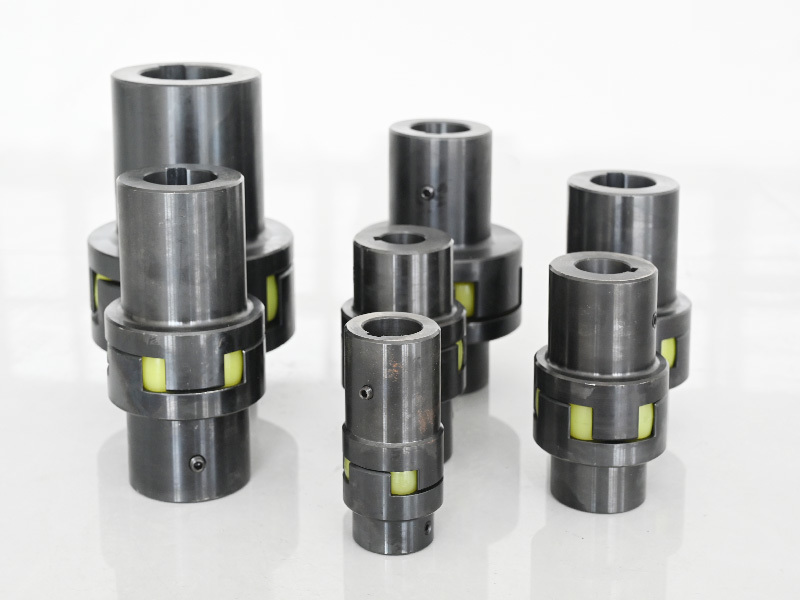
Flexible shaft couplings are critical components in various industrial applications, particularly in the realm of machinery and equipment. As part of the broader category of couplings, they play a vital role in connecting two shafts while accommodating misalignments and fluctuations in torque. Their unique design allows them to effectively transmit power between rotating parts, making them invalua
One of the standout features of flexible shaft couplings is their ability to absorb shock and vibration. In many industrial setups, machinery operates under varying loads, which can lead to unexpected torque spikes. Flexible couplings are engineered to handle these stresses, thereby protecting both the motor and driven equipment from damage. This shock-absorbing capability is crucial for maintaining operational efficiency and prolonging the lifespan of machinery.
In addition to their shock-absorbing properties, flexible shaft couplings are adept at compensating for misalignments. Misalignment can occur due to several factors, including thermal expansion, uneven wear, or installation errors. Flexible couplings allow for angular, parallel, and axial misalignments without compromising performance. This adaptability ensures that the connected shafts maintain optimal contact, reducing the risk of excessive wear and tear.
Various materials and designs are available for flexible shaft couplings, each suited for different applications. Common types include elastic couplings, bellows couplings, and diaphragm couplings. Each type offers distinct advantages based on factors such as the level of flexibility required, the amount of torque being transferred, and environmental considerations, such as exposure to chemicals or extreme temperatures. Understanding the specific requirements of your application will facilitate selecting the most suitable coupling type.
Moreover, the installation and maintenance of flexible shaft couplings are relatively straightforward. Proper installation is essential to maximize their benefits; ensuring correct alignment during setup will significantly enhance their performance. Regular inspections and maintenance can help identify potential issues before they escalate, ensuring continued reliability and efficiency.
In summary, flexible shaft couplings are indispensable components in industrial machinery that offer significant benefits such as shock absorption, alignment compensation, and ease of maintenance. Their versatile applications across various industries underscore their importance in promoting operational efficiency and extending the lifespan of equipment. By understanding the functionality and advantages of flexible shaft couplings, professionals can make informed decisions that enhance their machinery's performance and reliability.
Keywords:
You Can Also Learn More About Industry Trends


Specializing In The Research And Development And Sales Of Hydraulic Products


Contact Us
Phone/Whatsapp
+8613933722213 / +8613933744887
Address
No. 158, Xiaotun Automobile and Motorcycle Industrial Zone, Qinghe County, Hebei Province