



Servo Motor Brackets: Essential Components for Automotive Electric Motors
Release Time:
Feb 18,2026
Servo Motor Brackets: Essential Components for Automotive Electric Motors Table of Contents 1. Introduction to Servo Motor Brackets 2. Importance of Servo Motor Brackets in Automotive Applications 3. Design Features of Servo Motor Brackets 4. Materials Used in Servo Motor Bracket Construction 5. Applications of Servo Motor Brackets in Automotive Electric Motors 6. Enhancin
Servo Motor Brackets: Essential Components for Automotive Electric Motors
Table of Contents
- 1. Introduction to Servo Motor Brackets
- 2. Importance of Servo Motor Brackets in Automotive Applications
- 3. Design Features of Servo Motor Brackets
- 4. Materials Used in Servo Motor Bracket Construction
- 5. Applications of Servo Motor Brackets in Automotive Electric Motors
- 6. Enhancing Performance with Servo Motor Brackets
- 7. Installation Tips for Servo Motor Brackets
- 8. Maintenance and Care for Servo Motor Brackets
- 9. Conclusion
- 10. Frequently Asked Questions (FAQs)
1. Introduction to Servo Motor Brackets
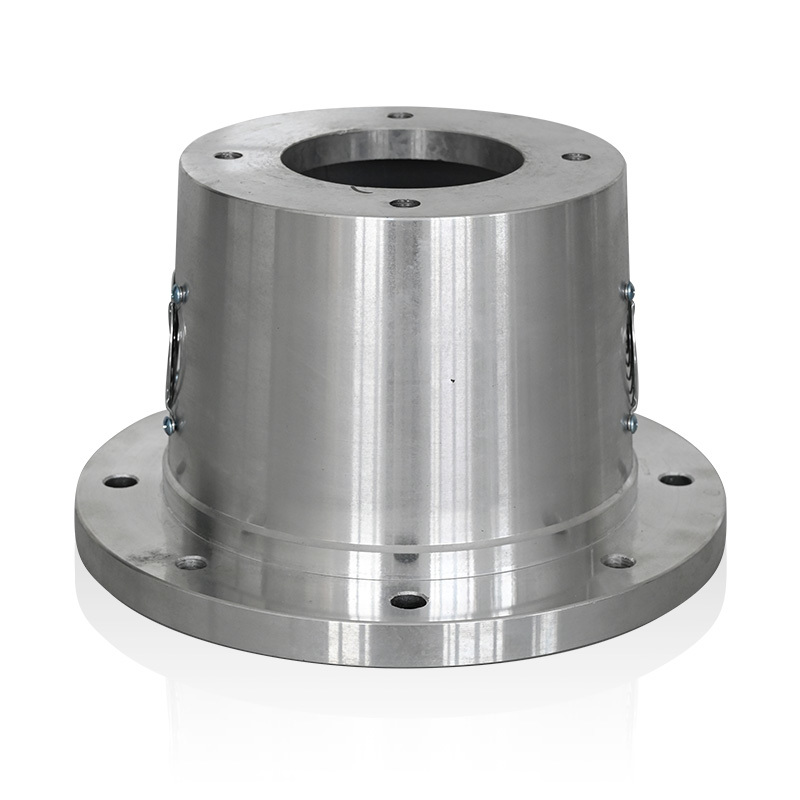
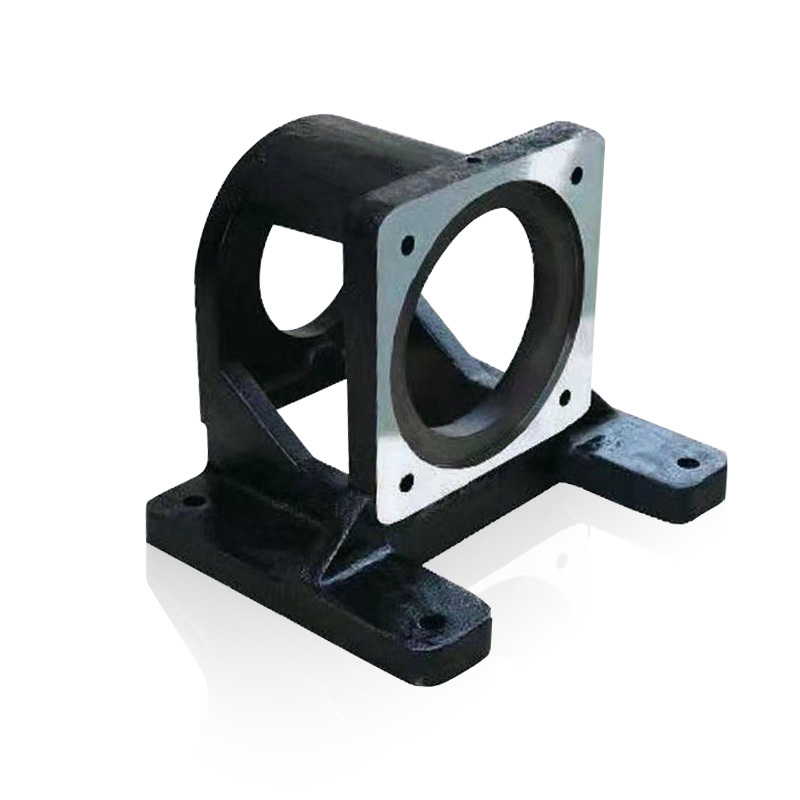
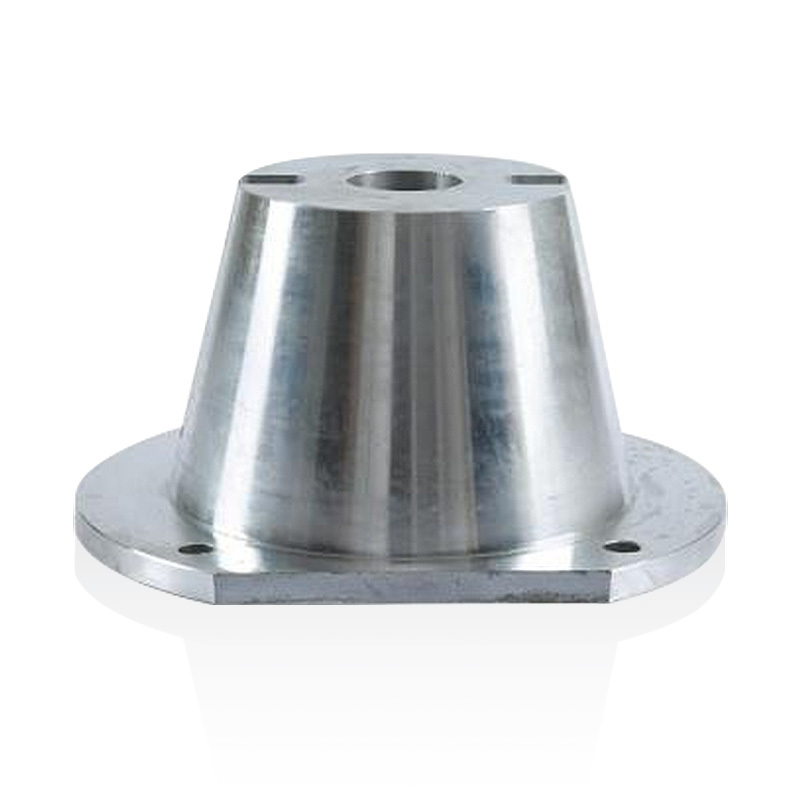
In the realm of automotive engineering, **servo motor brackets** serve as indispensable components in the structure and functionality of electric motors. These brackets are designed to hold and stabilize servo motors, ensuring optimal performance and reliability. As the automotive industry increasingly shifts toward electric solutions, understanding the role of these brackets becomes crucial for manufacturers, engineers, and vehicle enthusiasts alike.
2. Importance of Servo Motor Brackets in Automotive Applications
Servo motors are pivotal in executing precise movements and control in electric vehicles (EVs) and hybrid systems. The **importance of servo motor brackets** cannot be overstated; they provide:
- **Structural Support**: Brackets maintain the integrity of the motor, preventing vibrations and misalignments that could lead to operational failures.
- **Heat Management**: Properly designed brackets can assist in dissipating heat generated during motor operation, enhancing overall efficiency.
- **Facilitating Maintenance**: Easy access to motors for maintenance and repairs is facilitated by well-placed brackets.
The integration of these brackets into automotive systems directly correlates with the longevity and performance of electric motors, ultimately influencing vehicle efficiency.
3. Design Features of Servo Motor Brackets
The design of servo motor brackets is meticulously crafted to meet the demands of modern automotive applications. Key design features include:
3.1 Adjustability and Flexibility
- **Adjustable Designs**: Many brackets are designed with adjustable features to accommodate different motor sizes and configurations. This flexibility allows manufacturers to utilize a single bracket design across multiple models.
3.2 Lightweight Structures
- **Material Selection**: Utilizing lightweight materials enhances fuel efficiency without compromising strength. Engineers often prefer aluminum or advanced composite materials.
3.3 Aerodynamic Profiles
- **Reduced Drag**: The design often considers aerodynamics to minimize drag, thereby enhancing the vehicle's overall efficiency.
3.4 Integration with Other Components
- **System Compatibility**: Modern brackets are designed to integrate seamlessly with other automotive components, including cooling systems and electrical wiring, creating a cohesive assembly.
4. Materials Used in Servo Motor Bracket Construction
The choice of materials for servo motor brackets is critical in determining their performance and durability. Common materials include:
4.1 Aluminum Alloys
- **Lightweight and Strong**: Aluminum brackets are favored for their high strength-to-weight ratio, making them ideal for automotive applications.
4.2 Steel
- **Durability and Resilience**: While heavier, steel brackets provide unmatched durability and can withstand higher loads and stresses.
4.3 Composite Materials
- **Innovative Solutions**: Advanced composites are gaining popularity due to their excellent strength and lightweight properties, often used in high-end electric vehicles.
5. Applications of Servo Motor Brackets in Automotive Electric Motors
Servo motor brackets find applications across various automotive systems. Some notable uses include:
5.1 Electric Power Steering (EPS)
- EPS systems utilize servo motors for precise steering adjustments. Brackets secure these motors, ensuring smooth operation and responsiveness.
5.2 Transmission Systems
- Servo motors in automatic transmissions rely on robust brackets for consistent performance, contributing to seamless gear shifts.
5.3 HVAC Systems
- Climate control systems benefit from servo motors for regulating airflow and temperature, with brackets providing stability and mounting solutions.
5.4 Active Suspension Systems
- Servo motors play a crucial role in adjusting suspension settings. Brackets ensure these motors remain securely positioned for optimal vehicle handling.
6. Enhancing Performance with Servo Motor Brackets
The performance of automotive electric motors can be significantly enhanced through the thoughtful design and placement of servo motor brackets.
6.1 Vibration Dampening
- Properly mounted brackets reduce vibrations transmitted to the motor, minimizing wear and tear while enhancing operational stability.
6.2 Improved Heat Dissipation
- Brackets that facilitate airflow around the motor can help in maintaining optimal operating temperatures, thereby improving efficiency.
6.3 Precision Control
- The rigidity and alignment provided by high-quality brackets allow for more precise control of the servo motors, translating to better vehicle performance.
7. Installation Tips for Servo Motor Brackets
Successful installation of servo motor brackets is essential for achieving optimal performance. Consider the following tips:
7.1 Use Manufacturer Specifications
- Always refer to the manufacturer’s guidelines for installation to ensure correct dimensions and torque specifications.
7.2 Proper Alignment
- Ensure that the bracket is aligned correctly with the motor and other components to prevent unnecessary strain and potential failures.
7.3 Secure Fastening
- Use the appropriate fasteners and ensure they are tightened to the specified torque to maintain the stability of the assembly.
7.4 Regular Inspections
- Conduct routine checks to ensure that brackets remain securely fastened and free from wear or damage.
8. Maintenance and Care for Servo Motor Brackets
Regular maintenance of servo motor brackets is vital for preserving their function and extending the lifespan of the associated motors.
8.1 Visual Inspections
- Regularly inspect brackets for signs of wear, corrosion, or damage.
8.2 Lubrication
- Ensure that moving parts associated with the brackets are adequately lubricated to reduce friction and wear.
8.3 Replacement Protocols
- Establish a routine for replacing worn-out brackets, particularly in high-stress applications to prevent unexpected failures.
9. Conclusion
Servo motor brackets are crucial components in automotive electric motors, playing a significant role in the performance, reliability, and efficiency of modern vehicles. By understanding their design, materials, applications, and maintenance, automotive engineers and manufacturers can optimize their use, ensuring enhanced vehicle performance and longevity. Emphasizing the importance of these brackets in the evolving landscape of the automotive industry is pivotal as we embrace an electric future.
10. Frequently Asked Questions (FAQs)
1. What are servo motor brackets?
Servo motor brackets are structural components that hold and stabilize servo motors in automotive applications, ensuring proper alignment and functionality.
2. Why are servo motor brackets important?
They provide structural support, enhance cooling efficiency, and facilitate easier maintenance, which is critical for the performance and longevity of electric motors.
3. What materials are commonly used for servo motor brackets?
Common materials include aluminum alloys, steel, and advanced composites, chosen for their strength, weight, and durability.
4. How can I ensure proper installation of servo motor brackets?
Refer to the manufacturer's specifications, ensure proper alignment, and use secure fastening methods to guarantee stability.
5. What maintenance is required for servo motor brackets?
Regular visual inspections, lubrication of moving parts, and timely replacement of worn-out brackets are essential for maintaining optimal performance.
Keywords:
You Can Also Learn More About Industry Trends


Specializing In The Research And Development And Sales Of Hydraulic Products


Contact Us
Phone/Whatsapp
+8613933722213 / +8613933744887
Address
No. 158, Xiaotun Automobile and Motorcycle Industrial Zone, Qinghe County, Hebei Province