


Understanding Jaw Couplings: A Vital Component in Industrial Equipment
Release Time:
Feb 24,2026
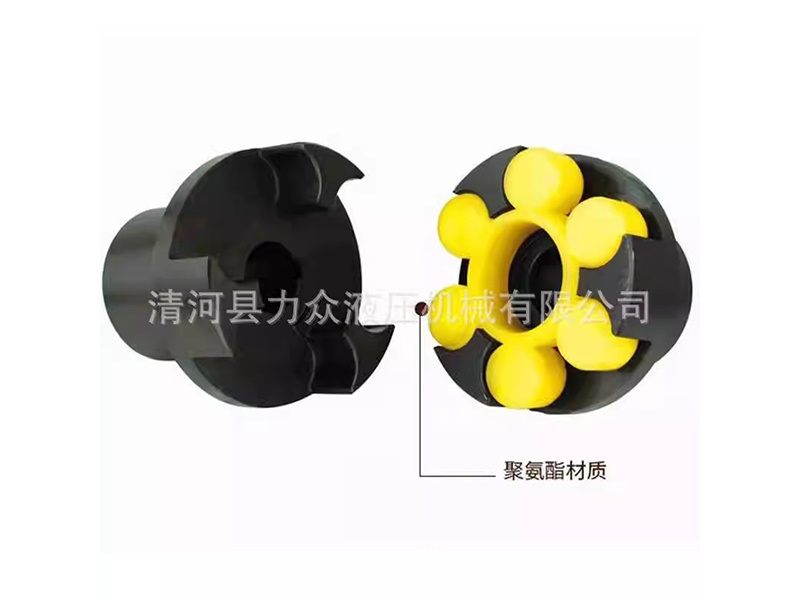
Jaw couplings are essential components widely used in various industrial applications, particularly in the realm of power transmission between rotating machinery. These couplings consist of two main parts: the jaw hubs and the elastic element in between, typically made from a durable polymer material. The design of jaw couplings allows them to accommodate misalignment, absorb shock loads, and redu
One of the primary functions of a jaw coupling is to connect two shafts while compensating for any misalignment that may occur during operation. This is especially crucial in environments where machinery can shift due to thermal expansion or mechanical wear. The flexible nature of the elastomeric component allows for a degree of angular, parallel, and axial misalignment, thereby minimizing wear on the shafts and bearings, which can lead to increased maintenance costs and potential downtime.
The applications of jaw couplings are diverse, spanning across various industries including manufacturing, automotive, food processing, and packaging. They are commonly employed in conveyor systems, pumps, and electric motors, where the reliable transfer of torque is paramount. Additionally, their ability to handle moderate to high torque loads makes them suitable for machinery that operates under high stress.
Another key advantage of jaw couplings is their simple design, which facilitates easy installation and maintenance. Unlike other coupling types that may require specialized tools or expertise for installation, jaw couplings can typically be installed with standard tools, saving time and labor costs. Furthermore, their robust construction ensures long service life, reducing the frequency of replacements.
When selecting a jaw coupling, it is important to consider factors such as load capacity, misalignment tolerance, and the specific application requirements. While jaw couplings are versatile, they are not universal solutions; understanding the operational demands of your machinery will ensure optimal performance and longevity.
In summary, jaw couplings play a crucial role in the functionality of various industrial equipment. Their unique design, ease of installation, and ability to accommodate misalignment make them a preferred choice for many engineers and maintenance professionals. By investing in quality jaw couplings, industries can ensure efficient power transmission, reduced wear and tear, and ultimately, increased productivity. Embracing the benefits of jaw couplings is a strategic decision that can lead to significant operational improvements in any industrial setting.
Keywords:
You Can Also Learn More About Industry Trends


Specializing In The Research And Development And Sales Of Hydraulic Products


Contact Us
Phone/Whatsapp
+8613933722213 / +8613933744887
Address
No. 158, Xiaotun Automobile and Motorcycle Industrial Zone, Qinghe County, Hebei Province