


How to Choose the Right Motor Damping Strip for Optimal Performance
Release Time:
Feb 26,2026
How to Choose the Right Motor Damping Strip for Optimal Performance Choosing the right motor damping strip is crucial for ensuring optimal performance in your vehicle. A well-chosen damping strip not only minimizes vibrations but also enhances the longevity and efficiency of the motor systems in your vehicle. In this guide, we will explore the various factors that influence the selection of the
How to Choose the Right Motor Damping Strip for Optimal Performance
Choosing the right motor damping strip is crucial for ensuring optimal performance in your vehicle. A well-chosen damping strip not only minimizes vibrations but also enhances the longevity and efficiency of the motor systems in your vehicle. In this guide, we will explore the various factors that influence the selection of the right damping strips and provide insights into achieving the best results.
Table of Contents
- 1. What is a Motor Damping Strip?
- 2. Importance of Motor Damping Strips in Vehicle Performance
- 3. Different Types of Motor Damping Strips
- 4. Factors to Consider When Choosing a Motor Damping Strip
- 5. Material Options for Damping Strips
- 6. Installation Tips for Motor Damping Strips
- 7. Maintenance and Care of Damping Strips
- 8. Frequently Asked Questions
- 9. Conclusion
1. What is a Motor Damping Strip?
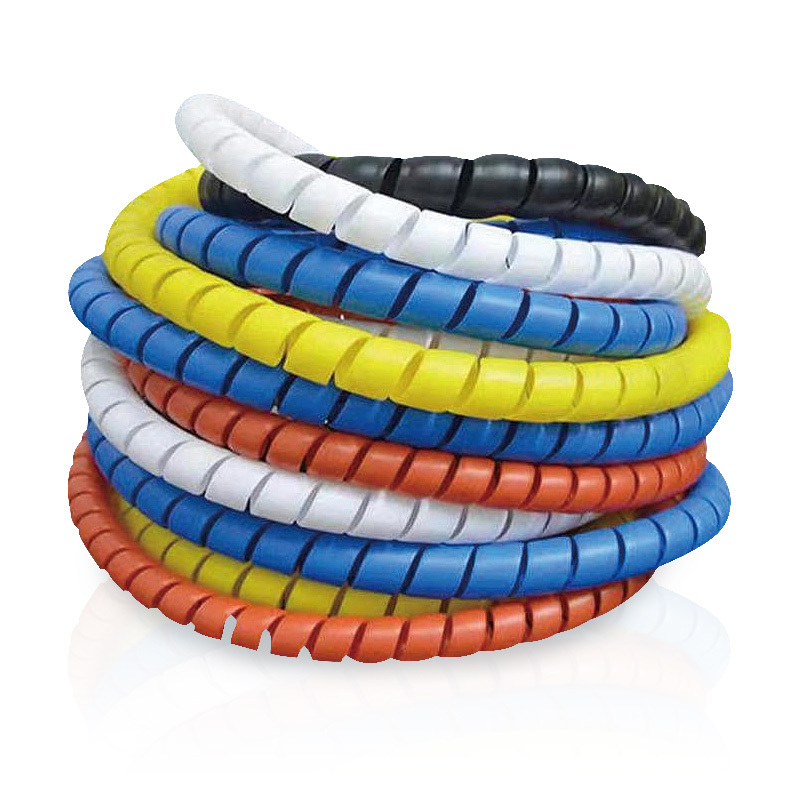
A motor damping strip is a specialized component designed to absorb and dampen vibrations produced by the motor and its associated systems. These strips are typically made from advanced materials that provide flexibility and strength, effectively reducing noise and vibration transfer throughout the vehicle. By doing so, they contribute to a smoother driving experience and protect other components from wear and tear caused by excessive vibrations.
Understanding the Mechanism of Action
The primary function of a motor damping strip involves its ability to absorb vibrational energy. When the engine operates, it generates vibrations that can propagate through the body of the vehicle. A damping strip counteracts these vibrations by converting vibrational energy into thermal energy, thereby minimizing the impact on other components. This mechanism is vital for maintaining the overall performance and comfort of the vehicle.
2. Importance of Motor Damping Strips in Vehicle Performance
Motor damping strips play a significant role in enhancing the performance and longevity of automotive systems. Here are several reasons why they are essential:
- Noise Reduction: Proper damping can significantly reduce engine noise, making for a quieter cabin experience.
- Extended Component Life: By minimizing vibrations, damping strips protect sensitive components from premature wear and damage.
- Improved Handling: Reduced vibrations contribute to better handling and response from the vehicle, enhancing driver control.
- Comfort: A smoother ride translates to a more comfortable driving experience for passengers.
3. Different Types of Motor Damping Strips
There are various types of motor damping strips available on the market, each designed for specific applications and performance requirements. Understanding the differences is crucial for making the right choice:
Foam Damping Strips
Foam damping strips are lightweight and flexible, offering good vibration absorption properties. They are often used in passenger vehicles for noise reduction.
Rubber Damping Strips
Rubber strips provide excellent durability and resilience, making them suitable for high-performance vehicles. They withstand harsh conditions while effectively dampening vibrations.
Composite Damping Strips
Composite materials combine the benefits of different substances, offering superior performance characteristics. These strips are often used in specialized applications where traditional materials may fall short.
4. Factors to Consider When Choosing a Motor Damping Strip
When selecting a motor damping strip, several factors should be taken into account to ensure optimal performance:
Application Specificity
The intended use of the damping strip is crucial. Different vehicles and motor types may require specific damping characteristics.
Weight and Dimensions
Ensure that the damping strip matches the weight and dimensions required by your vehicle. An ill-fitting strip can lead to ineffective performance.
Temperature Resistance
Consider the operating temperatures your vehicle may encounter. Damping strips need to withstand these temperatures without degrading.
Cost vs. Quality
While it may be tempting to choose the cheapest option, investing in a high-quality damping strip can save you money in the long run by protecting your vehicle's components.
5. Material Options for Damping Strips
The choice of material for motor damping strips directly impacts their performance and durability. Here are some common materials:
EPDM Rubber
Ethylene Propylene Diene Monomer (EPDM) rubber offers excellent resistance to weathering, heat, and ozone, making it a popular choice for outdoor applications.
Neoprene
Neoprene is another robust material known for its resilience against temperature fluctuations, chemicals, and physical stress.
Silicone
Silicone damping strips are highly flexible and can withstand extreme temperatures, making them ideal for high-performance and racing applications.
6. Installation Tips for Motor Damping Strips
Proper installation is vital for maximizing the effectiveness of motor damping strips. Here are some tips to ensure a successful installation:
Preparation
Before installation, clean the surfaces where the damping strip will be applied. Remove any old adhesive, dirt, or grease to ensure a strong bond.
Alignment
Carefully align the damping strip with the designated area. Ensure it is straight and correctly positioned to avoid any functional issues.
Adhesive Use
If the damping strip requires adhesive, choose one that is compatible with the material of the strip and surface. Follow the manufacturer’s instructions for the best results.
7. Maintenance and Care of Damping Strips
To ensure the longevity of your damping strips, regular maintenance is essential. Here are some care tips:
Regular Inspections
Regularly check your damping strips for signs of wear, cracking, or degradation. Early detection can prevent costly repairs.
Cleaning
Keep the damping strips clean by washing them with mild soap and water to remove debris and contaminants that may compromise their performance.
Replacement
Replace damping strips as needed, especially if they show significant wear or damage. Waiting too long can lead to more extensive issues in the vehicle.
8. Frequently Asked Questions
Q1: How often should I replace my motor damping strips?
A1: It’s recommended to check your damping strips every 6-12 months for wear and tear. Replace them if you notice any significant damage.
Q2: Can I install motor damping strips myself?
A2: Yes, with the right tools and instructions, many car owners can install damping strips themselves. However, professional installation is advised for optimal results.
Q3: What are the signs of a failing damping strip?
A3: Signs include increased vibrations, unusual noises, and visible wear or cracking on the strip itself.
Q4: Are more expensive damping strips always better?
A4: Not necessarily. While higher-priced options often offer better materials and durability, it’s essential to consider your specific needs and budget.
Q5: How do I know which type of damping strip is best for my vehicle?
A5: Consult your vehicle’s manufacturer guidelines, and consider the type of driving you do and the environment in which your vehicle operates.
9. Conclusion
Selecting the right motor damping strip is essential for ensuring optimal performance and longevity of your vehicle. By understanding the various types, materials, and installation techniques, vehicle owners can make informed decisions that enhance their driving experience. Regular maintenance and timely replacements further contribute to the effectiveness of damping strips, preventing unnecessary wear on other components. Armed with the knowledge from this guide, you are now equipped to choose the right motor damping strip for your needs, ensuring a smoother and more efficient ride.
Keywords:
You Can Also Learn More About Industry Trends


Specializing In The Research And Development And Sales Of Hydraulic Products


Contact Us
Phone/Whatsapp
+8613933722213 / +8613933744887
Address
No. 158, Xiaotun Automobile and Motorcycle Industrial Zone, Qinghe County, Hebei Province