



Understanding Hydraulic Oil Tank Manhole Covers: Essential Insights for Automotive Professionals
Release Time:
Feb 28,2026
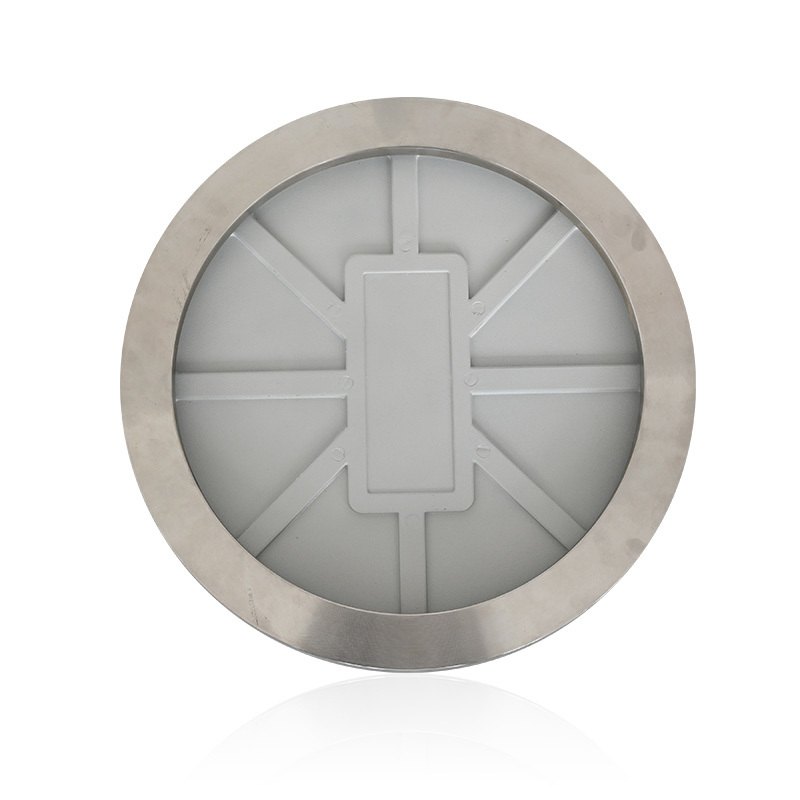
Hydraulic oil tank manhole covers play a vital role in the maintenance and functionality of hydraulic systems in automotive engines. These covers are designed to provide access to the hydraulic oil tank, enabling technicians to perform inspections, maintenance, and necessary repairs. Understanding the significance of these covers can help automotive professionals ensure the longevity and efficienc
One of the primary functions of a hydraulic oil tank manhole cover is to protect the hydraulic fluid from contamination. The oil within hydraulic systems is crucial for ensuring the proper operation of various components, including valves, pumps, and actuators. A secure and well-designed manhole cover prevents dirt, moisture, and other contaminants from entering the tank, which can lead to hydraulic fluid degradation and system failure.
Another essential feature of these manhole covers is their ability to provide a seal that maintains pressure within the hydraulic system. Pressure control is critical for the efficient functioning of hydraulic components, and a compromised seal can lead to leaks and reduced performance. Automotive professionals must regularly inspect these covers for signs of wear or damage, as a faulty cover can result in costly repairs and downtime.
The materials used in manufacturing hydraulic oil tank manhole covers are also significant. Typically, they are made from durable materials that can withstand the harsh conditions of automotive environments, including exposure to various chemicals, high temperatures, and mechanical stress. Common materials include steel and high-grade polymers, which offer a balance of strength and resistance to corrosive substances.
In addition to their protective and sealing functions, hydraulic oil tank manhole covers often feature integrated safety features. These may include pressure relief valves or locking mechanisms to prevent accidental opening during operation. Understanding these features is crucial for automotive professionals responsible for the maintenance of hydraulic systems, as they enhance safety and operational reliability.
Maintenance of hydraulic oil tank manhole covers is essential. Regular checks for tightness, signs of wear, and integrity of seals should be part of routine service procedures. When replacing or repairing a manhole cover, it is important to follow manufacturer specifications to ensure compatibility and performance.
In conclusion, hydraulic oil tank manhole covers are a small yet critical component within the automotive engine system. By ensuring these covers are well-maintained and functioning properly, automotive professionals can enhance the reliability and efficiency of hydraulic systems, ultimately leading to improved vehicle performance and safety. Understanding their importance will aid in better decision-making regarding maintenance strategies and system upgrades, contributing to the overall success of automotive operations.
Keywords:
You Can Also Learn More About Industry Trends


Specializing In The Research And Development And Sales Of Hydraulic Products


Contact Us
Phone/Whatsapp
+8613933722213 / +8613933744887
Address
No. 158, Xiaotun Automobile and Motorcycle Industrial Zone, Qinghe County, Hebei Province