


Spiral Protective Sleeves: A Comprehensive Guide to Material Choices for Ultimate Protection
Release Time:
Mar 02,2026
Spiral Protective Sleeves: A Comprehensive Guide to Material Choices for Ultimate Protection Introduction to Spiral Protective Sleeves Spiral protective sleeves play a vital role in electrical control systems, offering a much-needed layer of protection for wires and cables. In an industry where electrical safety is paramount, the choice of material for these protective sleeves can significantly im
Spiral Protective Sleeves: A Comprehensive Guide to Material Choices for Ultimate Protection
Introduction to Spiral Protective Sleeves
Spiral protective sleeves play a vital role in electrical control systems, offering a much-needed layer of protection for wires and cables. In an industry where electrical safety is paramount, the choice of material for these protective sleeves can significantly impact the durability and functionality of electrical installations. This guide aims to provide an in-depth analysis of the various materials available for spiral protective sleeves, their benefits, and how to choose the right option for your specific needs.
What are Spiral Protective Sleeves?
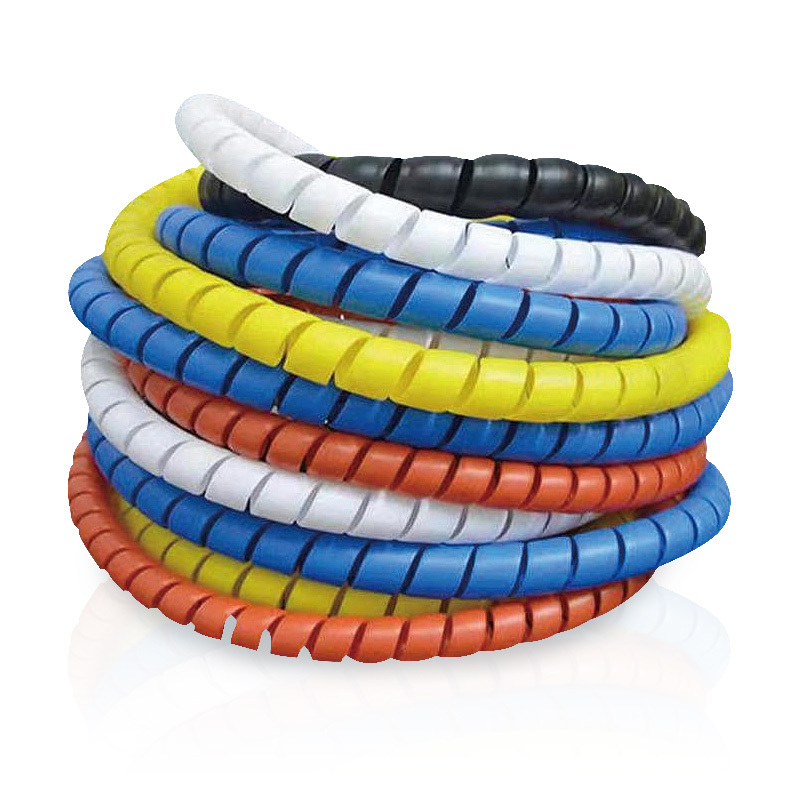
Spiral protective sleeves are flexible tubing designed to wrap around cables and wires. They help protect electrical systems from mechanical damage, abrasion, chemical exposure, and environmental factors. By using spiral sleeves, companies can ensure that their wiring remains intact and functional, reducing downtime and maintenance costs.
The Importance of Material Selection
Choosing the right material for spiral protective sleeves is crucial. Different environments, applications, and potential hazards affect the performance and longevity of these sleeves. In this section, we will explore various materials commonly used in the production of spiral protective sleeves.
Common Materials for Spiral Protective Sleeves
1. Polyethylene (PE)
Polyethylene is a widely used material for spiral protective sleeves due to its excellent chemical resistance and durability. It is lightweight, flexible, and can withstand a range of temperatures. PE sleeves are ideal for applications where exposure to chemicals and moisture is a concern, making them suitable for outdoor and industrial environments.
Advantages of Polyethylene Spiral Sleeves
- **Chemical Resistance:** Offers protection against a variety of chemicals, preventing degradation.
- **Lightweight and Flexible:** Easy to install and manipulate around corners and bends.
- **Cost-Effective:** Generally lower in cost compared to other materials, making it an economical choice.
2. Polyvinyl Chloride (PVC)
PVC is another popular choice for spiral protective sleeves, thanks to its high strength and resistance to both moisture and chemicals. PVC sleeves are available in various colors and sizes, making them versatile for different applications.
Key Benefits of PVC Spiral Sleeves
- **Durability:** Known for its toughness, PVC is resistant to impacts and abrasions.
- **Flame Retardant Options:** Certain PVC sleeves are treated to be flame retardant, enhancing safety in electrical applications.
- **Variety of Colors:** Allows for easy identification and organization of cables.
3. Nylon
Nylon spiral protective sleeves are valued for their high tensile strength and resistance to heat and chemicals. They are suitable for high-performance applications that require exceptional durability and flexibility.
Benefits of Nylon Spiral Sleeves
- **High Heat Resistance:** Can withstand higher temperatures, ideal for industrial settings.
- **Excellent Abrasion Resistance:** Provides superior protection against wear and tear.
- **Long-Lasting:** Known for a longer lifespan compared to many other materials.
4. Polypropylene (PP)
Polypropylene is a lightweight, durable plastic that offers excellent chemical resistance. It is commonly used in environments where moisture exposure is a concern. The flexibility of polypropylene allows for easy installation around complex cable arrangements.
Advantages of Polypropylene Spiral Sleeves
- **Moisture Resistance:** Perfect for wet environments and applications.
- **Good Electrical Insulation:** Provides a measure of electrical insulation, adding an extra layer of protection.
- **Recyclable:** A more environmentally friendly option that can be reused.
5. Steel and Metal Mesh
For applications requiring extra protection, steel or metal mesh spiral sleeves are available. These provide robust mechanical protection against impacts and cuts, making them suitable for high-risk environments.
Benefits of Steel and Metal Mesh Sleeves
- **Extreme Durability:** Offers unparalleled protection against physical damage.
- **High-Temperature Resistance:** Can withstand a wide range of temperatures.
- **Long-Lasting Life:** Metal options tend to have longer service lives under harsh conditions.
Choosing the Right Spiral Protective Sleeve Material
The decision on which material to choose for spiral protective sleeves depends on several factors, including environmental conditions, the type of cables being protected, and specific application requirements. Here are some considerations to keep in mind:
1. Environmental Factors
Evaluate the environment where your cables will be installed. Will they be exposed to chemicals, moisture, or extreme temperatures? Understanding these factors will help determine the most suitable material.
2. Cable Type and Size
Different cables may require specific sleeve sizes or materials. Ensure compatibility with the cables' diameter and insulation type to maximize protection.
3. Flexibility and Installation
Consider how flexible the sleeve needs to be. In applications where cables must bend or twist, a more flexible material like PE or PVC may be necessary.
4. Budget and Cost
While some materials may offer superior protection, they can also come at a higher price. Evaluate your budget constraints and long-term maintenance costs to determine the best value material.
Applications of Spiral Protective Sleeves
Spiral protective sleeves are utilized across various industries, owing to their versatility and effectiveness in safeguarding electrical systems.
1. Automotive Industry
In automotive applications, spiral protective sleeves help shield wiring harnesses from abrasion and exposure to elements, contributing to vehicle longevity and performance.
2. Industrial and Manufacturing
Within warehouses and manufacturing plants, protective sleeves prevent damage to cables used in machinery and equipment, ensuring operational safety and efficiency.
3. Construction Sites
On construction sites, spiral sleeves protect electrical wiring from physical damage and moisture, minimizing the risk of electrical hazards.
4. Telecommunications
Telecommunications networks rely on spiral protective sleeves to maintain the integrity of cables, particularly in outdoor installations exposed to harsh weather conditions.
Frequently Asked Questions (FAQs)
1. What are spiral protective sleeves made of?
Spiral protective sleeves can be made from various materials, including polyethylene, PVC, nylon, polypropylene, and metal mesh, depending on the specific application requirements.
2. How do I choose the right material for my spiral sleeves?
Consider factors such as the environment, type and size of the cables, flexibility, and budget when selecting the appropriate material for spiral protective sleeves.
3. Are spiral protective sleeves easy to install?
Yes, most spiral protective sleeves are designed for easy installation and can be manipulated around bends and complex cable arrangements.
4. Can spiral protective sleeves be reused?
Some materials, especially nylon and polypropylene, can be reused as long as they are not damaged. However, assess their condition before reinstallation.
5. How do I clean spiral protective sleeves?
Cleaning methods depend on the material. Generally, a mild soap solution and soft cloth can be used to wipe down the sleeves, ensuring they are dry before reinstallation.
Conclusion
Spiral protective sleeves are essential components in safeguarding electrical control systems from damage and wear. The material selection plays a critical role in determining the efficiency and longevity of these protective sleeves. By understanding the various materials available, their unique benefits, and how to choose the right option based on specific needs, we can ensure that our electrical systems remain safe and operational. Whether you’re working in the automotive, industrial, or telecommunications sectors, the right spiral protective sleeve can make all the difference in maintaining reliability and performance in your electrical installations.
Keywords:
You Can Also Learn More About Industry Trends


Specializing In The Research And Development And Sales Of Hydraulic Products


Contact Us
Phone/Whatsapp
+8613933722213 / +8613933744887
Address
No. 158, Xiaotun Automobile and Motorcycle Industrial Zone, Qinghe County, Hebei Province