


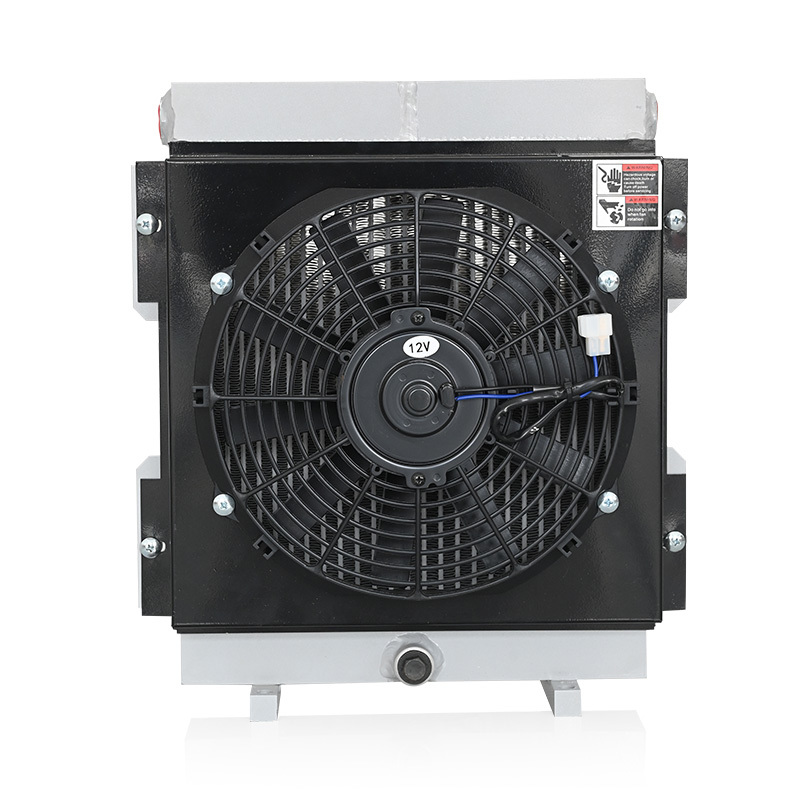

Maximizing Efficiency with Hydraulic Oil Coolers in Industrial Equipment
Release Time:
Mar 04,2026
Hydraulic oil coolers are essential components in the realm of industrial equipment, particularly in applications where high temperatures can degrade hydraulic fluids and reduce system efficiency. These coolers play a vital role in maintaining optimal operating temperatures, thereby preventing overheating and ensuring the longevity of hydraulic systems. Understanding the mechanics behind hydraulic
The primary function of a hydraulic oil cooler is to dissipate heat generated during the hydraulic system's operation. As hydraulic fluid circulates through the system, it absorbs heat from components such as pumps and actuators. The cooler utilizes a heat exchange process, typically employing air or water as a cooling medium, to transfer this heat away from the hydraulic fluid. By effectively lowering the temperature of the oil, the cooler helps maintain the fluid's viscosity and performance characteristics, which are critical for smooth operation.
When selecting a hydraulic oil cooler, professionals should consider several factors to ensure optimal performance. The size and type of cooler must match the specific requirements of the hydraulic system. Factors such as flow rate, temperature differential, and ambient conditions can significantly influence the choice of cooler design. For instance, air-cooled systems are often advantageous in environments where water is not readily available, while water-cooled systems may provide superior heat dissipation in high-temperature settings.
Maintenance of hydraulic oil coolers is another key aspect that cannot be overlooked. Regular inspections for debris accumulation, corrosion, and leaks are essential to ensure the cooler operates efficiently. Clogged cooler cores can lead to increased temperatures, reducing the overall effectiveness of the system. Therefore, implementing a routine maintenance schedule can help identify potential issues before they escalate, ensuring consistent performance and minimizing costly downtimes.
Furthermore, understanding the thermal properties of the hydraulic oil itself is crucial. Oil with a high thermal stability can withstand higher temperatures without breaking down, thus enhancing the cooler's effectiveness. It is advisable to monitor the oil's condition regularly, checking for signs of degradation and replacing it as necessary to maintain optimal system performance.
In conclusion, hydraulic oil coolers are integral to the efficiency and reliability of industrial hydraulic systems. By understanding their operation, selecting the appropriate type, and adhering to a rigorous maintenance schedule, professionals can significantly enhance the performance and longevity of their equipment. Emphasizing these aspects will lead to improved operational efficiency, reduced downtime, and ultimately, greater profitability in industrial applications.
Keywords:
You Can Also Learn More About Industry Trends


Specializing In The Research And Development And Sales Of Hydraulic Products


Contact Us
Phone/Whatsapp
+8613933722213 / +8613933744887
Address
No. 158, Xiaotun Automobile and Motorcycle Industrial Zone, Qinghe County, Hebei Province