


Exploring Different Types of Hydraulic Pump Bell Housings: A Comprehensive Guide
Release Time:
Mar 06,2026
Exploring Different Types of Hydraulic Pump Bell Housings Available Hydraulic pump bell housings play a crucial role in the performance and efficiency of hydraulic systems, especially within the automotive and industrial sectors. Understanding the different types of bell housings available is essential for optimizing your hydraulic systems. In this comprehensive guide, we will delve into the vario
Exploring Different Types of Hydraulic Pump Bell Housings Available
Hydraulic pump bell housings play a crucial role in the performance and efficiency of hydraulic systems, especially within the automotive and industrial sectors. Understanding the different types of bell housings available is essential for optimizing your hydraulic systems. In this comprehensive guide, we will delve into the various types of hydraulic pump bell housings, their features, and applications, ensuring that you are well-informed when selecting the right components for your specific needs.
Table of Contents
- Introduction to Hydraulic Pump Bell Housings
- Understanding the Function of Bell Housings
- Types of Hydraulic Pump Bell Housings
- Standard Bell Housings
- Modular Bell Housings
- Custom Bell Housings
- Fabricated Bell Housings
- Materials Used in Hydraulic Pump Bell Housings
- Factors to Consider When Selecting a Bell Housing
- Maintenance Tips for Hydraulic Pump Bell Housings
- Common Issues and Troubleshooting
- FAQs on Hydraulic Pump Bell Housings
- Conclusion
Introduction to Hydraulic Pump Bell Housings
Hydraulic pump bell housings are essential components of hydraulic systems, designed to securely house hydraulic pumps and provide structural integrity. They connect the pump to the engine or motor, ensuring proper alignment and stability during operation. Understanding the types and features of bell housings can significantly impact your system's performance, longevity, and efficiency.
Understanding the Function of Bell Housings
The primary function of a hydraulic pump bell housing is to serve as a mounting point for the pump. This component is designed to absorb vibrations, provide proper alignment, and protect the hydraulic pump from environmental factors. A well-engineered bell housing also aids in cooling by allowing airflow around the pump. Proper selection and maintenance of bell housings are critical in preventing mechanical failures and ensuring the efficient operation of hydraulic systems.
Types of Hydraulic Pump Bell Housings
There are several types of hydraulic pump bell housings, each designed for specific applications and requirements. Understanding these types will help you choose the right housing for your hydraulic system.
Standard Bell Housings
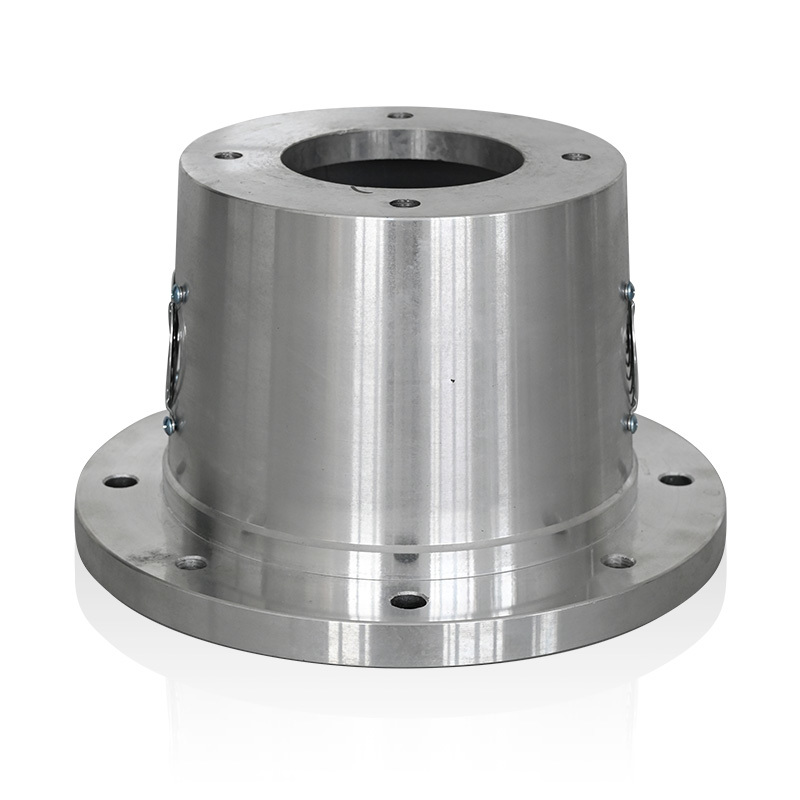
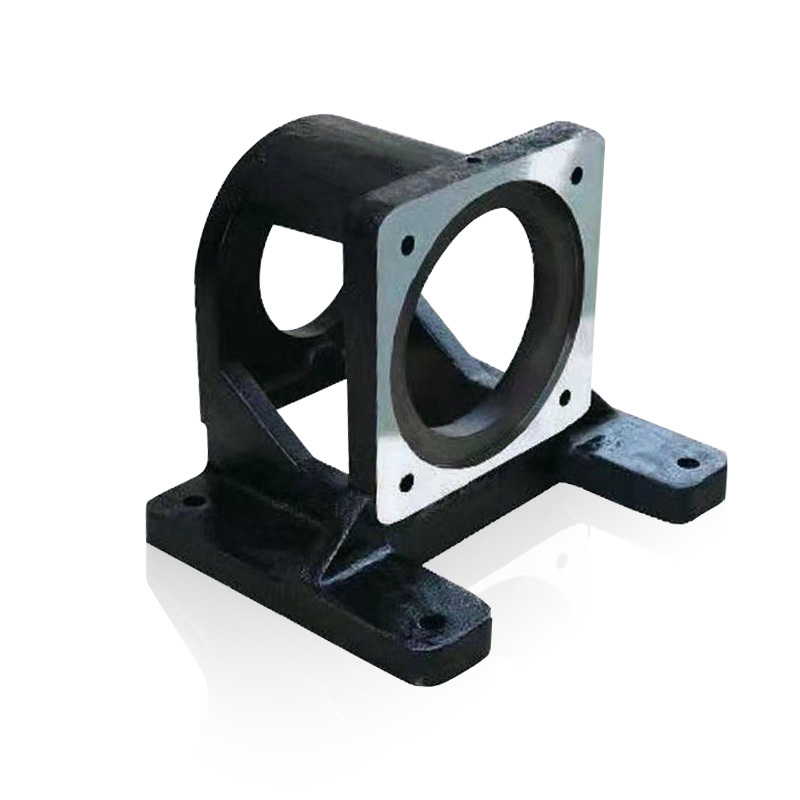
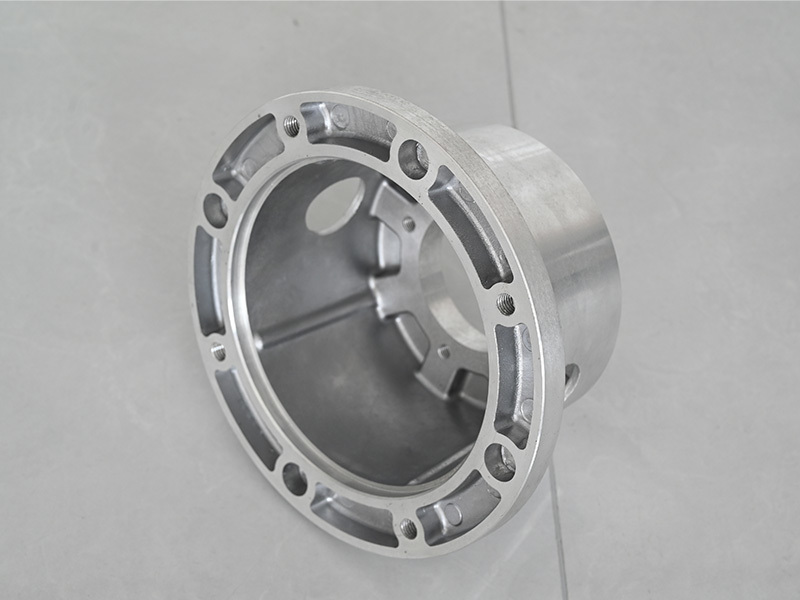
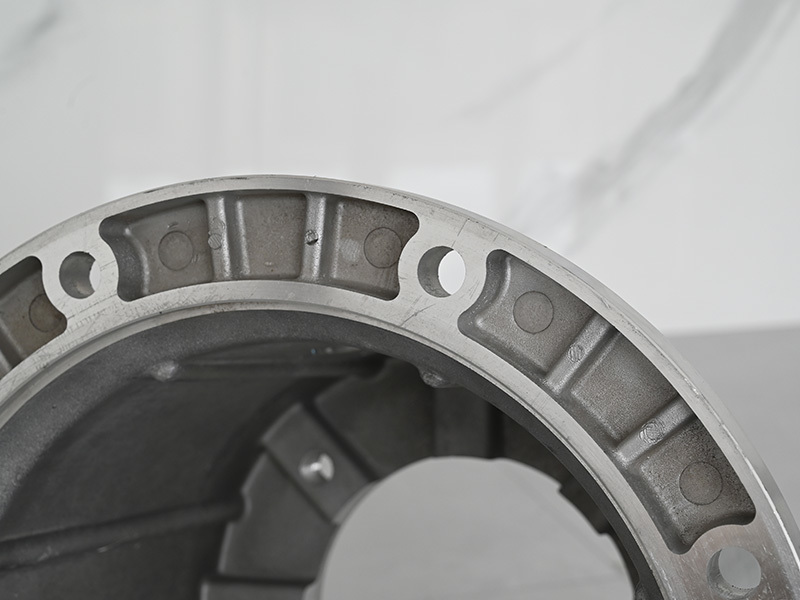
Standard bell housings are the most common type used in hydraulic applications. They are typically made from cast iron or aluminum and designed to fit a variety of hydraulic pump models. These housings provide a good balance of strength and weight, making them suitable for general use in many hydraulic systems.
Modular Bell Housings
Modular bell housings are designed with flexibility in mind. They can be easily modified or adapted to fit different pump types or configurations. This makes them ideal for applications where system requirements may change over time. Modular bell housings often feature interchangeable components, allowing for quick replacements and upgrades.
Custom Bell Housings
For specialized applications, custom bell housings may be the best option. These are designed and manufactured to meet specific requirements, ensuring a perfect fit for unique hydraulic systems. Custom bell housings can be tailored for specific dimensions, materials, and performance characteristics, providing optimal reliability and efficiency.
Fabricated Bell Housings
Fabricated bell housings are made from welded or bolted metal sheets, offering a lightweight and cost-effective solution. These housings can be designed to accommodate various hydraulic pump configurations and are often used in applications where weight savings are crucial. Fabricated bell housings can also be customized to specific needs, allowing for flexibility in design and application.
Materials Used in Hydraulic Pump Bell Housings
The material used in manufacturing hydraulic pump bell housings greatly influences their performance and durability. Here are the most common materials:
Cast Iron
Cast iron is a popular choice for standard bell housings due to its excellent strength and durability. It can withstand high pressures and temperatures, making it suitable for heavy-duty applications. However, cast iron bell housings can be heavy, which may not be ideal for all applications.
Aluminum
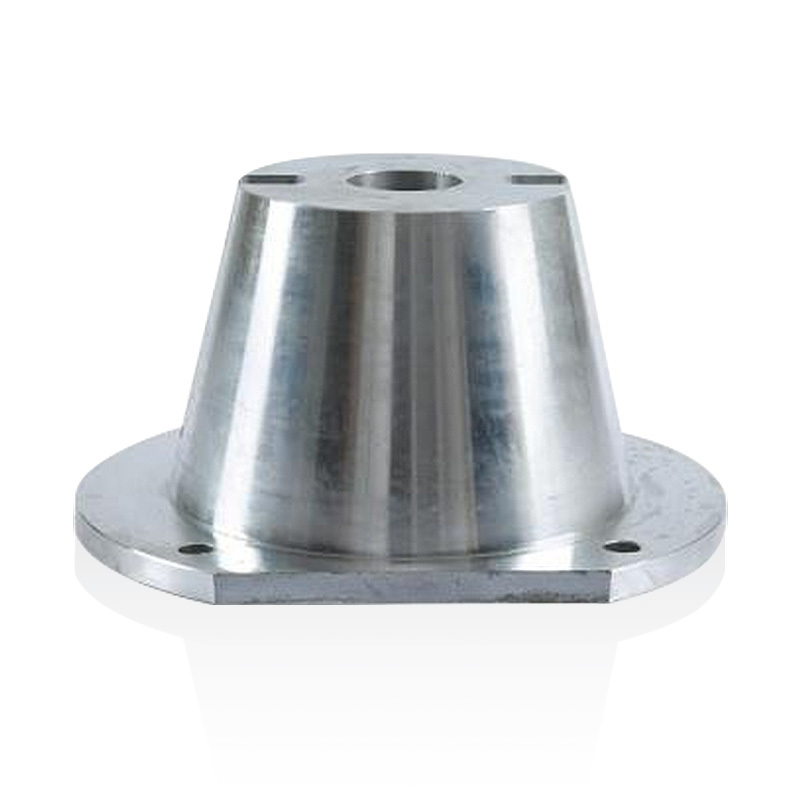
Aluminum bell housings are lightweight and corrosion-resistant, making them ideal for applications where weight savings are a priority. While they are not as strong as cast iron, advancements in manufacturing techniques have led to the development of high-strength aluminum alloys that offer a good balance of weight and performance.
Steel
Steel bell housings provide excellent strength and durability, often used in high-performance applications. They can be treated to resist corrosion, making them suitable for harsh environments. However, their weight can be a disadvantage in some applications.
Factors to Consider When Selecting a Bell Housing
When choosing a hydraulic pump bell housing, several factors should be taken into consideration to ensure optimal performance and compatibility with your system:
1. Compatibility with Pump Type
Ensure that the bell housing is compatible with the specific type and model of hydraulic pump you are using. Mismatched components can lead to mechanical failures and reduced efficiency.
2. Application Requirements
Consider the specific requirements of your application, including pressure, temperature, and environmental factors. Select a bell housing that meets or exceeds these requirements to ensure reliable operation.
3. Weight Considerations
In applications where weight is critical, such as in automotive or aerospace industries, lightweight materials like aluminum may be preferred. However, ensure that the strength and durability are not compromised.
4. Cost
While it may be tempting to choose the lowest-cost option, consider the long-term value and performance of the bell housing. Investing in a quality housing may save you money in repairs and replacements down the line.
5. Maintenance and Serviceability
Choose a bell housing that allows for easy maintenance and serviceability. This can make a significant difference in the longevity of your hydraulic system.
Maintenance Tips for Hydraulic Pump Bell Housings
Regular maintenance of hydraulic pump bell housings is essential for ensuring their longevity and performance. Here are some tips to keep your bell housings in optimal condition:
1. Regular Inspections
Conduct regular inspections of the bell housing for signs of wear, damage, or corrosion. Early detection of issues can prevent costly repairs and system failures.
2. Cleanliness
Keep the bell housing and surrounding areas clean and free from debris. This helps prevent contamination of the hydraulic system and maintains the integrity of the housing.
3. Lubrication Checks
Ensure that any moving parts within the bell housing are properly lubricated. Lack of lubrication can lead to increased friction and wear, ultimately affecting performance.
4. Monitor Operating Conditions
Keep an eye on the operating conditions of your hydraulic system, including pressure and temperature. Deviations from normal ranges can indicate potential issues with the bell housing or other components.
Common Issues and Troubleshooting
Even with proper maintenance, issues may arise with hydraulic pump bell housings. Here are some common problems and their troubleshooting steps:
1. Vibration Issues
If the bell housing is experiencing excessive vibration, check for proper alignment and secure mounting. Loose bolts or misalignment can lead to vibrations that cause wear and tear.
2. Leaking Fluids
Fluid leaks around the bell housing can indicate a damaged seal or improper installation. Inspect seals and gaskets for wear and replace them as necessary.
3. Overheating
Overheating of the hydraulic pump can be a sign of insufficient airflow or excessive load. Check for blockages in airflow and ensure the system is not overloaded.
FAQs on Hydraulic Pump Bell Housings
1. What is the primary function of a hydraulic pump bell housing?
The primary function of a hydraulic pump bell housing is to securely mount the hydraulic pump, ensuring proper alignment and stability while also absorbing vibrations and protecting the pump from environmental factors.
2. How do I know which type of bell housing I need?
The type of bell housing you need depends on the specific hydraulic pump you are using, the application requirements, and factors such as weight, material, and maintenance considerations.
3. Can I use a standard bell housing for custom applications?
While standard bell housings are versatile, custom applications may require a specifically designed housing to ensure optimal fit and performance. Always consult with a manufacturer for tailored solutions.
4. What materials are best for hydraulic pump bell housings?
Common materials include cast iron for strength, aluminum for lightweight applications, and steel for high-performance needs. The best material depends on your specific requirements.
5. What maintenance is required for hydraulic pump bell housings?
Regular inspections, cleanliness, lubrication checks, and monitoring operating conditions are essential maintenance practices to ensure the longevity and performance of hydraulic pump bell housings.
Conclusion
In conclusion, understanding the different types of hydraulic pump bell housings available is crucial for optimizing the performance and reliability of hydraulic systems. By selecting the right bell housing based on compatibility, application requirements, and material considerations, you can significantly enhance the longevity and efficiency of your hydraulic system. Regular maintenance and troubleshooting can prevent common issues, ensuring that your hydraulic pumps operate smoothly and effectively. Make informed decisions, and your hydraulic systems will perform at their best for years to come.
Keywords:
You Can Also Learn More About Industry Trends


Specializing In The Research And Development And Sales Of Hydraulic Products


Contact Us
Phone/Whatsapp
+8613933722213 / +8613933744887
Address
No. 158, Xiaotun Automobile and Motorcycle Industrial Zone, Qinghe County, Hebei Province