


Understanding Jaw Couplings: Essential Insights for Industrial Applications
Release Time:
Mar 20,2026
Jaw couplings are widely recognized as effective components in the realm of industrial equipment, especially in the fields of chain and conveyor systems. These couplings are designed to connect two shafts, enabling the transfer of torque and rotational motion while accommodating misalignment between the shafts. Understanding the characteristics of jaw couplings can significantly benefit your opera
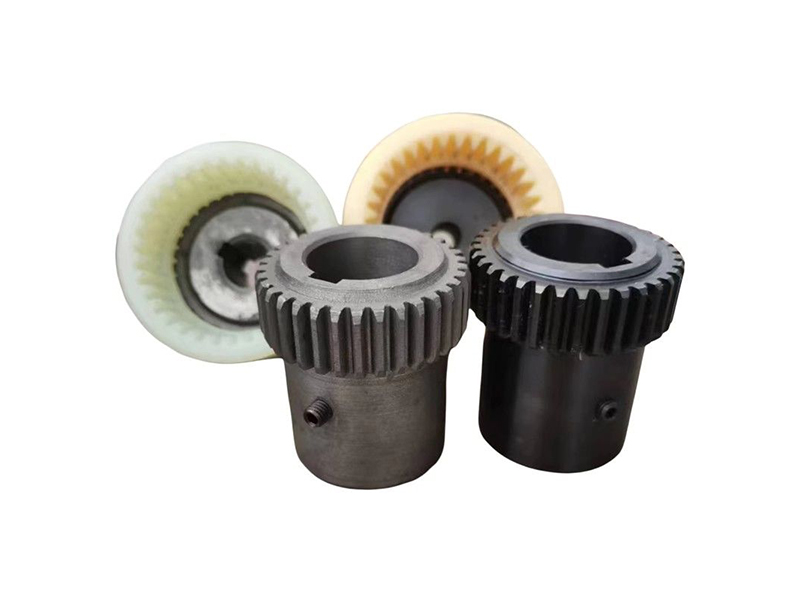
One of the defining features of a jaw coupling is its construction. Typically composed of two hubs and an elastomeric insert, the coupling allows for a flexible connection. The elastomeric material serves as a buffer, absorbing vibrations and shocks that may arise during operation. This quality not only prolongs the lifespan of the connected equipment but also decreases the likelihood of wear and tear, making jaw couplings an appealing choice for various applications.
Jaw couplings are particularly suited for applications involving light to moderate loads and where some degree of misalignment is expected. This makes them ideal for connecting gear motors to conveyor belts, fans, and pumps, where precise alignment is often challenging. By accommodating slight angular, parallel, and axial misalignments, jaw couplings help maintain operational stability, minimizing downtime and maintenance costs.
Furthermore, the ease of installation and maintenance of jaw couplings cannot be overstated. Their straightforward design allows for quick assembly and disassembly, which is a distinct advantage in industrial settings where time is of the essence. Operators can quickly replace the elastomeric insert without needing to realign the entire system, thus ensuring minimal disruption to production schedules.
Another critical aspect of jaw couplings is their ability to handle a wide range of temperatures and environmental conditions. This versatility makes them suitable for various operating environments, from manufacturing plants to food processing facilities. However, it is crucial to select the appropriate elastomer material based on the specific application requirements, such as temperature extremes and exposure to chemicals.
In summary, jaw couplings are essential components in the industrial sector, offering flexibility, ease of maintenance, and enhanced performance for machinery. Their unique ability to accommodate misalignment while providing reliable torque transmission makes them invaluable in a variety of settings. By understanding the benefits and applications of jaw couplings, operators can make informed decisions that lead to improved operational efficiency and reduced equipment failure risks.
Keywords:
You Can Also Learn More About Industry Trends

Specializing In The Research And Development And Sales Of Hydraulic Products


Contact Us
Phone/Whatsapp
+8613933722213 / +8613933744887
Address
No. 158, Xiaotun Automobile and Motorcycle Industrial Zone, Qinghe County, Hebei Province