


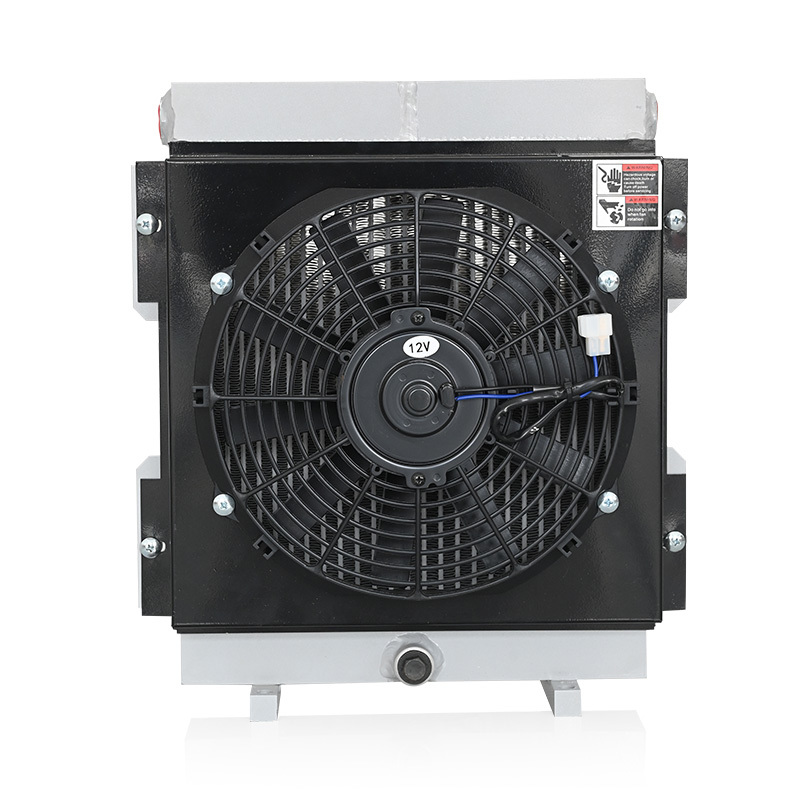

The Essential Role of Hydraulic Oil Coolers in Industrial Applications
Release Time:
Mar 28,2026
Hydraulic oil coolers play a vital role in maintaining the efficiency and reliability of hydraulic systems in industrial settings. These systems rely on hydraulic fluids to transfer power, and as these fluids circulate, they generate heat due to friction and the mechanical work being performed. Without proper temperature regulation, excessive heat can lead to reduced viscosity of the hydraulic oil
The primary function of a hydraulic oil cooler is to dissipate the excess heat from the hydraulic fluid before it returns to the system's reservoir. This is achieved through heat exchange processes, where the hot hydraulic oil is passed through a series of tubes or plates, allowing ambient air or a cooling medium to absorb the heat. The efficiency of this heat exchange process directly affects the performance of the hydraulic system, making the choice of a suitable cooler essential for optimal operation.
In addition to protecting equipment, hydraulic oil coolers contribute to operational cost savings. By maintaining the hydraulic oil at an appropriate temperature, these coolers help to extend the lifespan of the oil itself, reducing the frequency of oil changes and associated disposal costs. Furthermore, keeping hydraulic systems cool can assist in lowering energy consumption, as cooler oils tend to have better flow characteristics, leading to reduced pump loads and lower operational costs.
When selecting a hydraulic oil cooler, several factors should be considered. These include the flow rate of the hydraulic fluid, the temperature differential between the fluid and the cooling medium, and the installation space available. Proper sizing and placement of the cooler are critical to ensure effective heat dissipation. Additionally, the material and design of the cooler can impact durability and maintenance requirements, underscoring the importance of thoughtful selection.
Regular maintenance of hydraulic oil coolers is also crucial for sustained performance. This includes cleaning the cooler surfaces to prevent dirt and debris accumulation, which can hinder heat transfer efficiency. Operators should routinely monitor the system for any signs of leaks or blockages that could impair cooler function.
In summary, hydraulic oil coolers are indispensable in industrial applications, serving to prevent overheating and ensuing damage to hydraulic systems. Their efficient operation not only protects vital equipment but also contributes to cost-effectiveness and sustainability in industrial processes. As such, understanding their role and ensuring proper maintenance can significantly enhance the performance and longevity of hydraulic systems.
Keywords:
You Can Also Learn More About Industry Trends


Specializing In The Research And Development And Sales Of Hydraulic Products


Contact Us
Phone/Whatsapp
+8613933722213 / +8613933744887
Address
No. 158, Xiaotun Automobile and Motorcycle Industrial Zone, Qinghe County, Hebei Province