



The Importance of Proper Installation for Hydraulic Pump Bell Housing: A Comprehensive Guide
Release Time:
Mar 30,2026
The Importance of Proper Installation for Hydraulic Pump Bell Housing Hydraulic systems play a pivotal role in a variety of industries, from automotive to manufacturing. Among the critical components within these systems is the **hydraulic pump bell housing**, which serves as a protective cover that houses the hydraulic pump. Proper installation is vital for the functionality, efficiency, and long
The Importance of Proper Installation for Hydraulic Pump Bell Housing
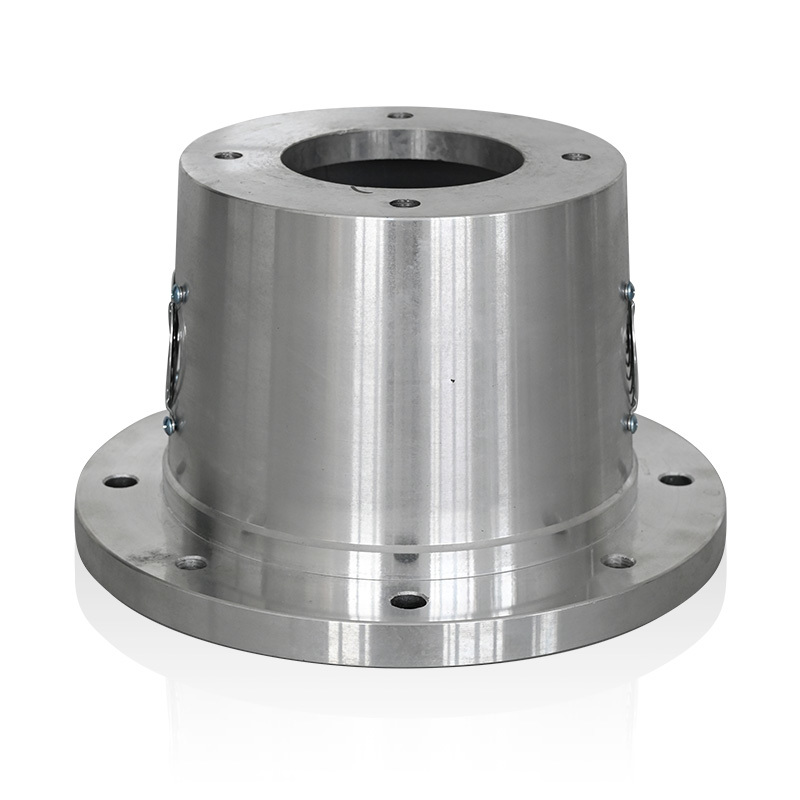
Hydraulic systems play a pivotal role in a variety of industries, from automotive to manufacturing. Among the critical components within these systems is the **hydraulic pump bell housing**, which serves as a protective cover that houses the hydraulic pump. Proper installation is vital for the functionality, efficiency, and longevity of these systems. This article delves into the importance of correct installation practices for hydraulic pump bell housings, providing detailed insights, practical tips, and answers to frequently asked questions.
Table of Contents
1. Understanding Hydraulic Pump Bell Housing
2. The Role of Hydraulic Pump Bell Housing in Systems
3. Factors Affecting Proper Installation
- 3.1 Component Compatibility
- 3.2 Alignment and Leveling
- 3.3 Torque Specifications
4. Step-by-Step Installation Process
5. Common Mistakes to Avoid
6. Troubleshooting Installation Issues
7. The Benefits of Professional Installation
8. Frequently Asked Questions (FAQs)
9. Conclusion
1. Understanding Hydraulic Pump Bell Housing
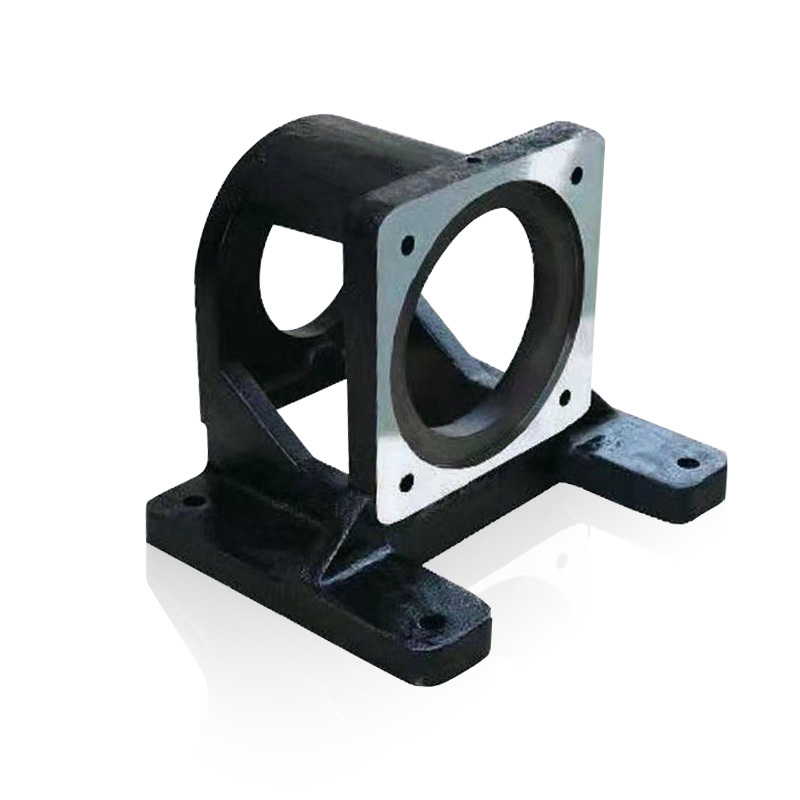
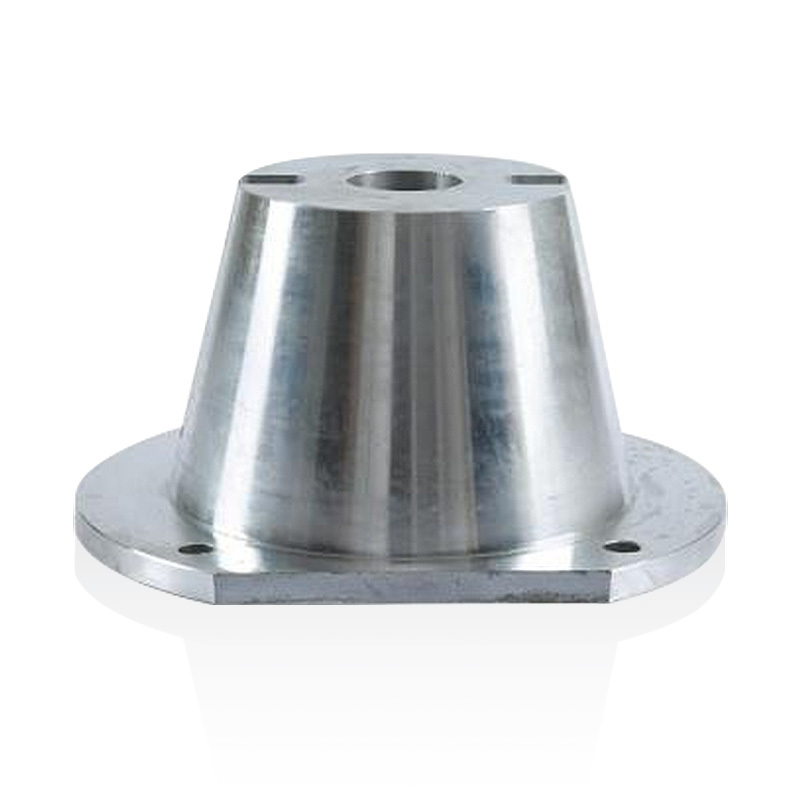
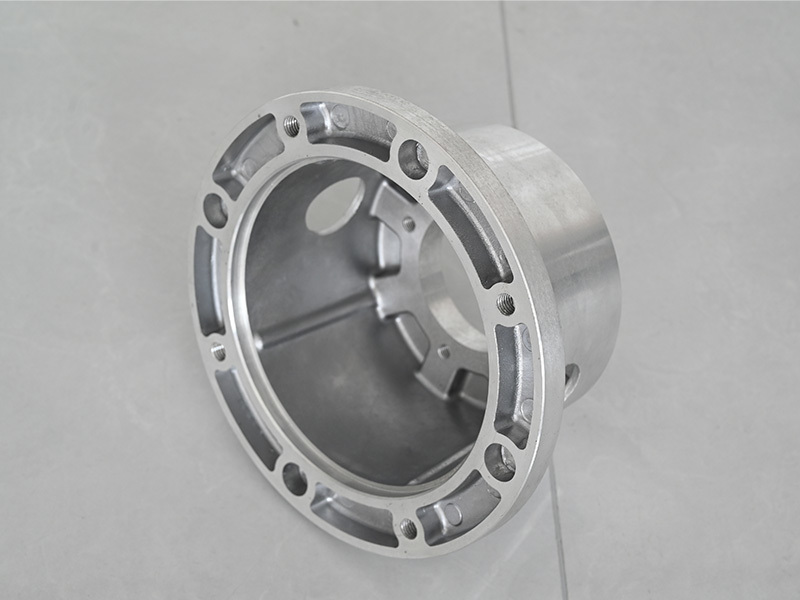
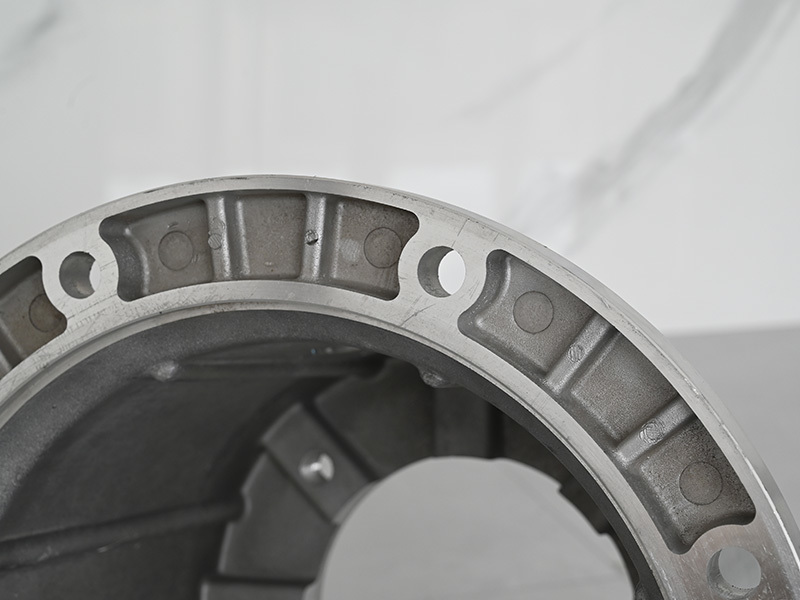
Hydraulic pump bell housing is a specialized housing designed to encase hydraulic pumps, providing structural support while protecting internal components from environmental factors. It typically consists of robust materials capable of withstanding high-pressure environments. Understanding the design and function of hydraulic pump bell housings is crucial for anyone involved in hydraulic system maintenance or installation.
2. The Role of Hydraulic Pump Bell Housing in Systems
The bell housing serves multiple important functions in hydraulic systems:
- **Protection**: It shields the hydraulic pump from dirt, debris, and moisture, which can lead to premature wear or failure.
- **Support**: The bell housing provides structural integrity, ensuring that the pump remains securely positioned during operation.
- **Heat Management**: A properly installed bell housing helps dissipate heat generated by the hydraulic pump, preventing overheating and maintaining optimal performance.
Understanding these roles emphasizes the need for precise installation techniques.
3. Factors Affecting Proper Installation
Correct installation of the hydraulic pump bell housing is influenced by several factors:
3.1 Component Compatibility
Before installation, ensure that all components are compatible. Mismatched parts can lead to poor performance and potential damage. Refer to manufacturer specifications for the hydraulic pump and bell housing to verify compatibility.
3.2 Alignment and Leveling
Alignment is critical for the hydraulic pump to function correctly. Misalignment can cause excessive wear and tear on components. Ensure that the pump is level and aligned with the drive system to prevent undue stress during operation.
3.3 Torque Specifications
Different hydraulic systems have specific torque specifications for mounting bolts. Adhering to these specifications is crucial for securing the bell housing without risking damage to threads or components. Always consult the service manual for the exact torque requirements.
4. Step-by-Step Installation Process
The following step-by-step guide outlines the proper installation process for a hydraulic pump bell housing:
1. **Preparation**: Gather necessary tools and materials such as wrenches, torque wrench, sealant, and a clean working environment.
2. **Clean the Area**: Clean the mounting surface thoroughly to remove any dirt, oil, or debris. A clean surface ensures a proper seal and prevents leaks.
3. **Apply Sealant**: If required, apply an appropriate gasket sealant to the mounting surface of the hydraulic pump. Follow the manufacturer’s instructions for the best results.
4. **Position the Bell Housing**: Carefully position the bell housing over the hydraulic pump, ensuring it is aligned correctly with all mounting holes.
5. **Insert Bolts**: Hand-tighten the bolts into the mounting holes, ensuring they are snug but not overly tight.
6. **Torque the Bolts**: Using a torque wrench, tighten the bolts to the manufacturer's specifications in a crisscross pattern to ensure even pressure distribution.
7. **Final Inspection**: Inspect the installation for any visible gaps or misalignments. Ensure that all components are securely fastened.
5. Common Mistakes to Avoid
When installing a hydraulic pump bell housing, several common mistakes can lead to problems:
- **Neglecting Cleanliness**: Failing to clean the mounting surfaces can result in leaks and reduced efficiency.
- **Improper Torque Application**: Over-tightening or under-tightening bolts can lead to component failure. Always adhere to manufacturer specifications.
- **Ignoring Alignment**: Misalignment can cause excessive wear on hydraulic components, leading to costly repairs. Take the time to ensure everything is aligned correctly.
6. Troubleshooting Installation Issues
Despite careful installation, issues may arise. Here are some common problems and their solutions:
- **Leakage**: If you notice oil leaking from the bell housing, double-check the sealant application and ensure bolts are tightened correctly.
- **Unusual Noises**: Grinding or whining noises may indicate misalignment. Inspect the alignment and adjust as necessary.
- **Overheating**: If the hydraulic system is overheating, check for blockages in the cooling system and ensure the bell housing has proper ventilation.
7. The Benefits of Professional Installation
While DIY installation is possible, many benefits come with professional installation services:
- **Expert Knowledge**: Professionals have extensive training and experience, ensuring that the installation is completed correctly.
- **Warranty Compliance**: Using professional services often ensures that warranties remain valid, protecting your investment.
- **Time Efficiency**: Professionals can complete the installation more quickly, minimizing downtime for the hydraulic system.
8. Frequently Asked Questions (FAQs)
Q1: What materials are hydraulic pump bell housings typically made from?
A: Hydraulic pump bell housings are often made from durable materials like aluminum or cast iron, which can withstand high pressures and temperatures.
Q2: How often should the hydraulic pump bell housing be inspected?
A: It's advisable to inspect the bell housing during regular maintenance checks, typically every 500 hours of operation or as recommended by the manufacturer.
Q3: Can I use any sealant for the bell housing installation?
A: Not all sealants are suitable for hydraulic applications. Use a sealant specifically designed for hydraulic systems to ensure compatibility and effectiveness.
Q4: What are the signs that my hydraulic pump bell housing needs replacement?
A: Signs include visible cracks, severe leakage, or overheating of the hydraulic system, indicating that the bell housing may no longer provide adequate protection.
Q5: Is professional installation worth the cost?
A: Yes, professional installation can save time, reduce the risk of errors, and ensure compliance with manufacturer specifications, ultimately protecting your investment.
9. Conclusion
Proper installation of hydraulic pump bell housing is crucial for the performance and reliability of hydraulic systems. By understanding the role of the bell housing, adhering to installation best practices, and avoiding common mistakes, you can ensure optimal functionality and longevity of your hydraulic systems. Whether opting for a DIY approach or enlisting professional services, prioritizing proper installation is key to maintaining the efficiency and effectiveness of hydraulic operations. Investing time and resources into this process pays dividends in system performance and durability, making it a critical focus for anyone involved in hydraulic system management.
Keywords:
You Can Also Learn More About Industry Trends


Specializing In The Research And Development And Sales Of Hydraulic Products


Contact Us
Phone/Whatsapp
+8613933722213 / +8613933744887
Address
No. 158, Xiaotun Automobile and Motorcycle Industrial Zone, Qinghe County, Hebei Province