



Troubleshooting Common Issues with Servo Motor Brackets in Cars
Release Time:
Apr 07,2026
Troubleshooting Common Issues with Servo Motor Brackets in Cars Table of Contents 1. Understanding Servo Motor Brackets in Automotive Applications 2. The Importance of Servo Motor Brackets in Vehicles 3. Common Issues with Servo Motor Brackets 3.1 Worn-Out Brackets 3.2 Loose Mounting 3.3 Corrosion and Rust 3.4 Alignment Issues 4. Signs of Servo Motor Brac
Troubleshooting Common Issues with Servo Motor Brackets in Cars
Table of Contents
- 1. Understanding Servo Motor Brackets in Automotive Applications
- 2. The Importance of Servo Motor Brackets in Vehicles
- 3. Common Issues with Servo Motor Brackets
- 4. Signs of Servo Motor Bracket Failure
- 5. Troubleshooting Steps for Servo Motor Bracket Issues
- 6. Preventative Maintenance Tips for Servo Motor Brackets
- 7. When to Seek Professional Help
- 8. Conclusion
1. Understanding Servo Motor Brackets in Automotive Applications
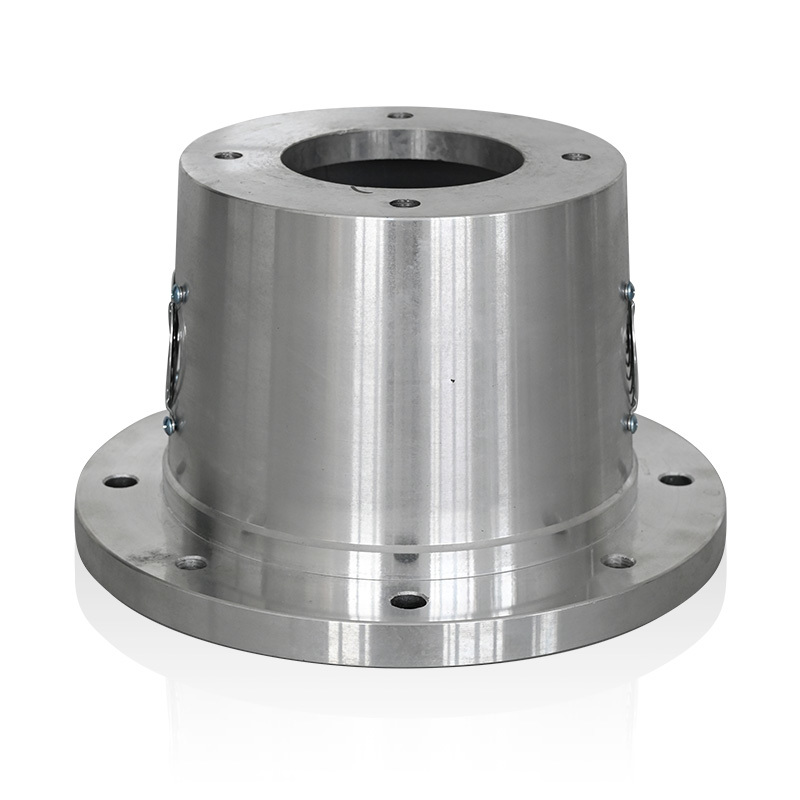
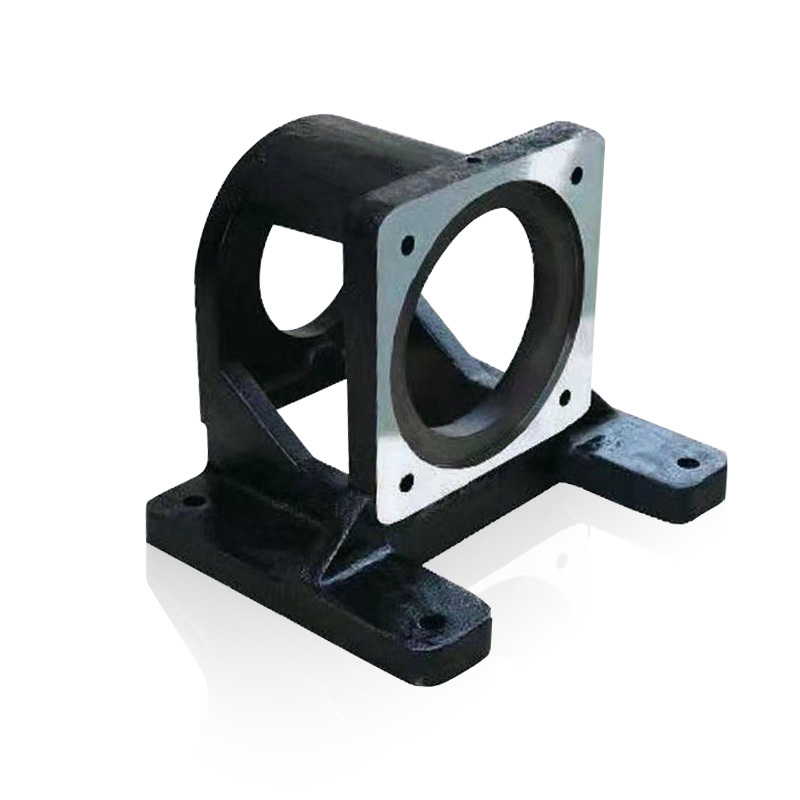
Servo motor brackets play a crucial role in the operation of various automotive systems. These brackets support the positioning of servo motors, which are essential components in many functions, such as steering, throttle control, and brake systems. Essentially, servo motors convert electrical signals into precise mechanical movements, and the brackets ensure they are securely attached and aligned properly.
2. The Importance of Servo Motor Brackets in Vehicles
The importance of servo motor brackets cannot be overstated. They are designed to withstand significant operational stress, including vibrations, temperature fluctuations, and environmental exposure. A well-functioning servo motor bracket contributes to the overall reliability and performance of a vehicle. When these brackets fail, they can lead to a cascade of issues affecting various systems within the car.
3. Common Issues with Servo Motor Brackets
Despite their robust design, servo motor brackets can develop several issues over time. Understanding these problems is essential for effective troubleshooting.
3.1 Worn-Out Brackets
Worn-out brackets are a common issue, especially in older vehicles. Continuous wear and tear can weaken the structural integrity of the bracket, leading to misalignment or complete failure. Regular inspections are key to identifying wear early.
3.2 Loose Mounting
Loose mounting is another prevalent problem. Over time, vibrations and temperature changes can cause bolts and nuts to loosen. This can lead to improper function of the servo motor, affecting vehicle performance. Ensuring proper torque specifications are met during installation is vital.
3.3 Corrosion and Rust
Corrosion and rust can significantly impact the performance of servo motor brackets. Vehicles exposed to moisture, road salt, and other corrosive elements are particularly vulnerable. Regular cleaning and application of rust protection can help mitigate this issue.
3.4 Alignment Issues
Alignment issues can arise from improper installation or wear. Misalignment results in uneven load distribution, which can cause additional stress on the servo motor and brackets. Accurate alignment is critical for optimal performance.
4. Signs of Servo Motor Bracket Failure
Recognizing the signs of servo motor bracket failure is crucial for timely intervention. Look for the following indicators:
- Unusual noises from the servo motor or bracket area.
- Vibration or shaking during operation.
- Warning lights on the dashboard signaling mechanical issues.
- Physical damage or deformation of the bracket.
5. Troubleshooting Steps for Servo Motor Bracket Issues
When experiencing issues with servo motor brackets, follow these troubleshooting steps to identify and resolve the problem effectively.
5.1 Visual Inspection
Begin with a thorough visual inspection of the servo motor and bracket assembly. Look for signs of wear, corrosion, or physical damage. Ensure that all mounting hardware is intact and secure.
5.2 Testing the Servo Motor
Next, test the servo motor itself. Use diagnostic tools to check for error codes or malfunctions. A properly functioning motor is essential for the bracket to perform effectively.
5.3 Checking for Proper Alignment
Check the alignment of the servo motor in relation to the bracket. Use alignment tools to ensure that everything is positioned correctly. Misalignment can lead to premature failure.
6. Preventative Maintenance Tips for Servo Motor Brackets
Prevention is always better than cure. Here are some effective maintenance tips for servo motor brackets:
- **Regular Inspections:** Schedule regular inspections to catch issues early.
- **Cleanliness:** Keep the area around servo motors clean and free from debris.
- **Torque Specifications:** Always adhere to manufacturer torque specifications when installing brackets.
- **Rust Protection:** Apply protective coatings to prevent corrosion.
7. When to Seek Professional Help
While many issues with servo motor brackets can be resolved through DIY troubleshooting, some situations require professional intervention. If the problem persists after attempting to fix it or if you are unsure about the diagnosis, consult a qualified technician. Their expertise will ensure that your vehicle remains safe and reliable.
8. Conclusion
Troubleshooting common issues with servo motor brackets in cars is an essential skill for maintaining optimal vehicle performance. By understanding the role of these components, recognizing signs of failure, and implementing effective troubleshooting steps, we can ensure that our vehicles operate smoothly. Regular preventative maintenance is key to prolonging the life of servo motor brackets and enhancing the overall reliability of our cars. Whether you are a car enthusiast or a casual driver, this knowledge empowers you to take better care of your vehicle.
Keywords:
You Can Also Learn More About Industry Trends


Specializing In The Research And Development And Sales Of Hydraulic Products


Contact Us
Phone/Whatsapp
+8613933722213 / +8613933744887
Address
No. 158, Xiaotun Automobile and Motorcycle Industrial Zone, Qinghe County, Hebei Province