


Essential Insights into Hydraulic Hose Protective Sleeves for Enhanced Durability
Release Time:
Apr 09,2026
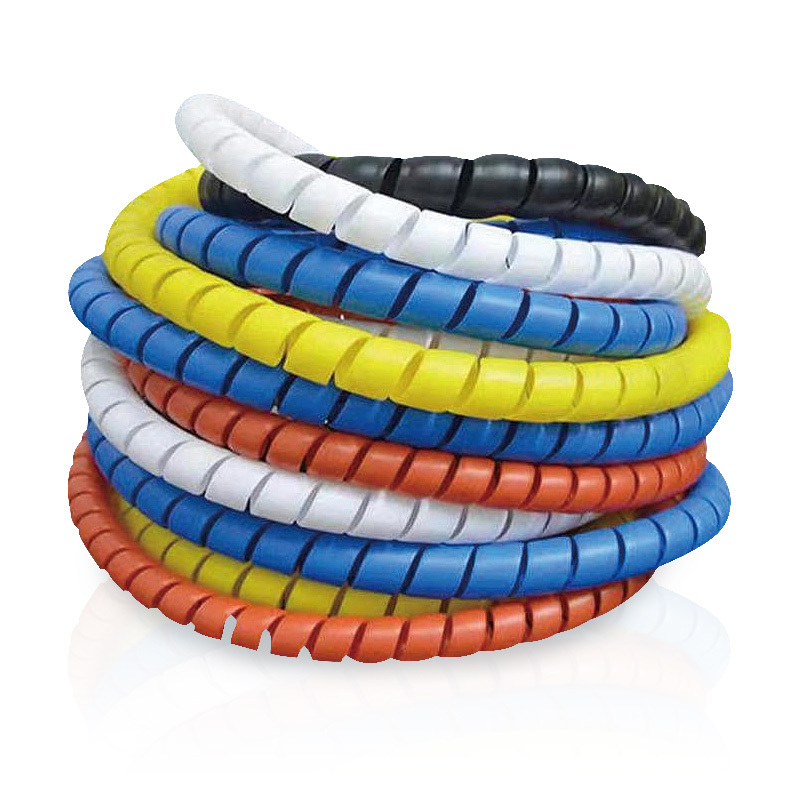
In the realm of pneumatic components, the integrity and performance of hydraulic hoses are paramount. Hydraulic hose protective sleeves serve a crucial function in safeguarding these hoses from various external factors that can lead to damage or premature failure. Understanding their advantages and applications is essential for professionals looking to enhance the longevity and reliability of thei
Hydraulic hoses are often subjected to rigorous conditions, including extreme temperatures, abrasion, and exposure to oils and chemicals. Protective sleeves act as a barrier against these detrimental elements, significantly reducing the risk of wear and tear. By using protective sleeves, you can effectively shield hydraulic hoses from cuts, fraying, and environmental hazards, ensuring optimal performance over time.
There are various materials used in the construction of hydraulic hose protective sleeves, each offering unique benefits. Common options include nylon, polyester, and high-temperature resistant materials. Nylon sleeves, for instance, are lightweight yet robust, providing excellent protection against abrasion. On the other hand, polyester sleeves offer superior resistance to moisture and chemicals, making them ideal for applications in harsh environments. Selecting the right material based on your specific operational conditions is critical for maximizing the protective capabilities of these sleeves.
Another important aspect to consider is the sizing and fit of the protective sleeves. They must be appropriately sized to ensure complete coverage without restricting the flexibility of the hydraulic hoses. Proper installation is also vital; sleeves should be fitted securely to prevent slipping and ensure they remain in place during operation. Additionally, many sleeves come with features such as Velcro or zippered closures for easy application and removal.
In terms of application, hydraulic hose protective sleeves are widely used in various industries, including agriculture, construction, and manufacturing. They are particularly valuable in environments where hoses are at risk of being damaged by moving machinery or abrasive surfaces. By investing in quality protective sleeves, companies can reduce downtime caused by hose failures and enhance the overall efficiency of their operations.
In conclusion, integrating hydraulic hose protective sleeves into your pneumatic systems is a practical and effective strategy to enhance hose durability and performance. By selecting the appropriate materials, ensuring proper sizing, and considering the specific needs of your industry, you can significantly extend the lifespan of your equipment. Understanding these key aspects will empower you to make informed decisions that contribute to the reliability and efficiency of your pneumatic components.
Keywords:
You Can Also Learn More About Industry Trends


Specializing In The Research And Development And Sales Of Hydraulic Products


Contact Us
Phone/Whatsapp
+8613933722213 / +8613933744887
Address
No. 158, Xiaotun Automobile and Motorcycle Industrial Zone, Qinghe County, Hebei Province