


Mobile Hydraulic Oil Coolers vs. Traditional Coolers: Which is Better?
Release Time:
Apr 11,2026
Mobile Hydraulic Oil Coolers vs. Traditional Coolers: Which is Better? Table of Contents 1. Introduction to Cooling Systems 2. Understanding Hydraulic Cooling Systems 3. What Are Mobile Hydraulic Oil Coolers? 4. Advantages of Mobile Hydraulic Oil Coolers 5. Disadvantages of Mobile Hydraulic Oil Coolers 6. What Are Traditional Coolers? 7. Advantages of Traditional Coo
Mobile Hydraulic Oil Coolers vs. Traditional Coolers: Which is Better?
Table of Contents
- 1. Introduction to Cooling Systems
- 2. Understanding Hydraulic Cooling Systems
- 3. What Are Mobile Hydraulic Oil Coolers?
- 4. Advantages of Mobile Hydraulic Oil Coolers
- 5. Disadvantages of Mobile Hydraulic Oil Coolers
- 6. What Are Traditional Coolers?
- 7. Advantages of Traditional Coolers
- 8. Disadvantages of Traditional Coolers
- 9. Comparative Analysis: Mobile vs. Traditional Coolers
- 10. Conclusion
- 11. Frequently Asked Questions (FAQs)
1. Introduction to Cooling Systems
In industrial settings, maintaining optimal temperature levels in machinery is crucial for performance, longevity, and safety. Cooling systems play a vital role in regulating heat, especially in hydraulic systems where overheating can lead to severe operational issues. Understanding the nuances between different cooling technologies can aid in selecting the best system for your specific needs. This article delves into **mobile hydraulic oil coolers** and **traditional coolers**, analyzing their respective advantages and disadvantages.
2. Understanding Hydraulic Cooling Systems
Hydraulic cooling systems are essential for dissipating heat generated by hydraulic fluids during operation. The choice of cooler type can significantly affect not only the performance of hydraulic systems but also the overall efficiency of industrial processes.
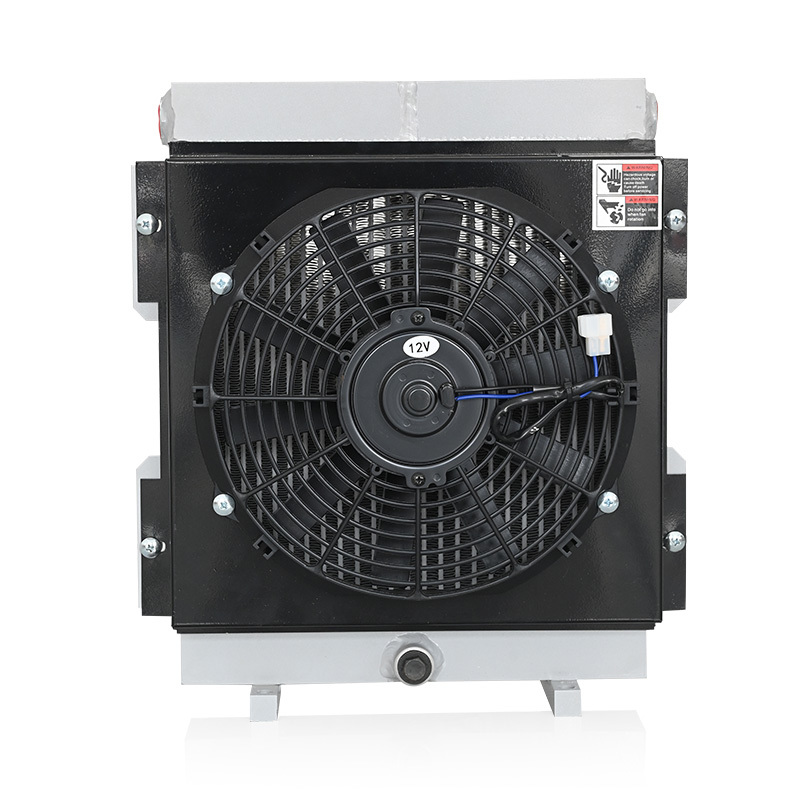
Mobile hydraulic oil coolers are designed for flexibility, often being mounted on vehicles or machinery, allowing for operation in varied environments. Traditional coolers, on the other hand, are typically stationary installations, providing a more fixed approach to cooling hydraulic systems.
3. What Are Mobile Hydraulic Oil Coolers?
Mobile hydraulic oil coolers are advanced cooling solutions designed to be portable and versatile. Their design allows for quick deployment and adaptability to different situations. These coolers use hydraulic oil to dissipate heat and are often equipped with fans to enhance airflow. Key features include:
- **Portability**: Easily moved from one location to another.
- **Efficiency**: Optimized design for effective heat dissipation.
- **Flexibility**: Suitable for various applications, including construction sites and remote locations.
4. Advantages of Mobile Hydraulic Oil Coolers
Mobile hydraulic oil coolers offer numerous benefits that can enhance operational efficiency:
4.1 Enhanced Portability
Their lightweight and compact design allows for easy transport. This feature is particularly beneficial in industries where equipment needs to be relocated frequently.
4.2 Greater Flexibility in Usage
Mobile coolers can be utilized in various applications, ranging from construction to agriculture, adapting to ever-changing operational requirements.
4.3 Improved Cooling Efficiency
With advanced technology, these coolers ensure that hydraulic systems maintain optimal temperatures, reducing the risk of overheating.
4.4 Cost-Effectiveness
By preventing overheating and associated damages, mobile hydraulic oil coolers can lower maintenance costs, leading to long-term savings.
5. Disadvantages of Mobile Hydraulic Oil Coolers
Despite their advantages, mobile hydraulic oil coolers also have some drawbacks:
5.1 Higher Initial Investment
The upfront cost of mobile coolers can be higher compared to traditional systems, which may be a concern for budget-constrained projects.
5.2 Limited Cooling Capacity
While mobile coolers are efficient, they may not have the same cooling capacity as larger traditional systems, making them less suitable for high-demand applications.
6. What Are Traditional Coolers?
Traditional coolers are stationary systems designed for long-term installation in industrial settings. These systems typically consist of heat exchangers that dissipate heat through air or water. Important characteristics include:
- **Stationary Design**: Fixed installations providing consistent cooling.
- **High Capacity**: Generally capable of handling larger volumes of hydraulic fluid.
- **Durability**: Built to withstand long-term operational stress.
7. Advantages of Traditional Coolers
Traditional coolers present several benefits that can make them the preferred choice for specific applications:
7.1 High Cooling Efficiency
These coolers often provide superior cooling power, making them ideal for high-volume hydraulic applications.
7.2 Reliability
Stationary systems tend to be more reliable over time, as they are less prone to wear and tear compared to mobile units.
7.3 Lower Long-Term Costs
While initial installation costs can be high, traditional coolers can offer lower maintenance costs over time, leading to better value.
8. Disadvantages of Traditional Coolers
However, traditional coolers are not without their challenges:
8.1 Lack of Flexibility
Fixed installations are not suitable for projects requiring frequent relocation or adaptability to different site conditions.
8.2 Space Requirements
Traditional coolers often require dedicated space, which can be a limitation in smaller operations or facilities.
9. Comparative Analysis: Mobile vs. Traditional Coolers
When deciding between mobile hydraulic oil coolers and traditional coolers, it’s essential to conduct a comparative analysis based on specific operational needs:
9.1 Application Context
Mobile coolers excel in applications requiring portability, while traditional coolers are better suited for permanent settings with high cooling demands.
9.2 Efficiency and Performance
Both cooler types deliver efficient cooling, but the application and environmental conditions play a significant role in determining which system will perform better in a given scenario.
9.3 Cost Considerations
Initial costs, maintenance, and operational efficiency should all be considered when evaluating the cost-effectiveness of each cooling option.
10. Conclusion
In the debate between **mobile hydraulic oil coolers** and **traditional coolers**, there is no one-size-fits-all answer. Each option presents unique advantages and disadvantages that cater to different industrial needs. Mobile coolers offer flexibility and efficiency for dynamic environments, while traditional coolers provide reliability and high performance for stationary applications. Ultimately, the best choice will depend on specific operational requirements, budget constraints, and long-term goals. Evaluating these factors carefully will lead to a well-informed decision that maximizes machine performance and operational efficiency.
11. Frequently Asked Questions (FAQs)
1. What is the main advantage of mobile hydraulic oil coolers?
Mobile hydraulic oil coolers are portable and flexible, making them ideal for various applications, especially in environments where equipment needs to be frequently relocated.
2. Are traditional coolers more cost-effective in the long run?
While traditional coolers may have higher initial costs, they often offer lower maintenance costs over time, making them a cost-effective solution for stable, long-term operations.
3. How do I determine the right cooler type for my application?
Consider factors such as the required cooling capacity, the frequency of relocation, and the specific operational environment to determine the most suitable cooler type.
4. Can mobile hydraulic oil coolers handle high-demand applications?
Mobile coolers are efficient, but they may not have the cooling capacity required for extremely high-demand applications compared to traditional cooler systems.
5. What maintenance is required for hydraulic coolers?
Regular maintenance for both types of coolers includes checking fluid levels, cleaning filters, and inspecting for leaks to ensure optimal performance and longevity.
Keywords:
You Can Also Learn More About Industry Trends


Specializing In The Research And Development And Sales Of Hydraulic Products


Contact Us
Phone/Whatsapp
+8613933722213 / +8613933744887
Address
No. 158, Xiaotun Automobile and Motorcycle Industrial Zone, Qinghe County, Hebei Province