


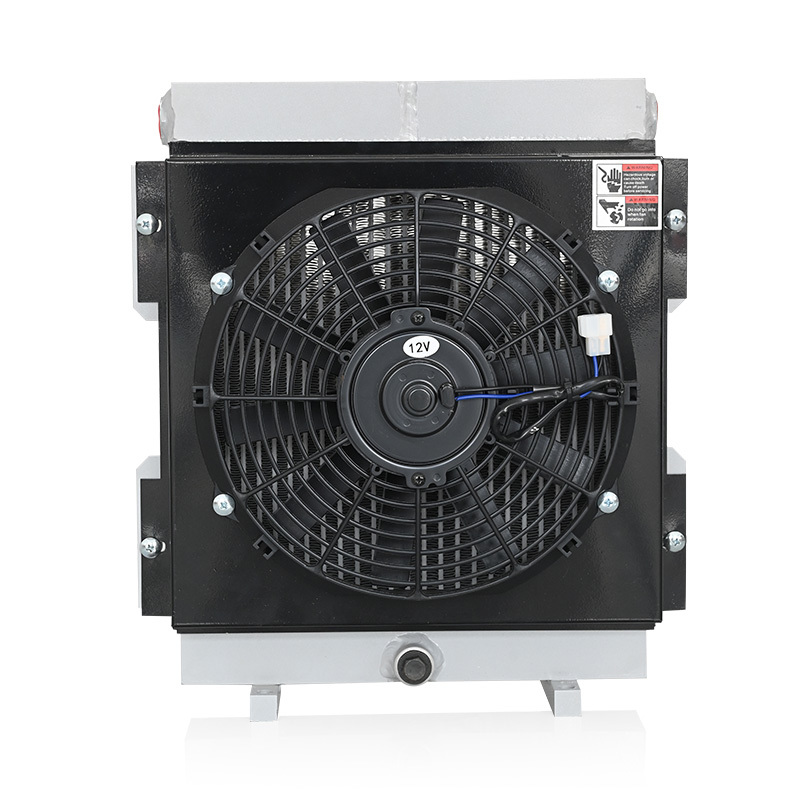

Essential Insights into Hydraulic Oil Coolers: Enhancing Efficiency in Industrial Equipment
Release Time:
Apr 21,2026
Hydraulic oil coolers play a pivotal role in industrial applications by regulating the temperature of hydraulic fluids used in various machines and equipment. These coolers are essential components in hydraulic systems, where maintaining optimal temperatures is crucial for efficient operation and the longevity of machinery. When hydraulic fluid overheats, it can lead to reduced efficiency, increas
The primary function of a hydraulic oil cooler is to dissipate heat generated during the operation of hydraulic systems. The cooler typically uses a heat exchanger setup, which involves two fluids: the hydraulic oil that needs cooling and a secondary fluid, often water or air, that absorbs the heat. This heat exchange process is crucial. By transferring excess heat away from the hydraulic oil, the cooler helps maintain a consistent operating temperature, which is essential for optimal performance.
In addition to preventing overheating, hydraulic oil coolers also help in maintaining the viscosity of hydraulic fluids. When fluid temperatures rise, the viscosity decreases, which can lead to inefficient operation and increased friction within the hydraulic system. Keeping the hydraulic oil at a stable temperature ensures that the fluid retains its optimal viscosity, thus facilitating smoother operation and reducing wear on components.
Moreover, hydraulic oil coolers contribute to energy efficiency in industrial operations. By preventing overheating, they reduce the energy needed to operate hydraulic systems, which can lead to significant cost savings over time. This is particularly important in industries where machinery runs continuously, as even minor efficiency improvements can translate into substantial financial benefits.
To ensure that hydraulic oil coolers function effectively, regular maintenance is essential. This includes routine inspections to check for blockages, leaks, and any signs of wear. Cleaning the cooler's surfaces and ensuring proper airflow can also enhance its efficiency. Additionally, monitoring the temperature of the hydraulic oil and maintaining it within the recommended range can help in identifying any potential issues before they escalate.
In conclusion, hydraulic oil coolers are a vital component in the realm of industrial equipment and components. Their ability to maintain optimal temperatures in hydraulic systems not only enhances operational efficiency but also prolongs the life of machinery. Understanding their function and implementing proper maintenance practices can lead to improved performance and cost-effectiveness in any industrial setting. By prioritizing the care of hydraulic oil coolers, professionals can ensure that their equipment continues to operate at peak efficiency and reliability.
Keywords:
You Can Also Learn More About Industry Trends


Specializing In The Research And Development And Sales Of Hydraulic Products


Contact Us
Phone/Whatsapp
+8613933722213 / +8613933744887
Address
No. 158, Xiaotun Automobile and Motorcycle Industrial Zone, Qinghe County, Hebei Province