


Hydraulic Pump Bell Housing: Frequently Asked Questions Answered
Release Time:
Apr 23,2026
Hydraulic Pump Bell Housing: Frequently Asked Questions Answered Table of Contents 1. Introduction to Hydraulic Pump Bell Housing 2. What is a Hydraulic Pump Bell Housing? 3. What is the Function of a Hydraulic Pump Bell Housing? 4. Types of Hydraulic Pump Bell Housings 5. What Materials are Used in Hydraulic Pump Bell Housings? 6. How to Install a Hydraulic Pump Bell Hous
Hydraulic Pump Bell Housing: Frequently Asked Questions Answered
Table of Contents
- 1. Introduction to Hydraulic Pump Bell Housing
- 2. What is a Hydraulic Pump Bell Housing?
- 3. What is the Function of a Hydraulic Pump Bell Housing?
- 4. Types of Hydraulic Pump Bell Housings
- 5. What Materials are Used in Hydraulic Pump Bell Housings?
- 6. How to Install a Hydraulic Pump Bell Housing?
- 7. Common Issues with Hydraulic Pump Bell Housings
- 8. Troubleshooting Hydraulic Pump Bell Housing Problems
- 9. Frequently Asked Questions
- 10. Conclusion
1. Introduction to Hydraulic Pump Bell Housing
Hydraulic systems are integral to numerous automotive applications, including the functioning of hydraulic pumps. At the heart of these pumps lies the hydraulic pump bell housing. This article aims to delve deep into the world of hydraulic pump bell housings, addressing common queries and providing essential information for mechanics and automotive enthusiasts alike.
2. What is a Hydraulic Pump Bell Housing?
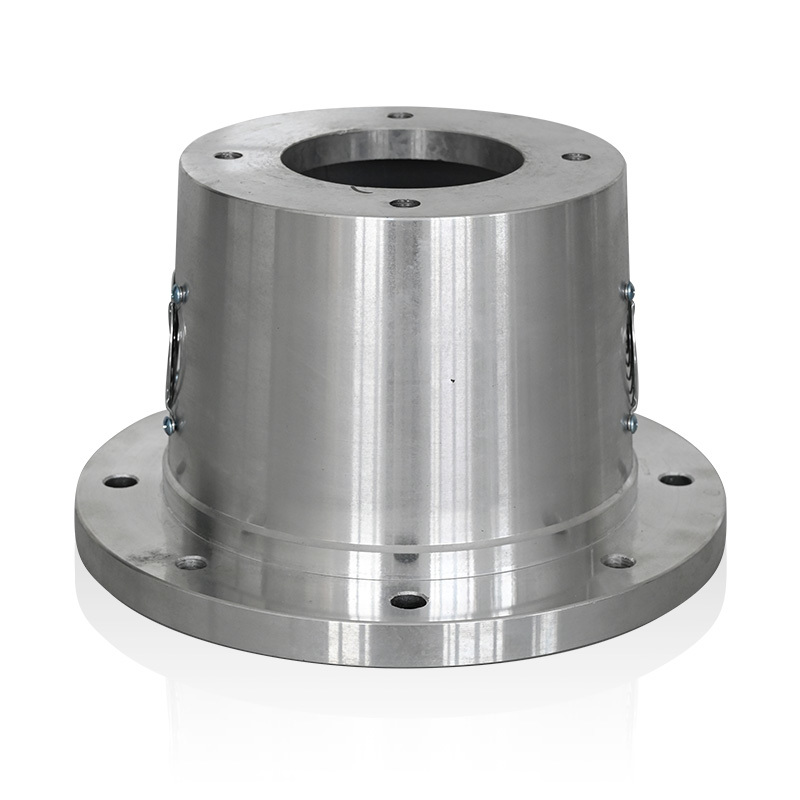
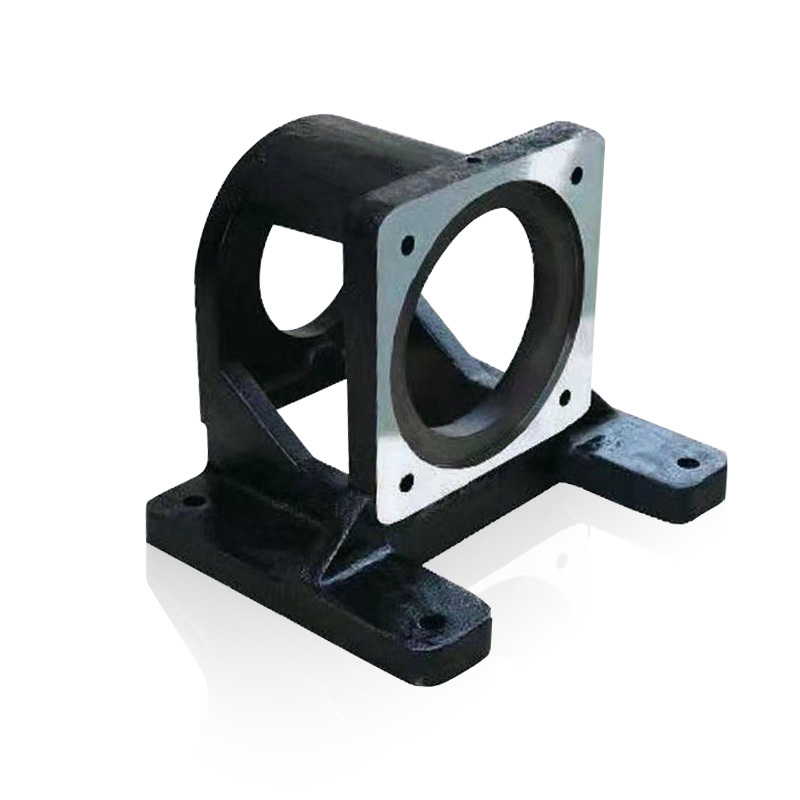
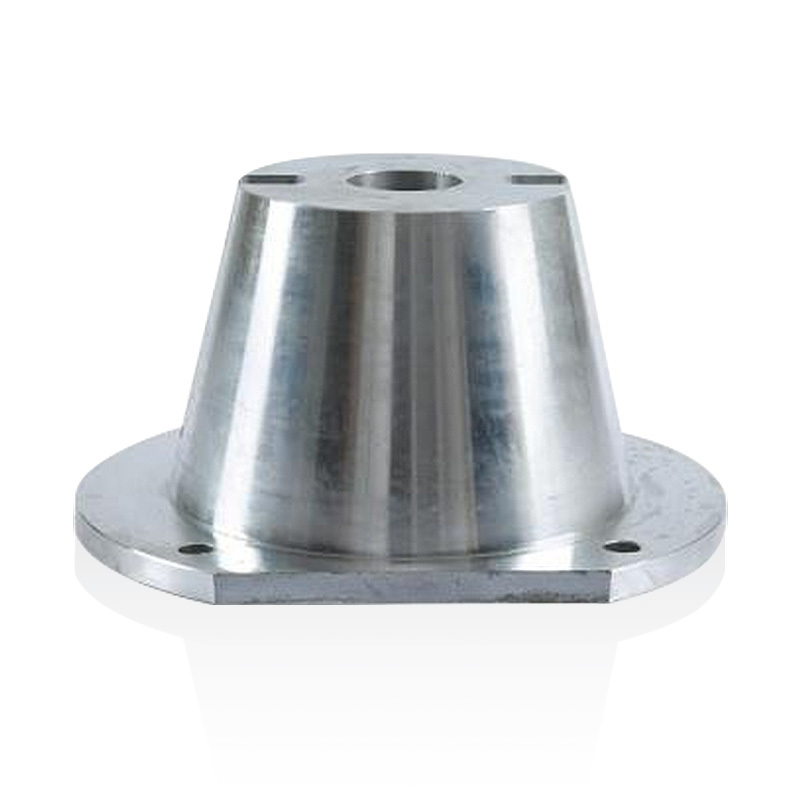
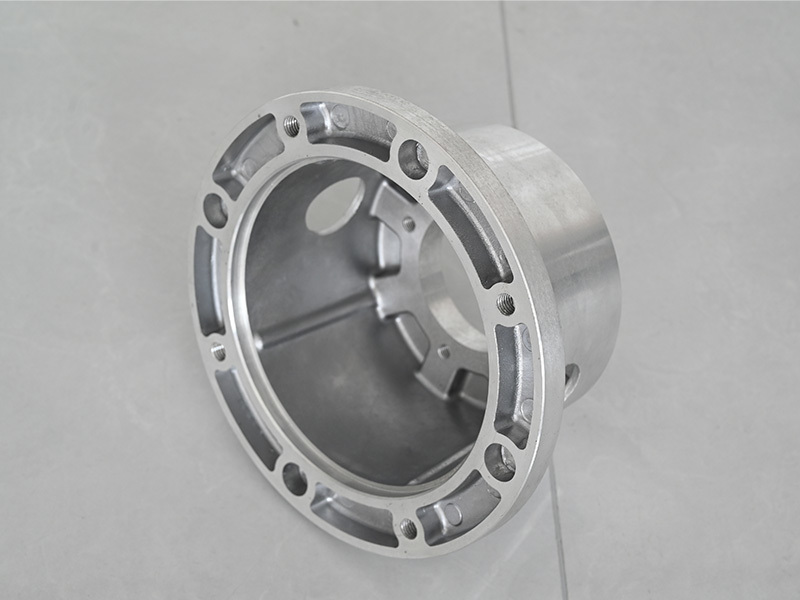
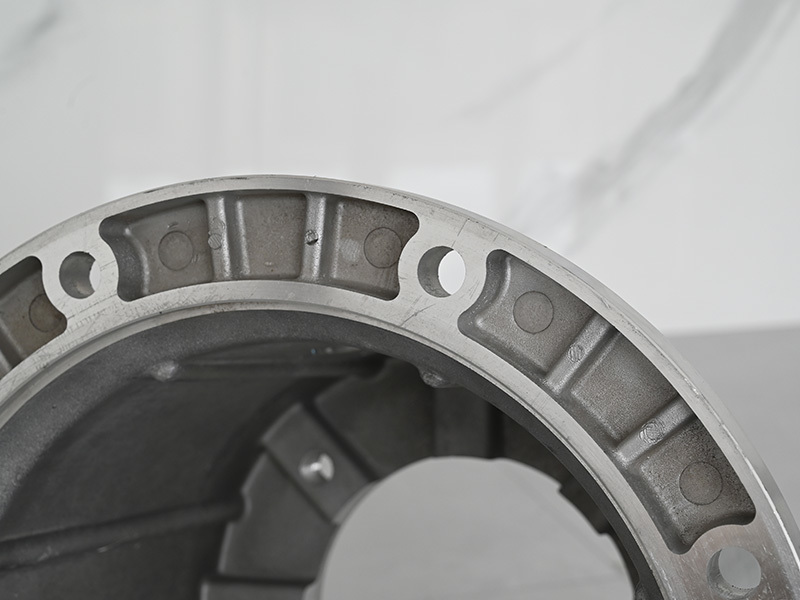
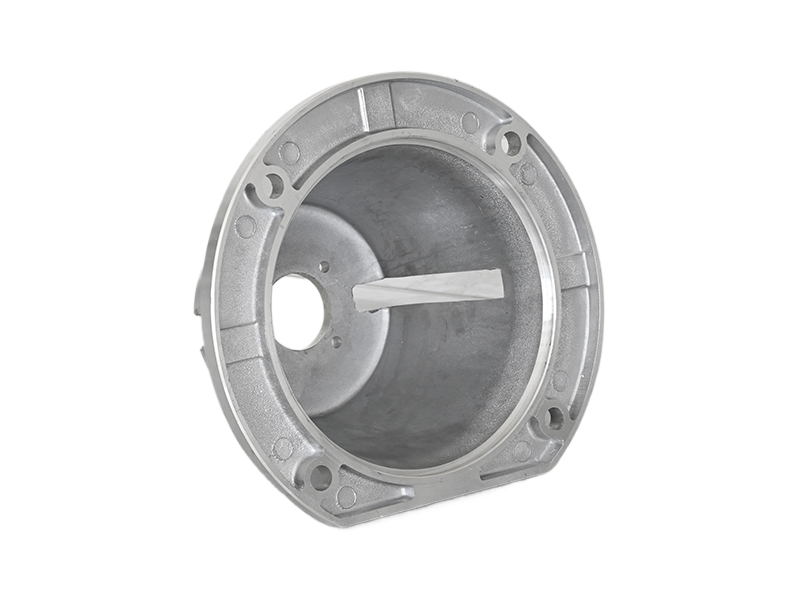
A hydraulic pump bell housing is a critical component designed to house the hydraulic pump and connect it to the engine. This component serves as the protective casing around the pump, ensuring it operates efficiently within the engine system. Its design varies based on the specifications of the hydraulic pump and the vehicle model, but all bell housings share a common purpose: to provide a secure environment for the pump to function optimally.
2.1 Design Features of Bell Housings
The hydraulic pump bell housing typically features a robust structure capable of withstanding high pressures and vibrations. It often includes:
- **Mounting Points:** For secure attachment to the engine.
- **Sealing Surfaces:** To prevent fluid leaks.
- **Cooling Fins:** To dissipate heat generated during operation.
3. What is the Function of a Hydraulic Pump Bell Housing?
The primary function of a hydraulic pump bell housing is to safeguard the hydraulic pump while facilitating its operation. Here are several key functions that highlight its importance:
3.1 Structural Integrity
The bell housing provides structural support for the hydraulic pump, ensuring that it remains aligned with the engine and other components.
3.2 Protection from Contaminants
By covering the hydraulic pump, the bell housing protects it from dirt, debris, and other contaminants that could impair its function.
3.3 Noise Reduction
The bell housing serves as a noise barrier, reducing the operational sounds generated by the hydraulic pump, thus contributing to a quieter overall vehicle experience.
4. Types of Hydraulic Pump Bell Housings
There are various types of hydraulic pump bell housings, each designed for specific applications and requirements. The most common types include:
4.1 Standard Bell Housings
These are the most widely used bell housings and are designed for general applications. They typically accommodate standard hydraulic pumps.
4.2 Custom Bell Housings
Custom bell housings are engineered for specific vehicle models or unique hydraulic pump configurations. They provide a perfect fit and optimal performance.
4.3 Lightweight Bell Housings
Constructed from advanced materials, lightweight bell housings are designed for high-performance applications, contributing to overall vehicle weight reduction.
5. What Materials are Used in Hydraulic Pump Bell Housings?
The materials used for hydraulic pump bell housings play a crucial role in their durability and performance. Commonly utilized materials include:
5.1 Aluminum
Lightweight and resistant to corrosion, aluminum is a popular choice for bell housings. Its strength-to-weight ratio makes it ideal for performance applications.
5.2 Steel
Steel provides excellent strength and durability, making it suitable for heavy-duty applications. However, it is heavier than aluminum and may be less desirable in performance scenarios.
5.3 Composite Materials
Some modern bell housings utilize composite materials designed to offer a balance between weight and strength, catering to specialized applications in advanced automotive designs.
6. How to Install a Hydraulic Pump Bell Housing?
Installing a hydraulic pump bell housing is a critical task that requires precision and care. Follow these steps for a successful installation:
6.1 Gather Necessary Tools and Materials
Before starting the installation, ensure you have the right tools (e.g., wrenches, torque wrench, sealant) and materials (e.g., gaskets, screws) ready.
6.2 Prepare the Area
Clean the mounting surface on both the engine and the bell housing to remove any old sealant or debris that could affect the seal.
6.3 Align the Bell Housing
Position the bell housing over the hydraulic pump and align it with the mounting points. Ensure that all holes are properly aligned.
6.4 Secure the Bell Housing
Using the appropriate fasteners, secure the bell housing to the engine. Follow the manufacturer’s torque specifications to ensure a tight and leak-free fit.
6.5 Check for Proper Installation
After installation, double-check all connections and ensure that the bell housing is securely attached without any visible gaps.
7. Common Issues with Hydraulic Pump Bell Housings
Despite their robust design, hydraulic pump bell housings can experience several common issues that may affect performance. Awareness of these problems is vital for timely resolution.
7.1 Fluid Leaks
Fluid leaks are the most frequent issue associated with hydraulic pump bell housings. They can result from damaged seals, improperly aligned components, or worn out gaskets.
7.2 Overheating
Overheating can occur if the bell housing does not provide adequate cooling for the hydraulic pump. This can lead to pump failure if not addressed promptly.
7.3 Misalignment
Improper installation or wear and tear can cause misalignment between the hydraulic pump and the engine, leading to inefficiencies and potential damage.
8. Troubleshooting Hydraulic Pump Bell Housing Problems
When experiencing issues with a hydraulic pump bell housing, follow these troubleshooting steps to identify and resolve the problem effectively.
8.1 Inspect for Leaks
Check the bell housing and surrounding areas for signs of fluid leaks. If detected, trace the source to determine if it’s a worn seal or gasket.
8.2 Monitor Temperature
Keep an eye on the operating temperature of the hydraulic pump. If it exceeds normal levels, inspect the cooling system and ensure it is functioning correctly.
8.3 Assess Alignment
Verify the alignment of the hydraulic pump with the bell housing. Misalignment may require adjustments to ensure proper operation.
8.4 Consult Manufacturer Guidelines
When in doubt, refer to the manufacturer’s guidelines for specific troubleshooting steps tailored to your hydraulic pump and bell housing model.
9. Frequently Asked Questions
9.1 What is the life expectancy of a hydraulic pump bell housing?
The life expectancy of a hydraulic pump bell housing can vary based on material, usage, and maintenance. However, with proper care, they can last several years.
9.2 How often should I check my hydraulic pump bell housing?
It is advisable to inspect the bell housing during regular vehicle maintenance checks, especially if you notice any performance issues.
9.3 Can I replace a hydraulic pump bell housing myself?
Yes, with the right tools and knowledge, you can replace a hydraulic pump bell housing. However, if you're unsure, it is recommended to consult a professional mechanic.
9.4 What are the signs of a failing hydraulic pump bell housing?
Signs of a failing hydraulic pump bell housing include fluid leaks, unusual noises during operation, and overheating of the hydraulic pump.
9.5 Where can I find replacement hydraulic pump bell housings?
Replacement hydraulic pump bell housings can typically be sourced from automotive parts suppliers, specialized shops, or directly from manufacturers.
10. Conclusion
Understanding hydraulic pump bell housings is essential for anyone involved in automotive maintenance or repair. With their critical role in ensuring the efficient operation of hydraulic systems, recognizing their function, types, and common issues can greatly enhance your ability to maintain vehicle performance. By following the guidelines and information provided in this article, you can ensure the optimal functioning of your hydraulic systems and contribute to the longevity of your vehicle. Whether you're tackling installation or troubleshooting, a well-informed approach will lead to successful outcomes.
Keywords:
You Can Also Learn More About Industry Trends


Specializing In The Research And Development And Sales Of Hydraulic Products


Contact Us
Phone/Whatsapp
+8613933722213 / +8613933744887
Address
No. 158, Xiaotun Automobile and Motorcycle Industrial Zone, Qinghe County, Hebei Province